7 killed as avalanche hits Srinagar-Leh National Highway
The sad news about the avalanche on the Srinagar-Leh National Highway is about a natural disaster that happened on March 27 2026 in the high mountains of the Himalayas near Zoji La Pass. Here is a simple explanation of what happened why it happened and how it affected people.
1. What Happened
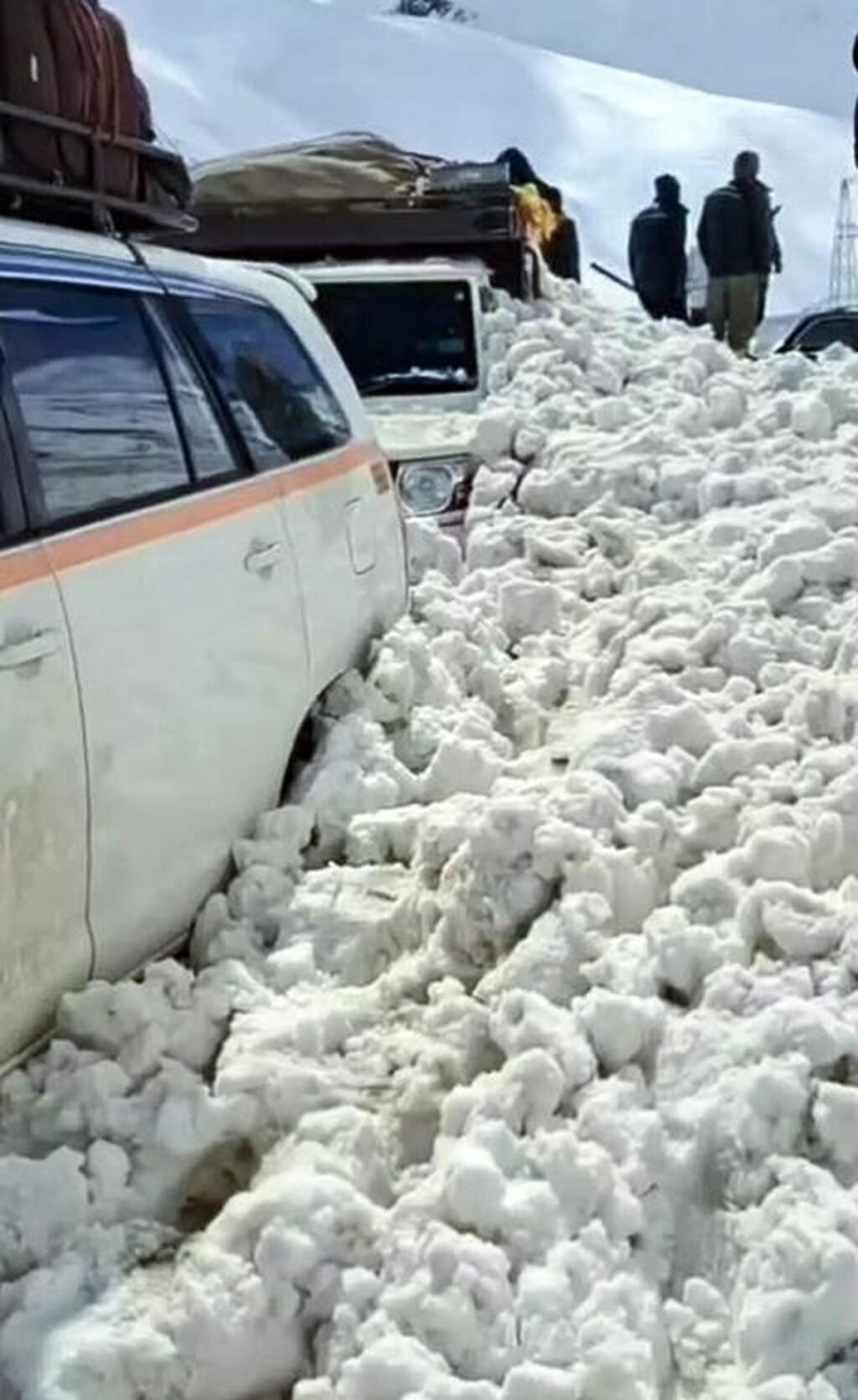
On March 27 2026 big avalanches hit the Srinagar-Leh National Highway, near Zoji La Pass, a high mountain pass that connects Kashmir with Ladakh.
7 people died
5 people got hurt
Many vehicles were buried under snow
The highway was completely blocked
The avalanche happened suddenly and people traveling on the road were caught off guard. Many vehicles were trapped under snow and debris.
2. Where It Happened
The avalanche occurred at Zoji La Pass, which is located at an altitude of 11,500 feet. This pass connects Srinagar in Kashmir to Leh in Ladakh. It is one of the dangerous mountain roads in India.
This highway is very important because it is the way to get to Ladakh. People use it to travel. The army uses it to transport supplies. However the road is very prone to avalanches and landslides during winter and early spring.
3. What Exactly Happened
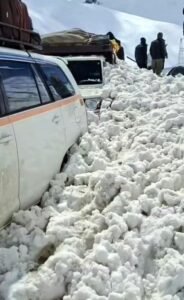
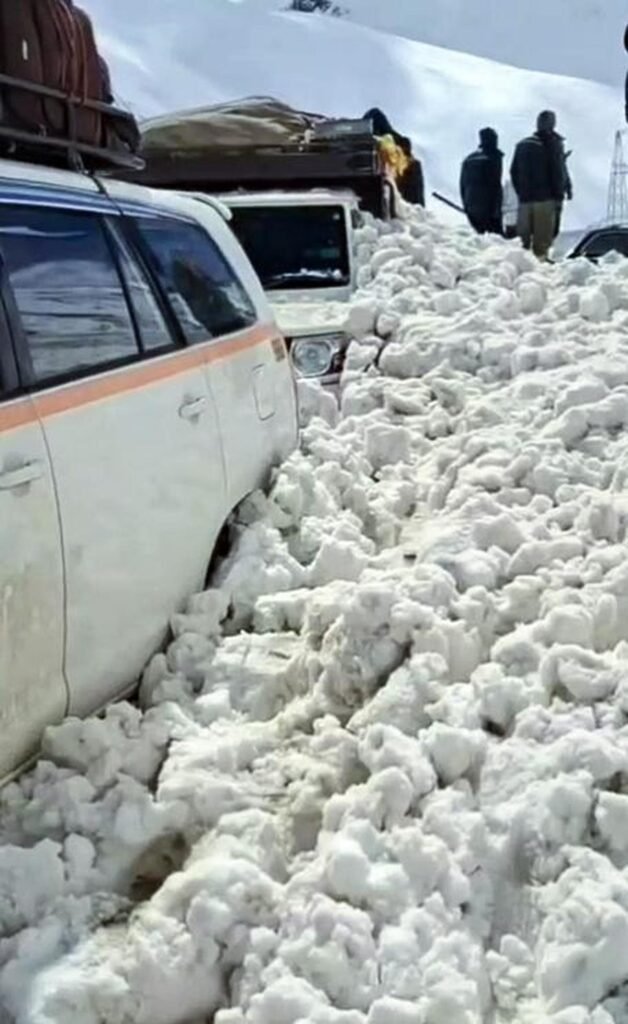
According to officials the avalanche hit the road between Zero Point and Minimarg. About 12 to 15 vehicles were buried under snow. The snow and debris swept across the road suddenly. The people who died were mostly passengers traveling in vehicles.
At first people thought fewer people had died. As rescue teams found more bodies the number of deaths rose to 7.
4. Rescue Operations
After the disaster many agencies were sent to help, including the Indian Army, the Border Roads Organisation, the police and the State Disaster Response Force. The rescue teams worked from both the Sonamarg side in Kashmir and the Drass side in Ladakh. Over 100 people were involved in the rescue operations.
The rescue teams faced challenges, including heavy snowfall, unstable terrain and the risk of more avalanches.
5. Why The Avalanche Happened
Avalanches happen in this region because of natural factors, including:
Heavy snowfall, which makes the snow layers unstable
Temperature changes, which make the snow layers weak
Steep slopes, which cause the snow to slide rapidly
Wind, which deposits snow unevenly and creates pressure zones that can collapse
Human activity like the movement of vehicles, which can sometimes trigger avalanches
6. Why Zoji La Is Dangerous
The Srinagar-Leh Highway is known for being very dangerous because it has narrow roads carved into mountains, frequent avalanches and landslides extreme weather conditions and limited communication infrastructure. The road is often closed during winter. Only opens seasonally.
7. How The Incident Affected People
The avalanche had an impact on people including:
Transport disruption as the highway was completely blocked
Strategic concerns as the military supply routes to Ladakh were affected
Loss of lives as 7 people died
Injuries as many people were hospitalized
Economic impact as supply chains were disrupted and tourism was affected
8. What The Government Did
The government reacted quickly to the disaster. The Union Minister Jitendra Singh confirmed the deaths. Expressed condolences. The Ladakh administration started emergency response operations and officials monitored the rescue operations continuously.
The government also deployed rescue teams cleared snow from the road and advised people to avoid traveling on the highway.
9. Long-Term Solutions
The government is working on an infrastructure project the Zoji La Tunnel Project, which will provide all-weather connectivity and reduce the dependence on risky mountain passes. The tunnel will improve safety and military logistics.
Once the tunnel is completed travel time will be. The risk of avalanches will decrease significantly.
10. The Bigger Picture
This incident highlights issues, including climate change, which is making snowfall more unpredictable and the fragility of the Himalayas, which are prone to landslides, avalanches and earthquakes. Building roads in high-altitude regions is also very challenging.
11. Safety Tips For Travelers
The authorities recommend that travelers avoid traveling during snowfall check weather and road advisories travel in convoy or with experienced drivers and carry emergency supplies.
The avalanche on the Srinagar-Leh National Highway is a reminder of how dangerous high-altitude travel can be. Despite advances in technology, nature in the Himalayas remains unpredictable and powerful.
7 people lost their lives in the avalanche
The highway was severely disrupted
Rescue operations were carried out in extreme conditions
There is a need for safer infrastructure like tunnels
This incident shows that there is an urgent need for better forecasting systems, stronger disaster preparedness and safer transport infrastructure, in mountainous regions. The Srinagar-Leh National Highway avalanche is an event that will not be forgotten.