Cheque bounced? Experts weigh in on fines, jail risk and credit hit
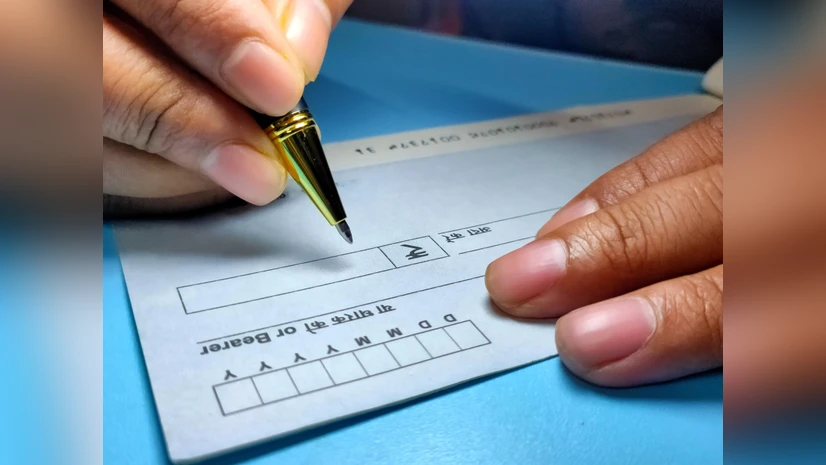
A cheque bounce is one of the most common yet legally serious financial issues in India. Many people assume it is just a banking inconvenience. However, under Indian law, cheque dishonour can lead to penalties, legal notices, court cases, fines, and even imprisonment.
In this detailed explanation, we will understand:
- What cheque bounce means
- Legal provisions under the Negotiable Instruments Act, 1881
- Reasons for cheque dishonour
- Fines and jail risks
- Impact on credit score (like TransUnion CIBIL)
- Steps to take if your cheque bounces
- Preventive measures
1. What is a Cheque Bounce?
A cheque bounce (also called cheque dishonour) happens when a bank refuses to process a cheque presented for payment.
This usually happens due to:
- Insufficient balance
- Signature mismatch
- Overwriting on cheque
- Account closed
- Stop payment instructions
When a cheque is dishonoured, the bank issues a “Cheque Return Memo” mentioning the reason.
2. Legal Framework Governing Cheque Bounce in India
Cheque bounce cases in India are primarily governed by:
📜 Negotiable Instruments Act, 1881
Section 138 – The Most Important Provision
Section 138 makes cheque bounce due to insufficient funds a criminal offence.
If someone issues a cheque that bounces due to lack of funds, they can face:
- Imprisonment up to 2 years
- Fine up to twice the cheque amount
- Or both
This is why cheque bounce is taken very seriously in India.
3. Conditions for Filing a Cheque Bounce Case
Not every cheque bounce automatically leads to jail. The law requires specific steps:
Step 1: Cheque must be issued legally
It must be for:
- Discharge of debt
- Payment of legally enforceable liability
Step 2: Cheque must be presented within validity
Usually within 3 months of issue date.
Step 3: Legal Notice
The payee must send a written legal notice within 30 days of receiving the cheque return memo.
Step 4: 15 Days to Pay
The cheque issuer gets 15 days to clear payment after receiving the notice.
Step 5: Court Case
If payment is not made, the complainant can file a case within 30 days after expiry of the 15-day notice period.
Only after these steps can prosecution begin.
4. Reasons Why Cheques Bounce
Here are the most common reasons:
1. Insufficient Funds
Most common cause. Account balance is lower than cheque amount.
2. Signature Mismatch
Signature does not match bank records.
3. Account Closed
Cheque issued from closed account.
4. Stop Payment
Drawer instructs bank to stop payment.
5. Overwriting / Damage
Cheque altered or damaged.
Note: Even “stop payment” can attract legal action if debt exists.
5. Penalties and Fines
Bank Charges
Banks impose penalty charges on both:
- Issuer (drawer)
- Sometimes the recipient
Charges may range between ₹100 to ₹750 or more depending on bank policy.
Legal Penalties Under Section 138
If convicted:
- Jail up to 2 years
- Fine up to twice cheque amount
- Compensation to payee
For example:
If cheque amount is ₹5 lakh, court may impose fine up to ₹10 lakh.
6. Can You Really Go to Jail?
Yes — but jail is not automatic.
Courts usually prefer:
- Settlement
- Compensation
- Compounding of offence
However, jail may occur if:
- Accused repeatedly ignores summons
- Refuses to settle
- Multiple cheque bounce cases exist
Courts aim to ensure recovery rather than punishment, but imprisonment remains possible.
7. Impact on Credit Score
Cheque bounce can negatively affect your financial reputation.
Credit bureaus like:
- TransUnion CIBIL
- Experian
- Equifax
collect financial behaviour data.
How It Affects Credit Score
- If linked to loan EMI cheque bounce, lender reports default.
- Repeated cheque dishonour signals financial instability.
- Loan approval chances reduce.
- Credit card limits may shrink.
A low credit score increases interest rates on future loans.
8. Civil vs Criminal Nature
Cheque bounce under Section 138 is:
- Criminal offence
- Also allows civil recovery
So a person may face:
- Criminal trial
- Civil recovery suit
9. What Experts Say
Legal experts emphasize:
- Most cases settle outside court.
- Early response to legal notice avoids jail.
- Ignoring court summons makes situation worse.
- Maintaining proper banking discipline is crucial.
Financial experts warn:
- Even one cheque bounce can hurt financial credibility.
- Businesses suffer reputational damage.
- GST and tax scrutiny may increase in business disputes.
10. Special Cases: Business and Companies
If cheque issued by company:
- Company can be prosecuted
- Directors responsible for operations can also be held liable
This makes compliance very important in corporate finance.
11. Supreme Court’s View
The Supreme Court of India has repeatedly emphasized:
- Cheque bounce cases clog courts.
- Encouraged compounding and mediation.
- Digital payments should reduce cheque reliance.
The Court promotes settlement to reduce litigation burden.
12. How to Defend a Cheque Bounce Case
Common defenses include:
- No legally enforceable debt
- Cheque given as security
- Notice not properly served
- Cheque altered fraudulently
- Payment already made
Burden of proof initially lies on accused once cheque issuance is admitted.
13. Preventive Measures
For Individuals
- Maintain adequate balance.
- Avoid issuing blank signed cheques.
- Use NEFT/RTGS/UPI for large payments.
- Monitor bank statements.
For Businesses
- Maintain cash flow management.
- Reconcile accounts daily.
- Avoid post-dated cheques unless funds certain.
- Maintain cheque issue register.
14. Alternatives to Cheques
Modern digital systems reduce risk:
- UPI
- NEFT
- RTGS
- IMPS
These methods:
- Provide instant confirmation
- Avoid bounce penalties
- Create clear transaction trail
15. Compounding of Offence
Cheque bounce cases are compoundable.
Meaning:
- Parties can settle
- Case withdrawn
- No criminal conviction recorded
Courts often encourage mediation.
16. Timeline of a Typical Case
- Cheque issued
- Presented to bank
- Cheque dishonoured
- Legal notice within 30 days
- 15 days waiting period
- Complaint filed
- Court summons
- Trial
- Settlement or conviction
Cases may take months to years depending on court backlog.
17. Practical Example
Imagine:
Rahul issues cheque of ₹2 lakh to Amit.
Cheque bounces due to insufficient funds.
Amit:
- Sends legal notice within 30 days.
- Rahul ignores notice.
- Amit files complaint.
Court may:
- Order Rahul to pay ₹2 lakh + compensation.
- Impose fine up to ₹4 lakh.
- Award imprisonment if non-compliant.
If Rahul pays within 15 days after notice, no criminal case arises.
18. Psychological and Reputational Impact
Beyond legal risk:
- Business reputation suffers
- Trust damaged
- Banking relationships weaken
- Vendors demand advance payment
In business world, cheque bounce is seen as red flag.
19. Recent Trends
- Increase in digital payments reducing cheque usage
- Courts encouraging online dispute resolution
- Faster settlement through mediation centers
However, cheque bounce cases still number in lakhs annually.
20. Key Takeaways
✔ Cheque bounce is a criminal offence under Section 138
✔ Jail up to 2 years possible
✔ Fine up to twice cheque amount
✔ Legal notice mandatory before case
✔ Credit score may be affected
✔ Early settlement prevents major consequence
Cheque bounce is not merely a banking error — it is a serious legal matter in India. While jail is possible, most cases end in settlement. However, ignoring notices and court summons can escalate the situation dramatically.
Financial discipline, careful cash management, and using digital alternatives can prevent such issues.
Understanding the legal process under the Negotiable Instruments Act, 1881 helps individuals and businesses protect themselves from fines, jail risk, and credit damage.