Iran-Israel war poses near-term challenges to Indian economy: RBI MPC member
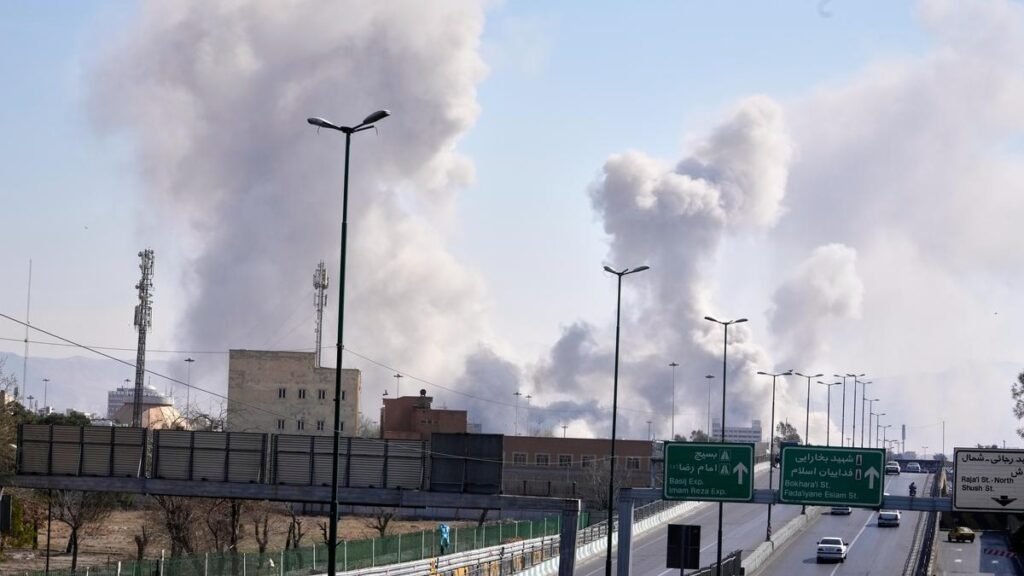
The conflict between Iran and Israel is causing concern about its impact on the world economy. India being an importer of energy resources from West Asia is particularly vulnerable to the situation.
Recently a member of the Reserve Bank of Indias (RBI) Monetary Policy Committee stated that the Iran-Israel war could create short-term challenges for the economy. However the long-term growth outlook remains strong.
The official pointed out that the immediate risks include:
* Rising crude oil prices
* Disruption of exports to West Asia
* reduction in remittances
* Financial market volatility
### Background of the Iran-Israel Conflict
The conflict between Iran and Israel has roots in geopolitical rivalry and ideological differences. Israel views Irans program as a major security threat. Iran considers Israel an adversary. Opposes its influence in the Middle East.
In 2026 tensions escalated after strikes involving Israel, Iran and the United States. The conflict has increased instability in the energy- Gulf region.
The Middle East is crucial to the economy as it supplies a significant portion of the worlds oil. Any military confrontation there immediately affects oil markets, trade routes and investor confidence.
### RBI MPC Members Warning
An RBI MPC member, economist Nagesh Kumar stated that the Middle East conflict poses “immediate-term challenges” for Indias economy. However he noted that Indias strong macroeconomic fundamentals mean that the long-term growth trajectory is unlikely to be affected.
According to him the main risks include:
* Rising crude oil prices
* Disruption in exports to Asian countries
* Potential decline in remittances from workers in the Gulf
* Security concerns for the diaspora
* Increased volatility in markets
### Importance of the Middle East for India
India imports over 80% of its crude oil with a large share coming from the Middle East. Major suppliers include Saudi Arabia, Iraq, the United Arab Emirates and Kuwait.
The Middle East accounts for 17% of Indias exports including textiles, engineering goods, gems and jewelry, food products and pharmaceuticals.
### Impact on Crude Oil Prices
The Iran-Israel war has led to a rise in crude oil prices. Geopolitical tensions in the Middle East create fears about supply disruptions.
### Inflationary Pressure
Inflation is a concern arising from the conflict. Higher crude oil prices lead to increased fuel prices, transportation costs and logistics expenses.
### Currency. Rupee Depreciation
The Indian rupee has experienced pressure due to the conflict. A weaker rupee makes imports more expensive, including oil, electronics and fertilizers.
### Impact on Trade and Exports
The conflict affects Indias trade with the Middle East. Shipping disruptions and rising freight costs can slow trade. Increase costs for Indian exporters.
### Impact on Remittances
Remittances from workers in the Gulf play a critical role in Indias economy. If the conflict spreads or disrupts activity in the Gulf job losses may occur worker incomes may decline and remittances may fall.
### Impact on Financial Markets
tensions affect stock markets and investment sentiment. Investors tend to shift their money to safe-haven assets during wars.
### Impact on Aviation and Logistics
Air travel and cargo routes through the Middle East are affected. Airlines may need to reroute flights to avoid conflict zones, which increases fuel consumption and operational costs.
### Impact on Energy Security
Indias energy security depends heavily on supplies from the Middle East. If the conflict spreads oil production or shipping could be disrupted.
### Government and RBI Response
Indian policymakers are closely monitoring the situation. The RBI may take steps such as intervening in currency markets managing liquidity and adjusting interest rates if inflation rises.
The government may reduce fuel taxes use petroleum reserves diversify energy imports and support exporters facing disruptions.
### Why the Long-Term Impact May Be Limited
Despite the risks economists believe that Indias long-term growth prospects remain strong. Reasons include domestic demand, a large internal market, economic reforms and diversification of energy sources.
The RBI MPC member emphasized that the challenges are mainly term and Indias economic fundamentals remain resilient.
### Lessons for India
The conflict highlights the need for energy diversification strengthening reserves and expanding trade partners. India must accelerate investment, in energy, electric mobility and domestic energy production.
The Iran-Israel war has introduced uncertainty into the global economy. For India the immediate concerns include rising oil prices, inflationary pressures, currency depreciation, export disruptions and potential risks to remittance flows.