U.S. will ‘bitterly regret’ attacking IRIS Dena: Iranian Foreign Minister
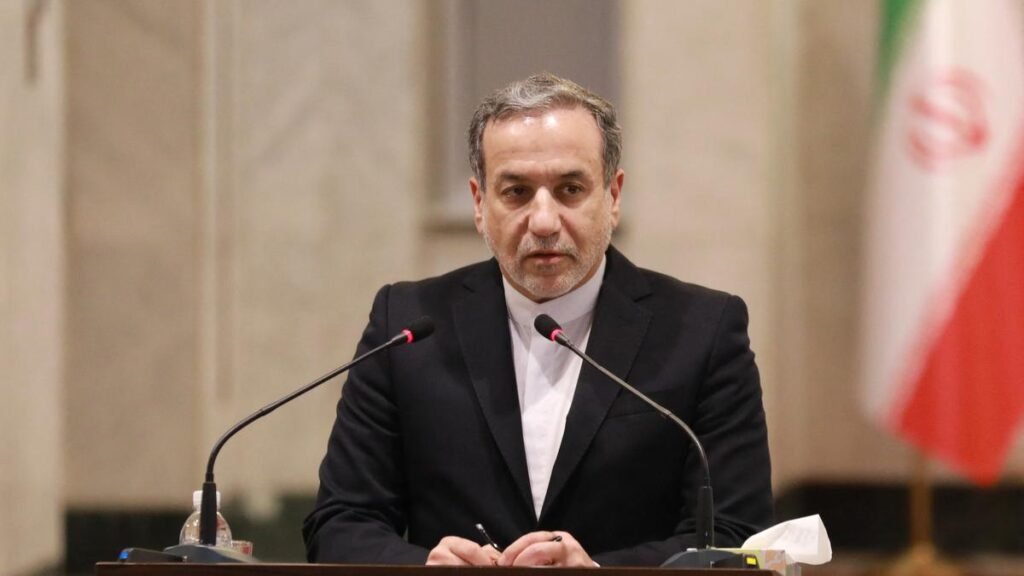
The statement by the Foreign Minister that the United States will “bitterly regret” attacking IRIS Dena reflects the growing tension between Iran and the United States in the strategic waters of West Asia.
The incident involving the IRIS Dena, one of Iran’s naval destroyers highlights how fragile the security situation has become in the Persian Gulf and surrounding maritime regions. Iran views its assets like IRIS Dena as a symbol of national sovereignty and military capability. The United States maintains a naval presence in the region to protect international shipping routes and support its allies.
To understand the significance of this warning it is essential to examine aspects: the background of Iran-U.S. Relations, the role of the IRIS Dena warship the circumstances surrounding the alleged attack, the strategic importance of the Persian Gulf and the potential geopolitical consequences of such tensions.
### 1. Background of Iran–U.S. Tensions
The relationship between Iran and the United States has been tense for than four decades. Before the 1979 revolution Iran and the U.S. Were allies. The Iranian monarchy under Shah Mohammad Reza Pahlavi maintained political, economic and military ties with Washington. The U.S. Supported the Shah’s regime as part of its strategy to contain influence in the Middle East during the Cold War.
However the situation changed dramatically after the Iranian Revolution. The revolution overthrew the monarchy. Established an Islamic Republic under the leadership of Ruhollah Khomeini. The new government adopted a -Western stance and criticized American influence in Iran.
Relations deteriorated further during the Iran Hostage Crisis when Iranian students seized the U.S. Embassy in Tehran and held 52 American diplomats hostage for 444 days. This crisis severed relations between the two countries and since then Iran and the United States have had no formal diplomatic ties.
Over the decades tensions have repeatedly escalated due to issues such as Iran’s program, regional proxy conflicts, sanctions imposed by Washington and military confrontations in the Persian Gulf.
### 2. The Role of IRIS Dena in Iran’s Navy
IRIS Dena is one of the advanced warships built by Iran. It belongs to the Moudge-class destroyers developed by the Navy as part of the country’s effort to achieve military self-reliance.
Here are some key features of IRIS Dena:
* **Type**: Guided missile destroyer
* **Built by**: Iranian defense industry
* **Commissioned**: Early 2020s
* **Capabilities**: Anti-ship missiles, surface-to-air missiles, naval guns, radar systems and helicopter operations
* **Role**: Long-range patrol, defense of waters and power projection
The ship represents Iran’s progress in indigenous military technology. Iran has invested heavily in developing defense systems because international sanctions restrict its ability to purchase advanced weapons from abroad.
IRIS Dena is capable of operating beyond Iran’s coastline. In years Iranian warships have conducted long-distance deployments to demonstrate their naval capabilities and assert Iran’s presence in international waters.
### 3. The Incident That Triggered the Warning
According to officials the alleged attack on IRIS Dena occurred during heightened tensions between Iranian and American naval forces. The United States Navy regularly patrols waterways in the Middle East including the Persian Gulf and the Strait of Hormuz.
Iran claims that American forces either directly attacked or threatened the destroyer during an encounter. Iranian authorities described the action as a violation of maritime norms and an act of aggression.
In response Iran’s foreign minister warned that the United States would “bitterly regret” actions. This phrase is often used in language to signal that retaliation could follow if similar incidents occur again.
Iran’s government emphasizes that its naval forces operate legally in waters and that any attack on its vessels would be considered a serious escalation.
### 4. Strategic Importance of the Persian Gulf
The waters surrounding Iran are among the strategically important in the world. The Persian Gulf and the Strait of Hormuz serve as corridors for global energy supplies.
The Strait of Hormuz is a waterway connecting the Persian Gulf to the Gulf of Oman and the Arabian Sea. 20% Of the world’s oil trade passes through this route.
Because of its importance to energy markets many countries maintain a military presence in the region to ensure freedom of navigation. The United States Navy’s Fifth Fleet, based in Bahrain regularly patrols these waters.
Iran however views the Persian Gulf as part of its national security zone. Iranian officials have repeatedly stated that foreign military presence in the region threatens stability.
This clash of interests often leads to confrontations between Iranian and American naval forces.
### 5. Military Encounters Between Iran and the U.S.
Naval incidents between Iran and the United States are not new. Over the years both sides have accused each other of maneuvers and provocations.
One of the serious incidents occurred during Operation Praying Mantis when the U.S. Navy destroyed several Iranian naval vessels during the Iran-Iraq War.
Another tragic event happened when the U.S. Navy cruiser USS Vincennes mistakenly shot down Iran Air Flight 655 killing 290 civilians.
Recently tensions escalated in 2020 when the United States carried out a drone strike that killed Iranian military commander Qasem Soleimani in Iraq. Iran responded with missile attacks on U.S. Bases in the region.
These events demonstrate how quickly confrontations between the two countries can escalate into conflict.
### 6. Iran’s Military Strategy in the Gulf
Iran’s strategy relies on a mix of conventional warships fast attack boats, submarines, drones and missile systems. Than competing directly with the technologically superior U.S. Navy Iran focuses on asymmetric warfare tactics.
These tactics include:
* **Swarm attacks** using fast boats
* **Coastal missile batteries**
* **Naval mines**
* **Anti-ship missile systems**
* **Drone surveillance**
Iran believes this approach allows it to defend its coastline and potentially disrupt shipping in the Strait of Hormuz if conflict erupts.
Warships like IRIS Dena serve as the backbone of Iran’s naval power complementing these asymmetric capabilities.
### 7. U.S. Perspective on Regional Security
The United States maintains that its military presence in the Persian Gulf is necessary to protect trade and ensure stability in the region.
Washington also seeks to deter Iran from threatening its allies, including countries such as Saudi Arabia, United Arab Emirates and Israel.
The U.S. Government often accuses Iran of supporting groups in the region and developing advanced missile and nuclear technologies.
Because of these concerns American naval forces closely monitor military activities in the Persian Gulf.
### 8. Diplomatic Implications of the Warning
The statement that the United States would “bitterly regret” attacking IRIS Dena carries diplomatic implications.
Such warnings serve purposes:
* **Deterrence** – Iran signals that further attacks will trigger retaliation.
* ** messaging** – Iranian leaders show strength to their population.
* ** signaling** – The message alerts other countries to potential escalation.
Diplomatic language often contains rhetoric but it does not necessarily mean war is imminent. Instead it reflects the political environment between the two countries.
### 9. Global Impact of Escalating Tensions
If tensions between Iran and the United States escalate into conflict the consequences could be severe for the global economy.
Possible impacts include:
* **Disruption of oil supplies**
* **Rising energy prices**
* **Instability in financial markets**
* **Increased military spending**
* **Risk of war involving multiple countries**
Countries around the world closely watch developments in the Persian Gulf because of its importance to international trade and energy security.
### 10. Implications for India
For countries like India tensions in West Asia are particularly significant. India imports a portion of its oil from the Middle East and relies on maritime routes through the Arabian Sea and the Strait of Hormuz.
Escalating conflict could affect:
* **Energy prices**
* **Shipping costs**
* **Trade routes**
* **Indian workers living in Gulf countries**
India typically advocates solutions and de-escalation to maintain regional stability.
### 11. Future Prospects
Despite tensions both Iran and the United States have strong incentives to avoid full-scale war. Military conflict in the Persian Gulf would be extremely costly for all parties involved.
Future developments may depend on factors:
* **Diplomatic negotiations** over Iran’s nuclear program
* **Regional security arrangements**
* **Changes in political leadership**
* **International mediation efforts**
If dialogue resumes between Tehran and Washington tensions may gradually ease. However if confrontations continue incidents like the alleged attack on IRIS Dena could increase the risk of escalation.
The warning by Iran’s minister that the United States would “bitterly regret” attacking IRIS Dena highlights the fragile security environment in the Persian Gulf. The incident reflects decades of mistrust and strategic rivalry between Iran and the United States.
IRIS Dena symbolizes Iran’s efforts to build a navy and protect its maritime interests. At the time the presence of powerful U.S. Naval forces in the region ensures that encounters between the two sides will remain frequent and potentially dangerous.
The situation underscores the importance of diplomacy, communication and crisis management to prevent misunderstandings from escalating into conflicts. In a region already affected by geopolitical tensions maintaining stability in vital waterways such, as the Strait of Hormuz remains crucial for global security and economic stability.