LPG, LNG and India’s production, supply and distribution | Explained
India’s economy is growing fast. The population is increasing. This means the country needs energy. Liquefied Petroleum Gas (LPG) and Liquefied Natural Gas (LNG) are very important for meeting India’s energy needs. They are cleaner than coal and oil.
LPG and LNG are key to India’s energy security, environmental protection and sustainable development plans. Over the twenty years their importance has grown due to government efforts and a shift towards cleaner fuels.
## Understanding LPG and LNG
### Liquefied Petroleum Gas (LPG)
LPG is a mix of hydrocarbon gases. It mainly consists of propane and butane. When compressed it becomes liquid. Can be stored in cylinders or tanks.
#### Key Characteristics of LPG
* Stored in cylinders
* Highly flammable
* Produces combustion
* To transport and store
#### Major Uses
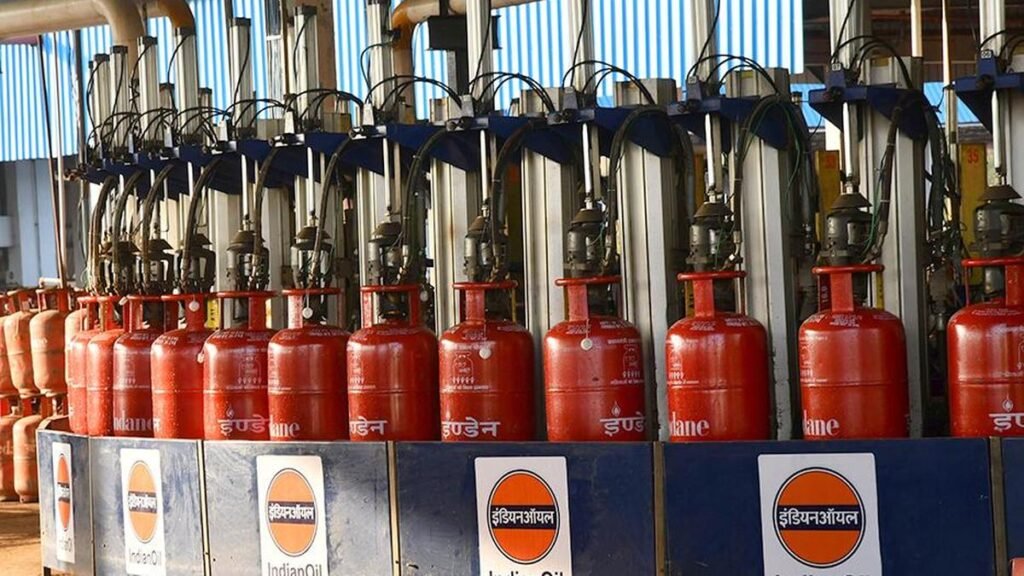
* Domestic cooking fuel – LPG cylinders are used in millions of Indian households.
* Commercial establishments – Hotels, restaurants, bakeries.
* Industrial fuel – Used in manufacturing processes.
* Auto LPG – Used in vehicles in some countries and limited parts of India.
### LPG in India
India uses a lot of LPG. The government has made it easier for people to get LPG through schemes like the Pradhan Mantri Ujjwala Yojana. This scheme gives LPG connections to poor households.
Today than 99% of households in India use LPG.
### Liquefied Natural Gas (LNG)
LNG is gas cooled to –162°C. This makes it liquid and easier to transport.
#### Key Characteristics of LNG
* Stored at low temperatures
* Transported via cryogenic tankers
* Used for power generation and industries
* Requires regasification terminals
#### Major Uses
* Electricity generation
* Industrial fuel
* City gas distribution
* Fertilizer production
* Transportation fuel (CNG derived from natural gas)
## Difference Between LPG and LNG
| Feature | LPG | LNG |
| — | — |
| Composition | Propane and Butane | Methane |
| Storage | Pressurized cylinders | Cryogenic tanks |
| Temperature | Normal temperature | –162°C |
| Use | Household cooking | Industry and power |
| Transport | Cylinders and trucks | LNG ships and pipelines |
## India’s Natural Gas and LPG Production
India produces LPG and natural gas.. It still needs to import more.
### Domestic Production
Major oil and gas companies in India include:
* Oil and Natural Gas Corporation (ONGC)
* Oil India Limited
* Reliance Industries
* Cairn Oil & Gas
### Major Gas Fields
Important gas producing areas include:
* Krishna–Godavari Basin
* Mumbai Offshore Basin
* Assam Basin
* Cambay Basin
## LPG Production Process
LPG is made in two ways:
1. **Oil Refining**: Crude oil is processed. Propane and butane are. Liquefied into LPG.
2. **Natural Gas Processing**: Natural gas is processed. Hydrocarbons are separated to produce LPG.
## LNG Production and Import
India imports a lot of LNG. Major exporters to India include:
* Qatar
* Australia
* United States
* Russia
* Mozambique
## LNG Terminals in India
LNG needs terminals. Major terminals include:
* Dahej LNG Terminal (Gujarat)
* Hazira LNG Terminal (Gujarat)
* Kochi LNG Terminal (Kerala)
* Ennore LNG Terminal (Tamil Nadu)
* Dhamra LNG Terminal (Odisha)
## LPG Supply Chain in India
The LPG supply chain has stages:
1. **Production**: LPG is produced at oil refineries and gas processing plants.
2. **Storage**: LPG is stored in tanks.
3. **Bottling Plants**: LPG is filled into cylinders.
4. **Distribution**: Cylinders are transported to consumers.
## LPG Distribution System
LPG distribution in India is managed by:
* Indian Oil Corporation
* Bharat Petroleum
* Hindustan Petroleum
## City Gas Distribution (CGD)
India is expanding City Gas Distribution networks. This provides:
* PNG (Piped Natural Gas) for households
* CNG (Compressed Natural Gas) for vehicles
## Government Policies and Schemes
* **Pradhan Mantri Ujjwala Yojana (PMUY)**: Launched in 2016 to provide LPG connections to families.
* **Gas-Based Economy Vision**: The government aims to increase the share of gas in the energy mix.
## Challenges in LPG and LNG Supply
India faces challenges:
* High import dependence
* Infrastructure gaps
* Price volatility
* Storage limitations
## Environmental Importance
LPG and LNG are fuels. They have environmental benefits:
* Lower carbon emissions
* Reduced air pollution
* Improved health outcomes
## Future of Gas in India
India is investing in gas infrastructure. Future developments include:
* Expansion of LNG terminals
* Expansion of city gas networks
* Growth of gas-based industries
## Strategic Importance
LPG and LNG are crucial for:
* Energy security
* growth
* Environmental sustainability
They help India transition, towards a low-carbon energy system.