Iran conflict forces Asian central banks into sharp policy rethink
The conflict between Iran and its neighbors has created a lot of uncertainty around the world especially in Asia.
Central banks in countries are now rethinking their monetary policies because of rising oil prices, unstable currencies, inflation and slower economic growth.
Many Asian economies rely heavily on imported energy. When there are problems in the Middle East it immediately affects their economy.
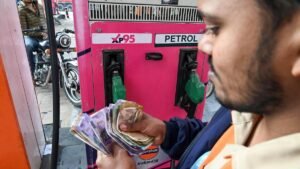
The conflict has disrupted shipping routes pushed oil prices above $100 per barrel and raised fears of supply shortages.
These developments have forced policymakers to reconsider interest rate decisions, liquidity measures and inflation management strategies.
* The crisis has been intensified by disruptions in the Strait of Hormuz an energy transit route.
* Around one-fifth of oil supply passes through this narrow waterway making it crucial for energy exports from the Middle East to Asia.
* Following escalation tanker traffic through the strait fell sharply causing a sudden reduction in oil shipments and driving global crude prices sharply higher.
The conflict has made it hard for central banks to make policy decisions.
They usually adjust interest rates to control inflation and support growth.
However conflicts like the one in Iran create both recessionary pressures at the same time.
Rising energy costs increase the price of transportation, electricity and manufacturing pushing consumer inflation higher.
At the time expensive energy raises production costs for businesses and reduces consumer purchasing power slowing economic growth.
The International Monetary Fund has warned about the consequences of the crisis.
According to the IMF even a modest increase in oil prices can significantly raise inflation across the world.
The IMF Managing Director Kristalina Georgieva warned that policymakers must prepare for scenarios.
Asian central banks are particularly vulnerable to the crisis because many of their economies rely on imported energy and export-oriented industries.
Countries such as Japan and South Korea depend heavily on imported oil and gas to power their manufacturing sectors.
When energy prices rise sharply production costs. Exports become less competitive in global markets.
India is an example of the challenges faced by Asian policymakers.
As one of the world’s importers of crude oil India is extremely sensitive to changes in global energy prices.
The Reserve Bank of India may need to intervene in foreign exchange markets or maintain interest rates to stabilize the currency.
Other Asian economies are facing policy dilemmas.
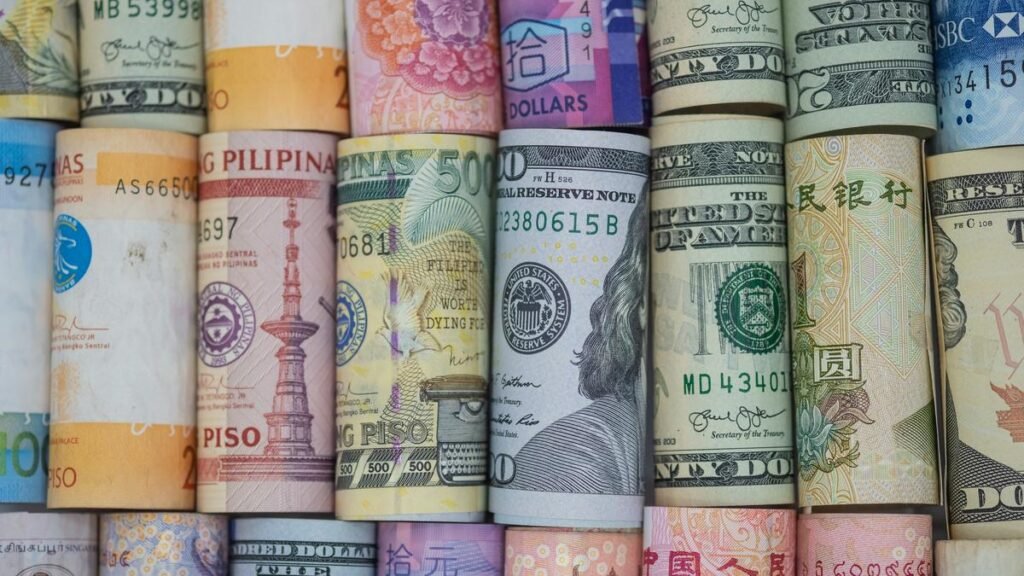
In Southeast Asia countries such as Thailand, Indonesia and the Philippines are dealing with rising fuel costs and currency pressures.
Many of these economies had been considering interest rate cuts to support growth following periods of monetary tightening.
The economic impact of the conflict is not limited to inflation and energy prices.
Financial markets across the world have reacted sharply to the crisis.
Stock markets have fallen in countries as investors worry about slower economic growth and higher borrowing costs.
Stagflation is one of the concerns for central banks in the current environment.
Energy shocks historically play a role in triggering stagflation.
When oil prices rise sharply businesses face production costs while consumers face higher living expenses.
The crisis has also highlighted the importance of energy security for economies.
Many countries in the region are exploring ways to diversify their energy supplies to reduce dependence on Middle Eastern oil.
Strategies include increasing renewable energy production expanding strategic petroleum reserves and strengthening energy partnerships with alternative suppliers.
The evolving situation in the Middle East means that policymakers must remain flexible.
If the conflict de-escalates and energy prices stabilize central banks may be able to resume plans to support economic growth through lower interest rates.
However if the crisis intensifies and energy supply disruptions continue they may have no choice but to tighten policy further to control inflation and protect financial stability.
The Iran conflict has forced central banks to rethink their monetary policy strategies.
Rising oil and gas prices, currency volatility, inflation pressures and uncertain economic growth have combined to create one of the complex policy environments in recent years.
Policymakers must carefully balance the need to control inflation with the need to support growth while also managing currency stability and financial market volatility.
The situation remains highly uncertain. The decisions made by central banks in the coming months will play a crucial role in determining how Asian economies navigate the economic fallout, from the conflict.