LPG tanker Shivalik reaches Gujarat’s Mundra Port after crossing Strait of Hormuz
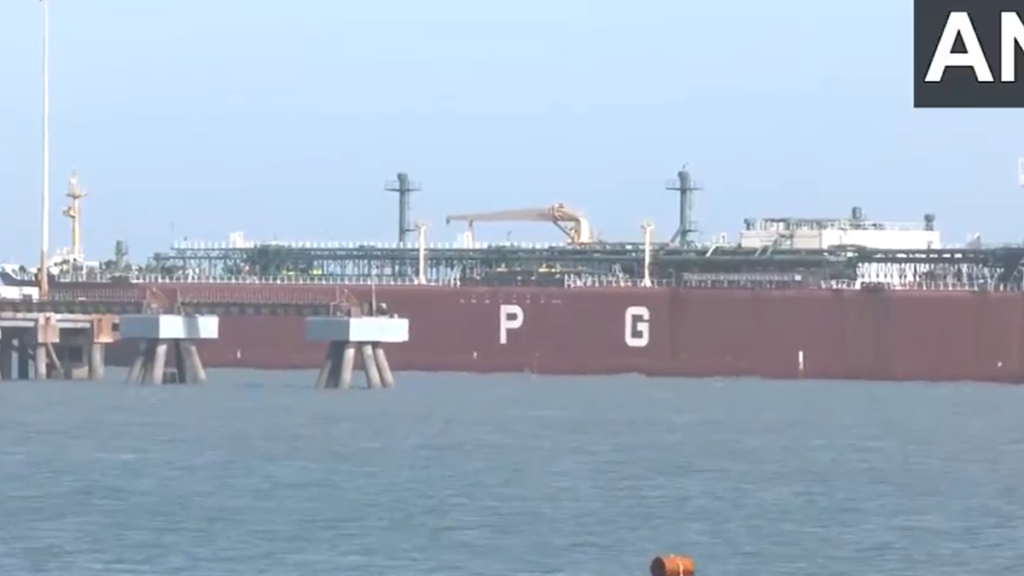
The arrival of the LPG tanker Shivalik at Mundra Port in Gujarat after crossing the Strait of Hormuz is a development for India’s energy security and global maritime trade. The event occurred amid heightened tensions in West Asia, where shipping routes have been disrupted due to conflicts involving Iran, the United States and Israel. Despite the risks the Indian-flagged tanker safely completed its journey carrying a cargo of liquefied petroleum gas (LPG) bringing relief to India’s energy supply chain.
### 1. Overview of the Event
The LPG tanker Shivalik, operated by India’s state-run Shipping Corporation of India reached Mundra Port in Gujarat after navigating through the Strait of Hormuz. The tanker was transporting tens of thousands of tonnes of liquefied petroleum gas destined for India.
The journey was noteworthy because:
* The Strait of Hormuz had become a high-risk zone due to conflict.
* Many ships had avoided the route because of missile attacks, naval confrontations and insurance risks.
* India urgently needed LPG imports to stabilize supply.
The successful arrival of the tanker therefore represented both an achievement and a diplomatic breakthrough.
### 2. What Is the LPG Tanker Shivalik?
Shivalik is an Indian-flagged liquefied petroleum gas carrier used for transporting LPG from gas-producing regions such as the Middle East to India.
Here are some key facts about the vessel:
* Type: LPG tanker
* Built: 2008
* Flag: India
* Owner/operator: Shipping Corporation of India
* Cargo capacity: Tens of thousands of tonnes of LPG
* Role: Transporting gas used for cooking fuel and industrial purposes in India.
LPG tankers like Shivalik are designed ships with:
* Pressurized storage tanks
* Cooling systems to maintain gas in liquid form
* Safety mechanisms for cargo
Because LPG is highly flammable these ships follow strict maritime safety standards.
### 3. Cargo and Supply Importance
The Shivalik tanker was carrying 40,000–45,000 metric tonnes of LPG, part of a shipment intended to support India’s domestic gas consumption.
Along with another tanker named Nanda Devi the total shipment amounted to about 92,700 tonnes of LPG.
This quantity is substantial because:
* It can supply millions of LPG cylinders used by households.
* LPG is the cooking fuel for most Indian homes.
* It supports government schemes like Pradhan Mantri Ujjwala Yojana, which promotes cooking fuel.
Therefore the cargo was crucial for ensuring supply to Indian households.
### 4. The Strategic Importance of the Strait of Hormuz
The Strait of Hormuz is one of the important maritime chokepoints in the world.
Geographically it lies between:
* Iran (north)
*. The United Arab Emirates (south)
It connects:
* The Persian Gulf
* The Gulf of Oman and Arabian Sea.
### Global Energy Importance
20% of global oil and gas shipments pass through this narrow waterway.
This includes exports from producers:
* Saudi Arabia
* Qatar
* Kuwait
* United Arab Emirates
* Iraq
If the strait becomes blocked or unsafe it can disrupt energy markets and raise oil and gas prices.
### 5. The 2026 Strait of Hormuz Crisis
The Shivalik’s journey occurred during the 2026 Strait of Hormuz crisis a geopolitical conflict affecting shipping routes.
#### Causes of the Crisis
The crisis began after:
* The United States and Israel launched strikes against Iran.
* Iran retaliated with missile and drone attacks.
* Iran warned ships against passing through the strait.
As a result:
* Shipping traffic dropped sharply.
* Tankers stopped entering the region.
* Insurance companies labeled the area a high-risk war zone.
The crisis caused the disruption to energy supplies since the 1970s oil crisis.
### 6. Impact on Global Shipping
Due to the conflict:
* than 150 ships waited outside the strait.
* Shipping traffic declined by 70%.
* Many energy companies paused shipments.
Consequences included:
* Rising oil prices.
* Increasing insurance premiums for tankers.
* Higher transportation costs.
Many shipping companies decided not to send vessels through the strait until the security situation improved.
### 7. India’s Energy Dependence on the Gulf
India imports a large portion of its energy from the Middle East.
For LPG
* Around 90% of India’s LPG imports come from Gulf countries.
Major suppliers include:
* Qatar
* Saudi Arabia
* United Arab Emirates
Because most of these supplies must pass through the Strait of Hormuz any disruption there directly affects India’s energy security.
### 8. India’s Diplomatic Efforts
India worked diplomatically to ensure the passage of its ships.
Key efforts included:
* Talks between India’s External Affairs Ministry and Iran.
* Communication between Indian Prime Minister Narendra Modi and Iranian leadership.
* Engagement with Gulf countries and global stakeholders.
These diplomatic efforts helped secure permission for Indian ships to transit the strait safely.
As a result Iran allowed at two Indian LPG tankers—Shivalik and Nanda Devi—to pass through the waterway.
This decision was considered a diplomatic success.
### 9. The Journey of Shivalik
The voyage of the Shivalik tanker involved stages:
1. **Loading of Cargo**: The tanker loaded LPG from gas-producing facilities in the Persian Gulf region.
2. **Waiting Near the Strait**: Due to conflict risks many vessels—including ones—waited outside the Strait of Hormuz for safe clearance.
3. **Transit Through the Strait**: After negotiations Shivalik successfully crossed the strait.
The passage required:
* coordination
* Security monitoring
* Possible naval protection.
4. **Sailing Across the Arabian Sea**: Once past the strait the ship traveled across the Arabian Sea toward India.
5. **Arrival at Mundra Port**: The tanker finally docked at Mundra Port in Gujarat completing its journey.
### 10. Mundra Port: India’s Major Energy Gateway
Mundra Port is one of India’s ports and plays a crucial role in energy imports.
It is located in:
* Gujarat
* On India’s coast.
The port is operated by Adani Ports and Special Economic Zone.
#### Key Features
* Deep-water harbor
* Large cargo handling capacity
* Advanced LPG handling terminals
Because of its infrastructure Mundra can quickly unload LPG tankers like Shivalik.
### 11. Economic Significance for India
The arrival of Shivalik provides economic benefits:
* **Stabilizing LPG Supply**: The shipment helps maintain LPG availability across India.
* **Preventing Price Spikes**: Disruptions in supply can cause LPG prices and inflation in household energy costs.
The arrival of the tanker helps reduce these risks.
* **Supporting Industry**: LPG is also used in petrochemical plants, manufacturing and transportation.
Therefore stable supply benefits the economy.
### 12. Relief Amid Gas Shortage Concerns
India had been facing concerns about a LPG shortage due to:
* Disruptions in Middle East shipping routes
* Delays in tanker movement
* Increased global demand.
The arrival of Shivalik therefore provided relief to energy planners.
It ensured that LPG stocks remained adequate for consumption.
### 13. Role of the Indian Navy
Although commercial vessels typically travel independently the Indian Navy played a role in regional security.
India increased presence in the region to:
* Protect Indian ships
* Monitor threats
* Assist vessels if necessary.
This security deployment helped reassure shipping companies and crew members.
### 14. Safety Challenges During the Voyage
Navigating the Strait of Hormuz during conflict poses risks:
* **Military Threats**: Ships face danger from missiles, drones and naval attacks.
* **Mines and Maritime Hazards**: During conflicts sea mines may be deployed.
Despite these challenges the Shivalik voyage was completed without incident.
### 15. Role of Shipping Corporation of India
The Shipping Corporation of India (SCI) is responsible for operating the tanker.
SCI plays a role in India’s maritime sector by:
* Managing oil and gas carriers
* Supporting energy imports
* Ensuring supply chain stability.
By operating vessels like Shivalik SCI helps India maintain energy independence.
### 16. The Second Tanker: Nanda Devi
Along with Shivalik another LPG tanker named Nanda Devi also crossed the Strait of Hormuz.
The two ships together carried over 92,000 tonnes of LPG.
Their arrival at ports ensured a steady flow of cooking gas supplies.
### 17. Implications for Global Energy Markets
The successful transit of Shivalik also has global implications.
* **Signaling Safe Passage**: It suggests that limited shipping through the strait remains possible despite tensions.
* **Market Stability**: Energy traders closely watch tanker movements to gauge supply availability.
### 18. Future Challenges
Despite this success challenges remain.
* ** Regional Conflict**: The Middle East conflict continues to threaten shipping routes.
* **Energy Security Risks**: India must prepare for disruptions.
### 19. Lessons for India
The Shivalik episode highlights important lessons:
* **Energy security requires diplomacy**.
* **Naval capability is crucial for safety**.
* **Strategic reserves are important during crises**.
* **Diversifying energy imports reduces vulnerability**.
These lessons may shape India’s long-term energy strategy.
The arrival of the LPG tanker Shivalik at Mundra Port after crossing the Strait of Hormuz is a development for India’s energy supply and maritime diplomacy. Occurring during a period of geopolitical tension in the Middle East the successful voyage demonstrates India’s ability to secure critical energy shipments despite global instability.
The Shivalik tanker carried tens of thousands of tonnes of LPG and its arrival helps stabilize fuel supplies and provides relief amid concerns about gas shortages. The journey also highlights the importance of the Strait of Hormuz as a global energy corridor and underscores the need, for strong diplomatic engagement and maritime security.
Ultimately the Shivaliks safe passage is a deal. It is not about delivering fuel. It shows how well India and other countries can work together. This is good, for Indias energy security. The Shivaliks journey helps India get the fuel it needs.