Crude Oil futures rise ₹74 to ₹9,067 per barrel; Brent touches $116
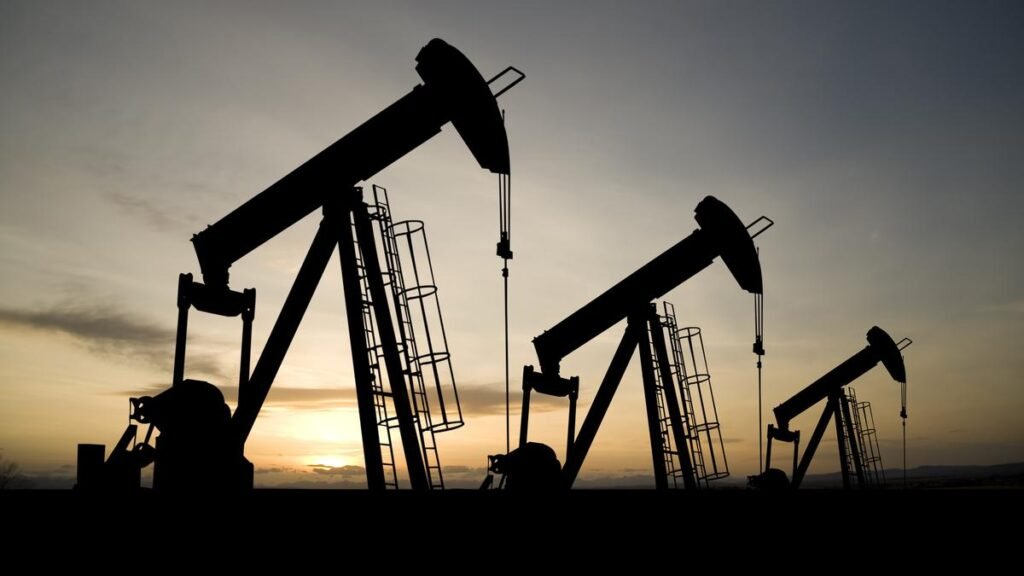
The sharp rise in crude oil futures. Up ₹74 to ₹9,067 per barrel in India’s commodity markets alongside Brent crude touching around $116 per barrel. Signals a development in global energy markets. This movement is not a routine price fluctuation; it reflects a complex interplay of geopolitical tensions supply-demand imbalances, financial market sentiment and macroeconomic forces.
To understand the implications of this surge we need to examine the underlying causes the mechanics of crude oil pricing and the broader economic impact both globally and in India.
## 1. Understanding Crude Oil Futures and Brent Crude
Crude oil futures are contracts that allow traders to buy or sell oil at a predetermined price at a future date.
In India crude oil futures are traded on exchanges like the Multi Commodity Exchange (MCX) and the price ₹9,067 per barrel reflects expectations about supply and demand conditions.
Brent crude on the hand is one of the most important global benchmarks for oil pricing.
It is extracted from the North Sea. Serves as a reference for pricing two-thirds of the world’s internationally traded crude oil.
When Brent touches $116 per barrel it indicates a tightening of supply or rising demand or both.
The relationship between crude oil futures and Brent prices is strong.
When Brent rises Indian futures typically follow due to India’s dependence on imports. Over 85% of its crude oil needs are met from abroad.
## 2. Key Drivers Behind the Price Surge
### A. Geopolitical Tensions
One of the significant factors behind the recent rise in crude oil prices is escalating geopolitical tensions, particularly in the Middle East.
Conflicts involving oil-producing regions can disrupt supply chains create uncertainty and lead to speculative buying in futures markets.
For example any military conflict near the Strait of Hormuz. A chokepoint through which a large portion of global oil supply passes. Can trigger fears of supply disruption.
### B. Supply Constraints
Global oil supply has been relatively tight due to reasons:
* OPEC+ Production Cuts: The Organization of the Petroleum Exporting Countries (OPEC) and its allies (OPEC+) have implemented production cuts to stabilize prices.
These cuts reduce the amount of oil in the market pushing prices upward.
* Declining Inventories: Oil inventories in economies like the United States have been declining, signaling that demand is outpacing supply.
* Underinvestment in Oil Infrastructure: Over the past decade there has been reduced investment in oil exploration and production due to the global shift toward renewable energy.
This has limited the ability of producers to quickly ramp up supply.
### C. Strong Global Demand
Despite concerns about slowdowns in some regions global oil demand remains robust:
* Post-pandemic recovery has led to increased travel, industrial activity and energy consumption.
* Emerging economies like India and China continue to drive demand growth.
* Seasonal factors, such as winter heating demand or summer travel can also boost consumption.
### D. Currency Movements
Oil is priced in U.S. Dollars globally.
When the dollar strengthens oil becomes more expensive for countries using currencies.
However in some cases a weaker dollar can make oil cheaper. Increase demand, pushing prices higher.
For India a weakening rupee against the dollar amplifies the impact of rising oil prices.
Even if Brent prices remain stable a weaker rupee can lead to domestic prices.
### E. Speculative Activity
Financial investors and hedge funds play a role in oil markets.
When they anticipate prices they buy futures contracts, which can drive prices up further.
## 3. Impact on the Economy
### A. Inflationary Pressures
Rising crude oil prices directly impact inflation in India.
Oil is an input in transportation, manufacturing and agriculture.
When oil prices rise:
* Fuel prices increase (petrol, diesel, LPG).
* Transportation costs rise.
* Prices of goods and services go up.
This leads to wholesale price inflation (WPI) and consumer price inflation (CPI).
### B. Fiscal Deficit Concerns
The Indian government subsidizes fuels like LPG.
Higher crude prices increase subsidy burdens, which can widen the deficit.
### C. Trade. Current Account Deficit
India imports the majority of its crude oil.
When prices rise:
* The import bill increases.
* The trade deficit widens.
* The current account deficit (CAD) may increase.
A higher CAD can put pressure on the rupee leading to depreciation.
### D. Impact on Industries
sectors are affected in different ways:
* Oil exploration companies (like ONGC) benefit from higher prices.
* Refining margins may improve in some cases.
* Aviation sector ( jet fuel costs).
* Logistics and transportation companies.
* Manufacturing industries with energy consumption.
## 4. Global Economic Implications
### A. Inflation and Monetary Policy
High oil prices contribute to inflation.
Central banks may respond by:
* Raising interest rates.
* Tightening policy.
This can slow growth.
### B. Impact on Developed vs Developing Economies
Developed economies may absorb prices better due to stronger currencies and diversified energy sources.
Developing economies like India face challenges due to higher import dependence and weaker currencies.
## 5. Role of Strategic Petroleum Reserves (SPR)
Countries maintain reserves to handle supply disruptions.
When prices rise sharply:
* Governments may release oil from reserves to stabilize markets.
* This can temporarily reduce prices.
## 6. Historical Context
Oil prices have seen volatility over the years:
* 2008: Prices surged to $147 per barrel before crashing during the crisis.
* 2020: Prices briefly turned negative due to demand collapse during COVID-19.
## 7. Possible Future Scenarios
### Scenario 1: Continued Price Rise
If geopolitical tensions escalate or supply remains tight prices could rise further possibly crossing $120 or even $130 per barrel.
### Scenario 2: Stabilization
If supply increases (e.g. OPEC+ raises production) or demand weakens prices may stabilize around levels.
### Scenario 3: Decline
If global economic growth slows significantly demand may fall, leading to prices.
## 8. What Should Investors and Consumers Watch?
Key indicators to monitor include:
* production decisions
* U.S. Crude inventory data
* Geopolitical developments
* Currency movements (USD/INR)
* Global economic growth trends
## 9. Government Policy Responses
Governments can take measures to manage the impact:
* Reducing fuel taxes to ease consumer burden.
* Increasing subsidies for fuels.
* Diversifying energy sources to reduce dependence on imports.
The rise in crude oil futures to ₹9,067 per barrel and Brent crude touching $116 reflects a combination of tensions, supply constraints, strong demand and financial market dynamics.
This development has reaching implications for the global economy and particularly for oil-importing countries like India.
While higher oil prices benefit producers they pose challenges for consumers, businesses and governments.
Inflationary pressures fiscal concerns and trade imbalances are risks that policymakers must manage carefully.
In the term such price spikes highlight the importance of energy diversification and the transition toward renewable sources.
However in the term the world remains heavily dependent on crude oil making it a critical factor in economic stability.
The situation remains fluid and future price movements will depend on how geopolitical events unfold, how supply responds and how global demand evolves.
For now the rise in oil prices serves as a reminder of the nature of global markets and the central role of energy, in economic growth.