Mines Ministry to launch seventh tranche of critical, strategic mineral auctions on March 23
The Government of India is going to launch the round of auctions for critical and strategic mineral blocks on March 23 2026. This is part of Indias plan to get the materials it needs for its industries, clean energy and national security.
The Government of India will auction 19 mineral blocks in states. These auctions will be done online. The bidding process will be transparent.
The Government of India wants to reduce its dependence on imports and become self-reliant in minerals like Lithium, Graphite, Rare Earth Elements, Tungsten, Vanadium and Titanium.
So what are critical and strategic minerals?
Critical minerals are essential for the economy, crucial for technologies and at risk of supply disruptions.
Strategic minerals are important for security, defense manufacturing and advanced technologies.
The Government of India has classified 24 minerals as critical and strategic.
These minerals are important because they are used in industries, such as clean energy, electronics, defense and agriculture.
The demand for these minerals is increasing worldwide.
The world is moving towards vehicles, renewable energy and digital infrastructure which has increased the demand for critical minerals.
India is conducting these auctions because it wants to reduce its dependence on imports and become self-reliant in minerals.
The Government of India aims to boost mining attract private investment and strengthen supply security.
The 7th round of auctions will include 19 mineral blocks and the auctions will be conducted online using a two-stage ascending bidding process.
The winner will be the one who offers the revenue share to the Government of India.
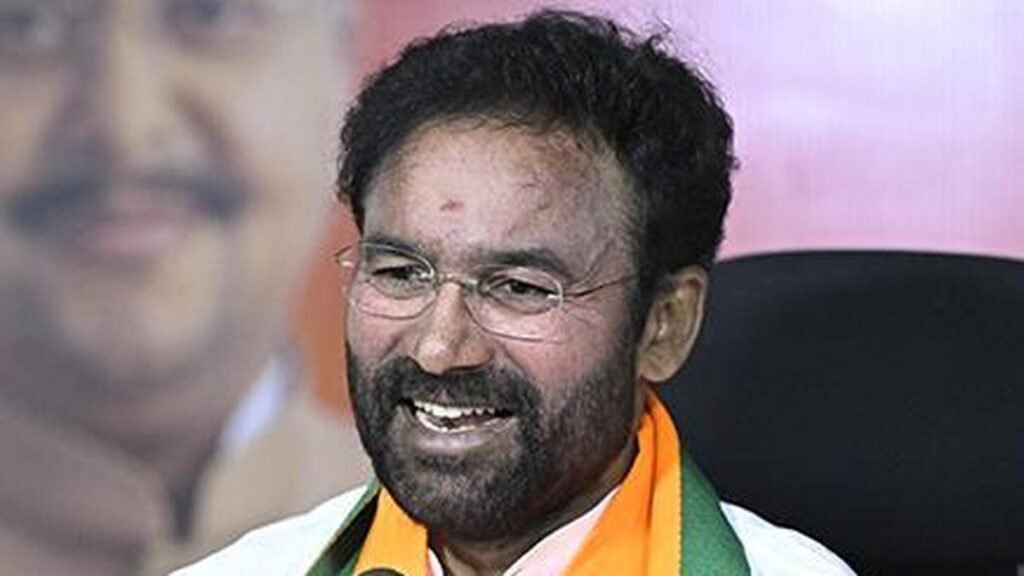
The launch of the round of auctions will be led by the Union Minister of Coal and Mines G. Kishan Reddy and the Minister of State Satish Chandra Dubey.
Before the round six rounds of auctions have been completed and 46 mineral blocks have been auctioned.
This has shown increasing industry participation and growing confidence in Indias mining sector.
However some earlier auctions faced problems, such as bidder participation and cancellation of some blocks due to insufficient bids.
To address these issues the Government of India has introduced reforms, such as procedures, faster approvals and reduced delays.
These reforms aim to make India more attractive for mining investments.
The auctions are expected to have an economic impact, including boosting GDP, generating employment and increasing state revenue.
The strategic importance of these auctions for India cannot be overstated.
India aims to achieve zero emissions and clean energy targets and critical minerals are essential for this transition.
India also wants to become a hub for electric vehicle manufacturing and reduce its dependence on suppliers.
In the context China dominates the production and processing of rare earth elements which gives it a strategic advantage.
Western countries are responding by investing in mineral security and forming partnerships.
India is auctioning mines and investing abroad to secure its supply of critical minerals.
However mining also has impacts, such as deforestation, water pollution and land degradation.
The Government of India has put in place safeguards, such as clearances and sustainable mining practices to balance economic growth and environmental protection.
Looking ahead there are challenges to be addressed such as exploration risks, investment hurdles and global competition.
The future outlook is positive with plans for more auction rounds, international collaborations and development of domestic supply chains.
India aims to become a hub for critical minerals and a leader in clean energy technologies.
The launch of the round of critical and strategic mineral auctions marks a significant milestone in Indias economic and strategic journey.
The key takeaways are that 19 mineral blocks will be auctioned, with a focus on minerals like Lithium and Rare Earth Elements, which will strengthen supply security and support clean energy and electric vehicle growth.
This initiative is not about mining; it is about economic growth, technological advancement, national security and global competitiveness.
As the world moves towards an digital future control over critical minerals will define the economic power of nations and Indias proactive approach positions it strongly, in this global race.