Iran war impact: Pesticide industry warns of price rise, spread of fake materials
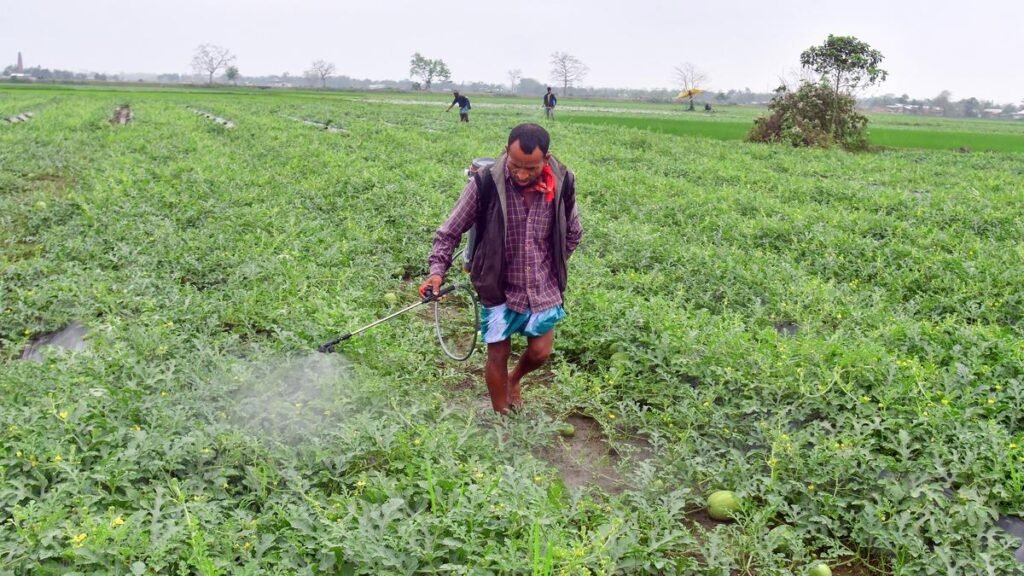
The ongoing conflict in West Asia particularly involving **Iran** has triggered a chain reaction across industries. One of the affected sectors in **India** is the **pesticide** (crop protection) industry, which plays a critical role in ensuring agricultural productivity and food security.
Industry bodies and experts have warned that the war is likely to increase **pesticide prices** significantly. Encourage the spread of **counterfeit** (fake) **agrochemicals** in the market. These developments could have implications for **farmers**, agricultural output and the broader economy.
Let’s explore this issue in detail.
1. Background: Why the **Iran War** Matters for **India’s Pesticide Industry**
The *pesticide industry** does not operate in isolation. It is closely linked with:
* crude **oil prices**
* Chemical supply chains
* Shipping and logistics routes
* Raw materials sourced from **West Asia**
The **Iran war** has disrupted all of these simultaneously.
Key reasons for impact:
The **Middle East** is a supplier of **petrochemical feedstocks**
Shipping routes like the **Strait of Hormuz** are affected
**Freight** and **insurance costs** have increased sharply
**Energy prices** have surged
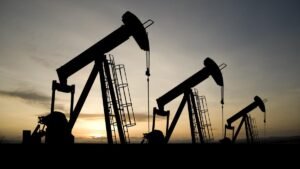
According to industry estimates **India’s pesticide sector** is heavily dependent on imported inputs derived from ** oil** and **petrochemicals**. When these inputs become expensive or scarce production costs rise immediately.
2. Sharp Rise in Input Costs (20–25%)
One of the direct impacts of the **Iran war** is the increase in input costs for **pesticide manufacturing**.
Industry body **CropLife India** has warned of a 20–25% rise in input costs
materials like:
* **Solvents**
* **Intermediates**
* **Petrochemical derivatives**
have become more expensive due to rising **oil prices** and supply disruptions.
Why costs are rising:
** oil prices** influence chemical prices directly
**Logistics costs** (shipping, insurance) have surged
Supply bottlenecks due to war-related disruptions
The **chemical sector** overall is facing a ” shock” of higher raw material costs and logistical delays
3. Supply Chain Disruptions
The **Iran war** has severely disrupted supply chains, especially those connected to the **Middle East**.
Major disruptions include:
* **Shipping delays** due to conflict zones
* **Rerouting of cargo ships** ( delivery times)
* **Higher freight charges**
* **Limited availability of chemicals**
In some cases:
* **Freight costs** have doubled
* **Delivery times** increased by 25–30 days
This creates shortages of **pesticide ingredients** during critical agricultural seasons.
4. Risk of **Pesticide Shortages**
The biggest concern is that **India** may face shortages of **pesticides** during cropping seasons like **Kharif**.
According to industry experts:
* **Supply disruptions** may lead to availability of **crop protection products**
* This can directly affect:
. *Crop yields**
+ **Quality of produce**
Why this is dangerous:
* **Farmers** rely on **pesticide use**
* **Delays** or **shortages** can lead to **pest attacks**
* **Crop damage** can reduce **food production**
In a country like **India** where **agriculture** supports millions of livelihoods this becomes an economic and social issue.
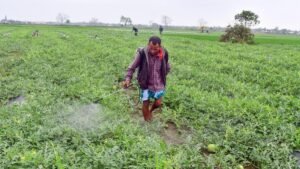
5. Price Rise for **Farmers**
As input costs rise companies are likely to pass on the burden to **farmers**.
Expected outcomes:
* **Increase in pesticide prices**
* **Higher cost of farming**
* **Reduced profit margins** for **farmers**
This adds to existing challenges such as:
* **Rising fertilizer prices**
* **Increasing fuel costs**
* **Climate-related uncertainties**
The **war** has already triggered **price increases** across industries to rising **energy** and **raw material costs**
6. Impact on **MSMEs** (Small Manufacturers)
**India’s pesticide industry** includes *Micro, Small and Medium Enterprises (MSMEs)**.
These companies are particularly vulnerable because:
* They have *limited financial resources**
* They cannot absorb rising costs easily
* They depend heavily on **imports**
Industry leaders have warned of:
* **Lower production capacity**
* **Reduced profitability**
* **Job losses** in the sector
7. Spread of ** Counterfeit) Pesticides**
One of the most alarming consequences of the crisis is the rise in **counterfeit (fake) agrochemicals**.
Why fake products increase:
* **Shortage** of products
* **High prices** make fake alternatives attractive
* **Weak monitoring** during supply disruptions
Industry bodies have clearly warned that:
* **Supply gaps** could lead to circulation of **illicit** and ** products**
8. Dangers of ** Pesticides**
**Fake pesticides** pose serious risks to:
(a) **Farmers**
* **Ineffective pest control**
* **Crop damage**
* **Financial losses**
(b) **Consumers**
* **Chemical residues** in food
* **Health risks**
(c) **Environment**
* **Soil degradation**
* **Water contamination**
**India** has already experienced the dangers of ** pesticide use** in cases like the **Endosulfan tragedy** which caused severe **health issues** and **environmental damage**
9. Economic Impact on **Agriculture**
The effect of:
* **Higher prices**
* **Shortages**
* **Fake products**
can significantly impact **agriculture**.
Possible outcomes:
* **Lower crop yields**
* **Reduced farm income**
* **Higher food prices**
Globally experts warn that disruptions in **fertilizers** and **agrochemicals** could even impact **food security** if conflicts continue
10. Link Between **Oil Prices** and **Pesticides**
**Pesticides** are derived from **petrochemical products** which makes them highly sensitive to **oil prices**.
Impact chain:
* **Iran War** → **Oil prices rise** → **Chemical costs increase** → **Pesticide prices rise**
For example:
* **Chemical** and **packaging costs** have surged due to **oil-linked inputs**
Thus the *pesticide industry** is indirectly but strongly affected by **geopolitical tensions**.
11. Impact on **Chemical Industry**
The **pesticide sector** is part of the broader **chemical industry**, which’s currently under stress.
Issues faced:
* **Rising feedstock costs**
* **Reduced gas supply**
* **Production cuts**
In some clusters:
* **Chemical prices** have risen by 30–40% due to **supply constraints**
This further increases **pesticide production costs**.
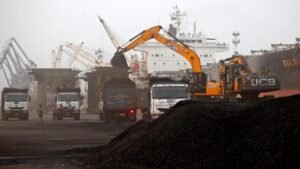
12. Logistics and Trade Challenges
**Shipping disruptions** are another factor.
Problems include:
* **Increased insurance costs**
* **Risk of attacks** in conflict zones
* **Longer trade routes**
The **Strait of Hormuz** is especially critical:
* A large portion of *oil** and **chemical trade** passes through it
Any disruption here leads to global **supply shocks**.
13. Impact on **Employment**
The **pesticide**. **Chemical industries** employ millions of people.
Due to rising costs and reduced production:
* **Factories** may operate at capacity
* **Hiring** may slow down
* **Layoffs** could occur
**MSMEs** are at the risk.
14. Government Role and Policy Measures
Industry leaders have urged the government to take action:
* **Support** for production
* **Energy subsidies**
* **Faster import clearances**
* **Strong monitoring** against ** products**
The government may also need to:
* **Ensure availability** of inputs
* **Control inflation** in the *agriculture sector**
15. Long-Term Structural Issues
The crisis highlights structural problems:
(a) **Import Dependence**
**India** relies heavily on imported:
* **Crude oil**
* **Chemicals**
* **Agro inputs**
(b) **Supply Chain Vulnerability**
Global conflicts can disrupt industries quickly.
(c) **Need for Self-Reliance**
The situation reinforces the importance of:
* **Domestic manufacturing**
* **Diversified supply sources**
16. Impact on **Food Prices**. *Inflation**
If **pesticide prices** rise:
* **Farming costs** increase
* **Crop output** may decline
This can lead to:
* **Higher food prices**
* **Increased inflation**
This is particularly concerning in **India**, where **food inflation** directly affects millions of households.
17. Comparison with Sectors
The **pesticide industry** is not alone.
Other affected sectors include:
* **Pharmaceuticals**
* **Fertilizers**
* **FMCG**
* **Chemicals**
For example:
* **Drug raw material costs** have doubled in some cases due to **crude oil price rise**
This shows the economic impact of the **war**.
18. Future Outlook
The future depends on how the conflict continues.
Scenario 1: **Short-term conflict**
* **Temporary price rise**
* **Supply chain recovery**
Scenario 2: ** war**
* **Sustained high prices**
* **Chronic shortages**
* **Increased counterfeit products**
Experts warn that **prolonged instability** could create long-term disruptions in **agriculture** and **industry**.
19. Key Challenges Ahead
The **pesticide industry** faces challenges:
* **Rising input costs**
* **Supply shortages**
* **Fake products**
* **Regulatory pressures**
* **Farmer affordability issues**
Balancing all these factors will be difficult.
The **Iran war** has exposed the interconnectedness of global industries. The **Indian pesticide sector** though distant from the conflict is heavily affected due to its reliance on global **supply chains** and **petrochemical inputs**.
Key takeaways:
* **Input costs** may rise by 20–25%
* **Supply disruptions** could cause **shortages**
* **Fake pesticides** may spread in the market
* **Farmers** and **food security** could be impacted
This situation highlights the need for:
* **Strong regulatory mechanisms**
* **Domestic manufacturing capacity**
* **Supply chain diversification**
If not managed properly the crisis could have lasting effects, on **agriculture**, the **economy** and **consumer prices** in **India**.