1,000 Indians still in Iran; 23,000 students in Gulf could not appear in CBSE exams: External Affairs Ministry
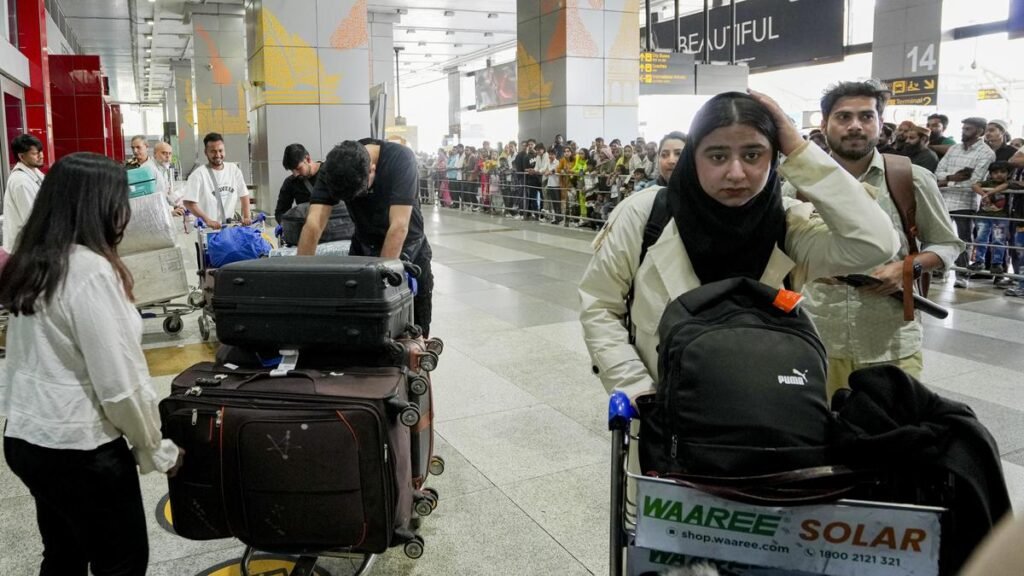
The Ministry of External Affairs informed a panel that:
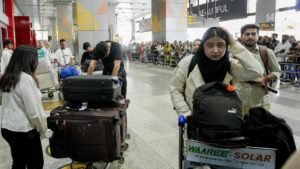
* Around 1,000 Indian citizens are still in Iran.
* About 23,000 Indian students in Gulf countries were unable to take CBSE board exams.
This situation happened because of the conflict in West Asia, which has disrupted normal life, travel and education.
### Background: What’s Happening in the Region?
1. The West Asia / Iran Conflict
The crisis started with tensions between Iran, Israel and the United States. This included airstrikes and instability.
The conflict got worse in 2026. It affected airspace, transportation and safety.
Many countries in the Gulf region are indirectly impacted.
This led to:
* Flight disruptions
* Safety concerns
* Closure of institutions including schools
### Indians in Iran: Why Are 1,000 Still There?
2. Indian Presence in Iran
India has citizens in Iran including students, workers and business professionals.
Despite efforts to evacuate:
* Around 1,000 Indians remain in Iran.
* Not all of them want to leave
Reasons some Indians stayed:
* professional commitments
* Belief that conditions may stabilize
* No immediate danger in areas
### Government Response
India previously conducted evacuation missions like Operation Sindhu.
The government continues to:
* Monitor safety
* Coordinate with embassies
* Provide assistance if evacuation is needed
### CBSE Crisis: 23,000 Students Affected
3. Who Are These Students?
The affected students are students in CBSE-affiliated schools abroad mainly in Gulf countries like:
* UAE
* Saudi Arabia
* Qatar
* Kuwait
* Oman
* Bahrain
* Iran
These students follow the curriculum through the Central Board of Secondary Education (CBSE).
### Why Could They Not Appear in Exams?
The reasons are linked to the conflict:
* Safety concerns
* Risk of missile attacks and instability
* School closures
* Travel restrictions
* Government decisions to cancel or postpone exams
### Impact on Students
#### Academic Impact
Not taking exams affects:
* Final board results
* College admissions
* Career planning
Board exams (Class 10 & 12) are crucial in India. They determine:
* Stream selection (Science/Commerce/Arts)
* Eligibility for education
#### Psychological Impact
Students faced:
* Stress and anxiety
* Uncertainty about results
* Fear of losing a year
Many had prepared for months making the disruption harder.
### CBSE’s Response: Alternative Evaluation System
#### What Did CBSE Do?
Since exams couldn’t be conducted CBSE introduced an assessment scheme.
Key features:
* Marks calculated using exam performance, internal assessments and best subject averages
* Different formulas depending on the number of exams attempted
Example:
* If a student appeared in 3 exams the average of the 2 subjects is used.
#### Goal of the New System
CBSE aims to:
* Ensure fairness
* Avoid loss
* Provide results on time
CBSE confirmed that results will be declared with students with no major delay expected.
### Government Coordination
#### Role of Ministries
The issue is being handled by:
* MEA (External Affairs Ministry)
* Ministry of Education
* CBSE Board
Key actions:
* Discussions on student relief measures
* Planning evaluation
* Monitoring citizens abroad
### Larger Impact of the Crisis
#### On Indian Diaspora
India has millions of citizens in the Gulf region. The crisis affects:
* Employment
* Safety
* Travel
* Education
There are concerns about:
* Evacuation preparedness
* relations
* Economic impact (oil, trade)
#### On Education System
This event highlights:
* Global Nature of Indian Education: CBSE operates internationally.
* Vulnerability to Conflicts: Even Indian students abroad are affected.
* Need for Flexible Systems: Alternative evaluation methods are now essential.
### Challenges Faced by Authorities
#### Key Difficulties
1. Ensuring evaluation: Students wrote different numbers of exams.
2. Maintaining standards: Avoid bias or unfair advantage.
3. Managing numbers: 23,000 students is a huge group.
4. Communication: Keeping students and parents informed.
### Comparison with Past Situations
#### Cases
* COVID-19 Pandemic (2020–21): Exams cancelled, results based on internal assessment.
* War/Evacuation Situations:. Increasing due to global instability.
This situation is similar but more complex due to:
* International locations
* War-related uncertainty
### Future Implications
#### What Could Happen Next?
* For Students: Results declared through system possible improvement exams later.
* For Government: evacuation planning, stronger global coordination.
* For CBSE: flexible exam policies, digital/remote evaluation systems.
### Key Takeaways (Summary)
* Around 1,000 Indians remain in Iran amid conflict.
* 23,000 CBSE students in Gulf countries missed exams.
* The disruption is due, to West Asia tensions.
* CBSE introduced an evaluation system.
* The government is coordinating efforts to support citizens and students.
This situation shows how global conflicts can impact education and citizens abroad. The Indian government and CBSE have taken steps to minimize damage. The crisis highlights the importance of crisis preparedness, flexible education systems and strong diplomatic support.
For students this is a time—but alternative systems aim to ensure their academic future is not compromised.