Fuel crisis LIVE: Consumer protection watchdog warns restaurants against levying gas, LPG charge
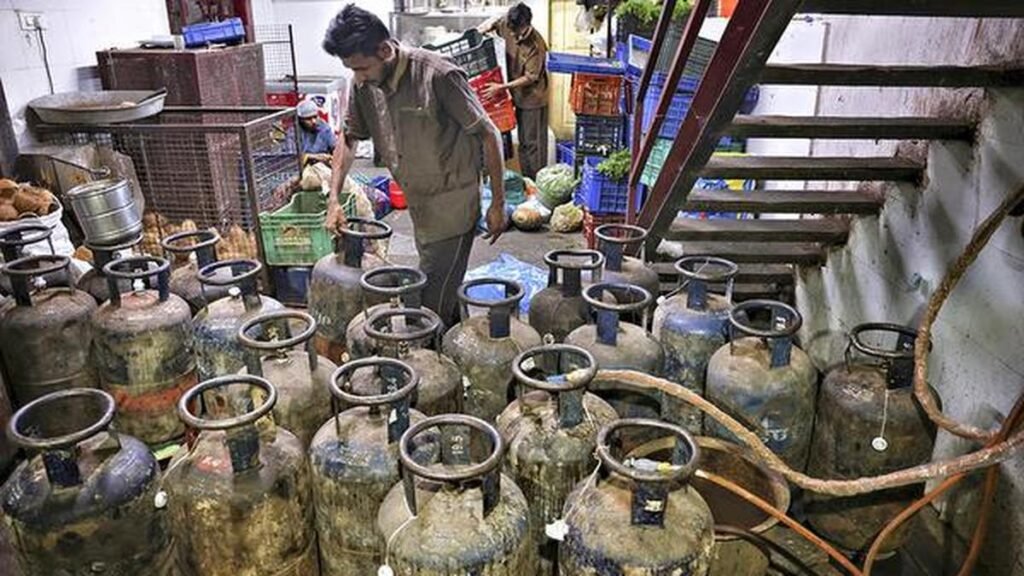
The fuel crisis in India, which’s about LPG has led to a big response from the government. This is because restaurants were adding LPG charges to customer bills. The consumer protection watchdog has now warned hotels and restaurants about this.
1. What is the latest development?
Indias top consumer group, the Central Consumer Protection Authority has told hotels and restaurants that they cannot add charges like LPG charge, gas surcharge or fuel cost recovery. These charges are unfair and against the Consumer Protection Act, 2019.
The government has made it clear that restaurants must include all costs, like fuel and electricity in their menu prices. Customers should not have to pay hidden charges. If restaurants do not follow this rule they can face action.
Customers can ask restaurants to remove charges and file complaints if needed.
2. Why were restaurants charging LPG or fuel fees?
This happened because of the LPG crisis. The price of LPG cylinders increased sharply from around ₹1,800 to ₹5,000-₹7,000 in some places. In some cases the price was as high as ₹400-₹600 per kg on the market. This meant that restaurants had to pay 2-4 times more for cooking fuel.
There were also supply shortages with many restaurants not getting LPG cylinders or facing delayed refills. Some restaurants even had to shut down or reduce their menus and working hours.
To survive restaurants started adding “gas surcharge” to bills or increasing menu prices. Some customers even saw 5% gas fees added to their bills.
3. Root cause: The global fuel crisis
The LPG shortage in India is connected to geopolitics. The conflict in West Asia involving Iran affected fuel supply chains. The Strait of Hormuz a route was impacted and this mattered because India imports around 60% of its LPG with 90% passing through this route.
The supply chain disruption led to reduced imports and lower availability of LPG. Panic buying increased demand and daily bookings for LPG cylinders surged. The government had to prioritize households over commercial users like restaurants, which created a shortage for hotels, dhabas and street vendors.
4. Impact on restaurants and food industry
The LPG crisis has had consequences for the food sector. Many consumers noticed restaurant prices with food costs increasing by 10-25% in some cases. Small vendors and eateries temporarily shut operations. Struggled to afford fuel.
Restaurants removed dishes that needed cooking reduced frying-based items and cut operational hours. Some businesses even switched to fuels like firewood or charcoal but these are less efficient and sometimes more expensive.
5. Impact on consumers
The LPG crisis has made eating out more expensive affecting students, daily wage earners and office workers. Consumers faced charges in bills and a lack of transparency. Affordable food options became limited in urban areas.
6. Why the government banned LPG charges
The governments decision is based on consumer rights principles. Customers should know the final price upfront and hidden charges are misleading. The government observed that restaurants were using LPG charges to bypass service charge rules and inflate bills, which’s an unfair trade practice.
Restaurants must include costs like fuel, electricity and rent in menu pricing not add them
7. Legal implications for restaurants
Restaurants that violate the rule may face penalties under the Consumer Protection Act, 2019 and investigation by authorities. They may even face fines or legal action. The important rule is that charges cannot be automatic, mandatory or hidden.
8. What should consumers do?
If customers see LPG or gas charges on their bill they should ask for removal refuse to pay extra and file a complaint if needed. They can call the National Consumer Helpline. Use online grievance portals.
9. Broader economic implications
The LPG crisis reflects structural issues, like Indias dependence on imports and vulnerability to global conflicts. The fuel crisis also leads to inflation pressure with the fuel to food to inflation chain affecting the economy. The informal sector, like street vendors is hit hardest with no buffer.
10. Government response beyond warning
The government has taken steps like increasing LPG allocation promoting piped gas and monitoring supply chains. They are also cracking down on marketing and tracking daily supply.
11. Challenges ahead
Despite these measures several issues remain, like supply-demand mismatch, import dependency and infrastructure gaps. Rising global tensions also pose a challenge.
12. Future outlook
In the term prices are likely to remain volatile and restaurants may increase menu prices instead of hidden charges. In the term there may be an expansion of piped gas networks and diversification of LPG import sources. In the term there may be a shift toward electric cooking, renewable energy and energy security policies.
13. Key takeaway
The LPG surcharge controversy is not about billing; it is a reflection of a global fuel crisis, supply disruptions and business survival struggles. The governments message is clear: no hidden charges are. Businesses must maintain transparent pricing. Consumers have the right to billing.
The fuel crisis in India has exposed the balance between business sustainability and consumer rights. While restaurants are under pressure due to skyrocketing LPG prices and shortages passing these costs directly as separate charges is not legally acceptable. The intervention by the consumer watchdog ensures protection of customers, transparency in billing and accountability in the hospitality sector. However the deeper issue of Indias dependence, on energy supply chains remains a challenge that will require long-term structural solutions.