Anupam Mittal recreates Akshaye Khanna’s viral ‘FA9LA’ hookstep

Anupam Mittal, as he recreates Akshaye Khanna’s viral “FA9LA” hook step, is a perfect example of how pop culture, cinema, and social media trends meet in today’s digital-first India. What began as a brief cinematic moment has now evolved into a nationwide meme sparking laughter, creativity, and conversation across generations. When an influential entrepreneur like Anupam Mittal joins in on such a trend, it adds another layer to the relevance of proving that viral culture now doesn’t belong just to the actors or specific social media influencers, it belongs to anyone with a sense of timing and humor.
The “FA9LA” hookstep has its origin in the peculiar on-screen persona of Akshaye Khanna. These were the hallmarks of intense acting, restrained expressions, and intelligent roles that Akshaye Khanna had while avoiding the stereotype typical Bollywood hero. His characters often exude an emotional depth and restrain, with their sudden, sharp intelligence. The movement of his body was exaggerated, yet somehow calculated, with a dramatic expression from him-an instant sign that this shot was just going to get latched onto by the audience. The step was simple, yet memorable, serious in context, and hilarious when in isolation.
But what really made the “FA9LA” moment go viral was the power of social media to reframe cinematic seriousness as comedy. The scene was clipped into short video platforms such as Instagram Reels, YouTube Shorts, and X, added background music to, exaggerated captions, and voiceovers for humor. The word “FA9LA,” stylized with the number 9 to represent a dramatic pause or emphasis, became shorthand for overthinking, exaggerated decision-making, or mock seriousness in everyday situations.
The scene worked for Akshaye Khanna because it was something one sees in real life. People jokingly did the hookstep every time they were faking it-when deciding what to eat, typing a reply to an SMS, or reacting to drama at work. The universality of the emotion behind the gesture is what gave it legs. It wasn’t just funny; it was relatable. The step became symbolic of those moments when people act more serious than the situation actually demands.
Enter Anupam Mittal, an entrepreneur, investor, and public figure most known for founding Shaadi.com and being one of the prominent sharks on Shark Tank India. Anupam Mittal has managed to keep a public image blending business acumen with wit, self-awareness, and a strong social media presence. Unlike many other heads of corporations who keep a formal public image, Mittal often engages in timely trends, memes, and cultural conversations that make him highly relatable among the young.
The effort of Anupam Mittal to recreate Akshaye Khanna’s “FA9LA” hookstep immediately caught public attention. To see a successful entrepreneur, usually typed for boardrooms, valuations, and startup pitches, participate in a light-hearted viral trend, was a stereotype broken. It humanized him further and showed humor and fun are not age- or profession-bound. His was not a perfect recreation for better or for worse in terms of dance moves but all about timing, expression, and self-awareness.
The charm of Anupam Mittal’s version lay in its simplicity. He didn’t overdo the step or try to add unwanted dramatics to it. To the contrary, he stuck with the essence of the original: controlled movement, expressive face, and a knowing smile. That restraint felt similar to Akshaye Khanna’s acting style and indicated that Mittal got the joke, rather than simply mimicking it. People like authenticity, and more often than not, that is the dividing line between a cringy attempt and a viral hit.
Social media users went into a frenzy. The comments poured in, complimenting Anupam Mittal’s sense of humor; he was termed “the coolest shark.” Moreover, kudos were extended to him for managing to keep himself relevant with the culture. Teasers flowed in, with many making light jokes that he was like investing a billion dollars using the step “FA9LA”. Others furthered this video by editing it into dramatic background music. The response highlighted how humor can bridge the gap between different professional worlds.
This moment is part of a larger cultural shift in the way Indian entrepreneurs look to present themselves to the world. The days when business leaders were remote figures are gone. Today’s audiences want relatability, transparency, and personality. TV shows like Shark Tank India have been instrumental in this transition because they make the investors into celebrities. When someone like Anupam Mittal owns a meme, it sends down the message that business success and cultural participation can coexist.
Another interesting perspective of this trend is how it salutes Akshaye Khanna in a very unusual way. Unlike the tributes given to stars by fans, which are rather conventional, this “FA9LA” hookstep fetes his oddity, rather than glamourizing him. It showed how even the most serious actors became meme legends-not due to enforcing comedy on themselves but because of their raw selves. Akshaye Khanna, at that point, being able to grab everybody’s attention with a minimal display of his body is precisely what made that moment iconic.
The virality of the hookstep also speaks volumes about modern storytelling. In an era of short attention spans, even a few seconds of screen time can leave a lasting impression if executed well. Filmmakers today are increasingly aware that certain moments may transcend the film itself and live on as internet culture. While the original scene may not have been designed as a meme, its cinematic clarity made it perfect for digital reinterpretation.
The participation of Anupam Mittal further ignites the thin line between entertainment and entrepreneurship, showing the world that cultural relevance is no longer locked within actors, musicians, or influencers. Literally, anyone with a recognizable public presence can be a part of the viral ecosystem. This democratization of fame thus allows different voices to engage with trends on equal footing, enriching the digital conversation.
From a branding perspective, this is invaluable. As Anupam Mittal did here, without talking about any product or service, he reminded people of his personal brand: affable, current, and trendy. This is organic engagement, and oftentimes, it bears more influence than traditional marketing. It fosters emotional connection rather than mere transactional awareness, which is important in an age where audiences are skeptical of overt advertising.
The “FA9LA” hookstep trend also explains how humor has turned into a coping mechanism in digital culture. In a world swarmed with news, pressure, and competition, frivolous trends seem to offer people bated breath as one. It gives this feeling of shared experience to people when they watch familiar faces-actors or entrepreneurs-participating in harmless fun. It reminds people that everybody loves a good laugh-whatever the status.
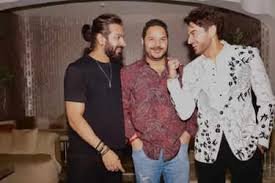
Akshaye Khanna’s reaction, or rather the lack of an exaggerated reaction, fitted to perfection in his persona. Not exactly known to be into social media frenzy, he has left the meme well alone. This silence has added to the mystique, in fact. It reinforces his image as someone who lets his work speak for itself while the audience does the rest. The “FA9LA” hookstep will soon go the way of all trends, but what it spoke to will remain-a snapshot of how Indian pop functions today. This is the power of little moments, the role of amplified social media, and the pure joy of participation from unexpected quarters. Anupam Mittal recreating the step is not just a fun clip, but a reflection of cultural fluidity where business, cinema, and humor mix. Ultimately, this viral moment serves as a reminder that relatability is the new currency of influence. Whether an intense Bollywood actor or an entrepreneur shaping the Indian startup ecosystem, what matters is your connect with people at a human level. By re-enacting Akshaye Khanna’s “FA9LA” hookstep, Anupam Mittal proved that sometimes, more than formal speeches or strategically crafted announcements, it’s a simple gesture and shared laugh that say it all. In the end, Anupam Mittal’s recreation of the “FA9LA” hookstep stands out as a dizzyingly delightful example of how crossover moments make modern Indian culture come alive. It celebrates creativity, humor, and connection-all that reminds us of how viral trends aren’t all about visibility; it’s all about shared joy. In a fast-moving digital world, these are moments that act as bookmarks of culture: small, funny, and, quite often, with meaning.