Rupee closes at record low of 94.05 against U.S. dollar
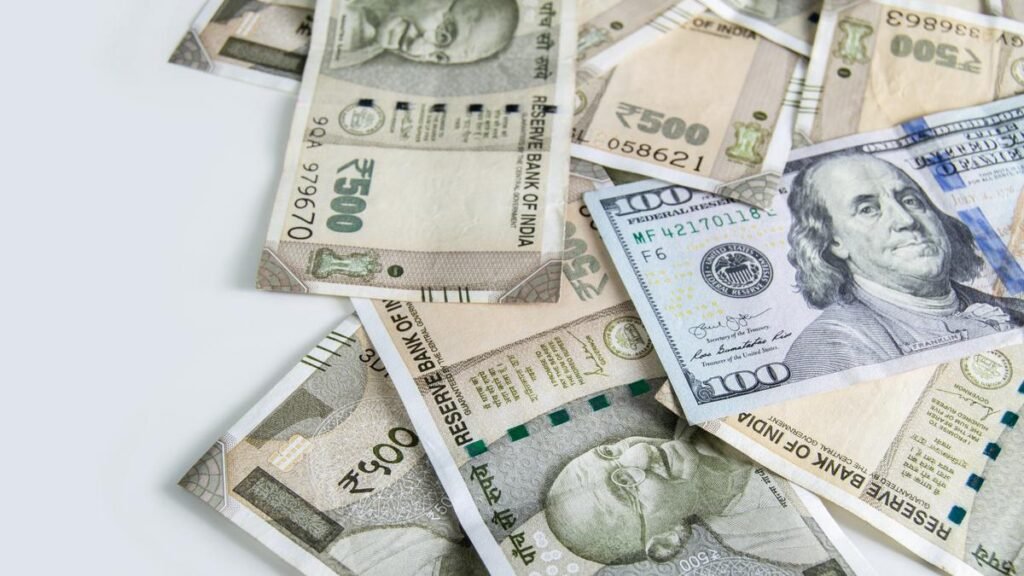
The Indian rupee has closed at a record low of ₹94.05 against the US dollar. This is a deal for Indias economy. To understand what is happening we need to look at what currency depreciation means why it is happening, what is driving the rupee down and how it will affect Indias economy, businesses and people.
1. Understanding Currency Depreciation
When a countrys currency loses value compared to another currency it is called currency depreciation. In this case the Indian rupee has become weaker against the US dollar. This means it takes Indian rupees to buy one US dollar than it did before.
This is not a number it shows how strong or weak Indias economy is compared to the US. If the Indian rupee is weak it means people want to buy US dollars than they want to buy Indian rupees.
2. Why the US Dollar Matters Globally
The US dollar is the important currency in the world. Most countries use the US dollar to buy and sell things. This gives the US dollar a lot of power over the economy.
When the US dollar becomes stronger it can cause problems for countries like India. Their currencies become weaker. Investors take their money out of these countries and put it into the US.
3. Key Reasons Behind the Rupees Fall to ₹94.05
(a) Strong US Dollar
One of the main reasons the Indian rupee is falling is because the US dollar is becoming stronger. This happens when the US economy is doing well interest rates are high. Investors think the US is a safe place to put their money.
When interest rates are high in the US investors sell their rupees and buy US dollars. This puts pressure on the Indian rupee.
(b) Rising Crude Oil Prices
India imports a lot of oil and when oil prices rise India needs to buy US dollars to pay for it. This increases the demand for US dollars. Makes the Indian rupee weaker.
(c) Foreign Investors Leaving India
When foreign investors take their money out of India they sell their assets and convert their Indian rupees to US dollars. This increases the demand for US dollars. Makes the Indian rupee weaker.
(d) Trade Deficit
When India imports more than it exports it creates a trade deficit. This means India needs to buy US dollars to pay for its imports, which makes the Indian rupee weaker.
(e) Geopolitical Tensions
When there are problems in the world like wars or conflicts investors get nervous. Want to put their money in safe places like the US. This can make the US dollar stronger. The Indian rupee weaker.
(f) Domestic Economic Concerns
Indias own economic problems like inflation and a fiscal deficit can also make the Indian rupee weaker.
4. Role of the Reserve Bank of India (RBI)
The RBI plays a role in managing the Indian rupee. The RBI can use its tools like selling US dollars to support the rupee. However the RBI does not try to fix the exchange rate. Instead it tries to reduce volatility and prevent panic in the market.
5. Impact on the Economy
(a) Imports Become Expensive
When the Indian rupee is weak imports become more expensive. This means people and businesses have to pay more for things like oil, electronics and machinery.
(b) Inflation Rises
When imports are more expensive it can cause inflation. This means prices rise and peoples purchasing power decreases.
(c) Exports Become Competitive
A Indian rupee can be good for exporters. It makes Indian goods cheaper for other countries to buy.
(d) Impact on Businesses
A Indian rupee can be bad for businesses that import things but it can be good for businesses that export things.
(e) Effect on Stock Markets
Currency depreciation can affect the stock market. Investors may sell their stocks. The market may become volatile.
6. Impact on Common People
The rupees fall affects peoples daily lives. Petrol and diesel become more expensive imported goods become more expensive. Traveling abroad becomes more expensive.
7. Historical Perspective
The Indian rupee has been falling over the years. This is because of differences in inflation, structure and global financial dynamics.
8. Is an Indian Rupee Always Bad?
No a weak Indian rupee is not always bad. It can be good for exports and domestic production. However it can also cause inflation. Increase import costs.
9. Governments Response
The Indian government can respond to the Indian rupee by encouraging exports reducing import dependence and promoting domestic manufacturing.
10. Global Comparison
Many emerging market currencies are facing pressure, not the Indian rupee. This is because of the US dollar and global economic trends.
11. Future Outlook
The future of the rupee depends on many factors, like GDP growth, inflation and foreign investment. While there are risks most experts think the Indian rupee will remain under pressure but not collapse.
The Indian rupee closing at a record low of ₹94.05 against the US dollar is an issue. It is caused by a mix of domestic factors. While it raises concerns it is not entirely negative. The key challenge, for policymakers is to maintain stability, control inflation and support growth. For citizens and businesses understanding these dynamics can help them make financial decisions.