Govt asks RBI to maintain retail inflation at 4% till Mar 2031
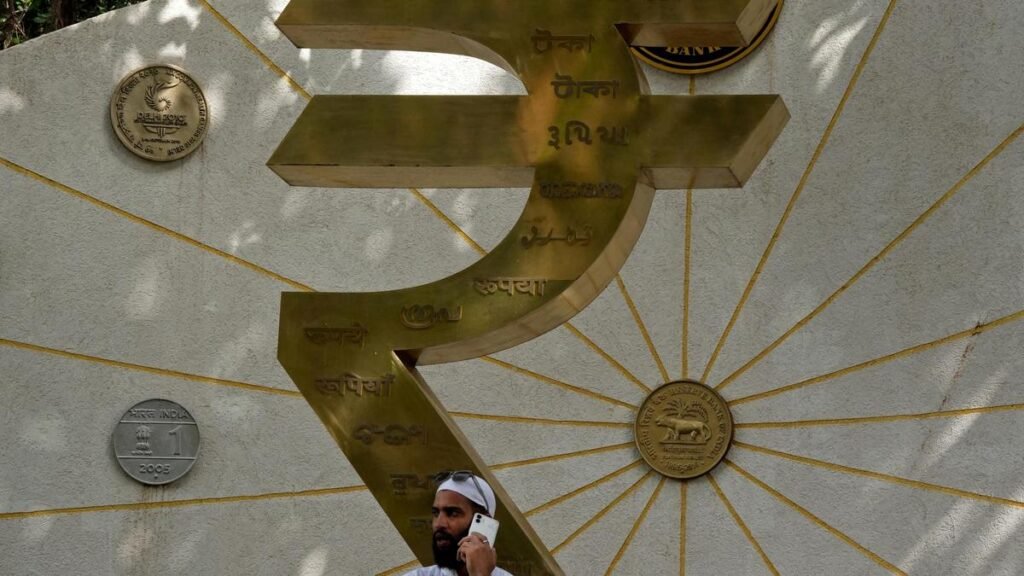
The Government of India has asked the Reserve Bank of India (RBI) to keep inflation at 4% until March 2031. This is a policy decision that shows the government wants to keep prices stable.
1. Background: What is Inflation Targeting?
Inflation targeting is when a central bank, like the RBI sets an inflation rate as its main goal. India started this system in 2016. The RBI has to:
– Keep Consumer Price Index (CPI) inflation at 4%.
– Allow a tolerance band of 2% to 6%.
This means if inflation goes:
– Below 2% it might slow down the economy.
– Above 6% it might cause inflation.
The RBIs Monetary Policy Committee (MPC) decides interest rates to achieve this target.
2. What Does the New Directive Mean?
The government. Resets this inflation target every 5 years. The latest decision continues the target:
– Target inflation: 4%.
– Tolerance band: 2% to 6%.
– Time period: Till March 31 2031.
The main point is that the government is choosing to continue with the policy, which shows confidence in it.
3. Why 4% Inflation Target?
The 4% target is not random. It’s a balance between growth and stability.
– low inflation (<2%): Can slow economic growth discourage spending and investment and risk deflation.
– Too high inflation (>6%): Reduces purchasing power, hurts savings. Creates economic uncertainty.
– 4% works: Supports moderate growth keeps prices stable and aligns with emerging market realities like India.
4. Role of RBI in Achieving This Target
The RBI uses tools to control inflation:
– Repo Rate: The rate at which RBI lends to banks. Higher repo rate makes loans expensive which reduces demand and inflation.
– Reverse Repo Rate: Rate at which RBI borrows from banks. It helps absorb liquidity.
– Open Market Operations (OMO): Buying/selling government securities to control money supply.
– Cash Reserve Ratio (CRR): Portion of deposits banks must keep with RBI.
– Statutory Liquidity Ratio (SLR): Portion of funds banks must invest in safe assets.
5. Monetary Policy Committee (MPC)
The MPC sets interest rates. It has 6 members: 3 from RBI and 3 appointed by the Government. The MPC meets every 2 months to decide the repo rate based on the inflation outlook.
If inflation stays outside the 2-6% band for 3 quarters the RBI must explain the reasons suggest corrective steps and provide a timeline.
6. Importance of Inflation Targeting
– Price Stability: Stable prices help households plan expenses and savings.
– Investor Confidence: Predictable inflation attracts foreign investment.
– Economic Growth: Moderate inflation supports GDP growth.
– Currency Stability: Helps maintain the value of the rupee.
7. Why Extend the Same Target Till 2031?
– Proven Track Record: Since 2016 inflation targeting has reduced inflation volatility and improved policy credibility.
– Global Uncertainty: Events like the pandemic, wars and supply chain disruptions require a stable policy anchor.
– Stability: Changing targets frequently can confuse markets and reduce trust in policy.
8. Challenges in Maintaining 4% Inflation
Maintaining inflation at 4% is not easy due to factors:
– Food Inflation: India heavily depends on monsoon. Crop failures can cause price rises.
– Fuel Prices: India imports oil. Global oil shocks directly affect inflation.
– Events: Wars, trade disruptions and geopolitical tensions.
– Supply Chain Issues: Logistics problems can increase costs.
– Demand Fluctuations: High demand can cause inflation to rise while low demand can cause it to fall.
9. Retail Inflation vs Wholesale Inflation
– Retail Inflation (CPI): Measures price change for consumers. Includes food, fuel, housing. Targeted by RBI.
– Inflation (WPI): Measures price change at the producer level. Not directly targeted.
The focus on CPI reflects concern for citizens cost of living.
10. Impact on Common People
Positive Effects:
– Prices: Predictable cost of living.
– Better Savings: Inflation-controlled environment protects the value of money.
– Lower Uncertainty: Easier financial planning.
Negative Effects (if mismanaged):
– High Interest Rates: Loans become expensive.
– Growth: Businesses may reduce investment.
11. Impact on Economy
– Growth vs Inflation Trade-off: Tight policy can cause inflation but slower growth. Loose policy can cause growth but higher inflation.
– Financial Markets: Stable inflation causes stable stock and bond markets.
– Banking Sector: Interest rates affect lending and deposits.
12. Comparison with Countries
Many countries follow inflation targeting:
– USA (Federal Reserve): around 2%.
– UK (Bank of England): around 2%.
– India: 4% (higher due to developing economy needs).
Indias higher target reflects growth priorities, structural challenges and food inflation volatility.
13. Criticism of Inflation Targeting
– Over-focus on Inflation: Some argue that growth and employment should also be priorities.
– Supply-side Issues: Monetary policy cannot fix food shortages or fuel price shocks.
– Interest Rate Impact: Higher rates may hurt businesses and the housing sector.
14. Coordination Between Government and RBI
For inflation control:
– Government role: Control fiscal deficit manage food supply and reduce taxes on fuel.
– RBI role: Adjust interest rates and manage liquidity.
Both must work together for success.
15. Recent Inflation Trends in India
India has seen periods of inflation especially food-driven and global inflation shocks post-pandemic. The RBI has responded with repo rate hikes and tight liquidity management.
16. Future Outlook (Till 2031)
Key Expectations:
– inflation environment.
– Better policy coordination.
– Improved supply chains.
– Digital economy support.
– Stable growth trajectory.
However risks remain:
– Climate change (affecting crops).
– Oil price volatility.
– conflicts.
17. Why This Decision Matters
This decision is important because it:
– Reinforces policy credibility.
– Provides long-term stability.
– Guides interest rate decisions.
– Signals commitment to discipline.
The Government of Indias decision to ask the RBI to maintain inflation at 4% until March 2031 is a strategic continuation of a successful monetary framework. It reflects confidence in inflation targeting as a tool for ensuring price stability and sustainable economic growth.
While maintaining this target will be challenging due to domestic uncertainties it provides a clear policy direction. The success of this framework will depend on coordination between fiscal and monetary authorities as well as the ability to manage external shocks.
In essence this move is about balancing growth, stability and confidence. For a developing economy like India such balance is crucial, for long-term prosperity.