RBI grants approval to Emirates National Bank of Dubai to acquire up to 74% stake in RBL Bank
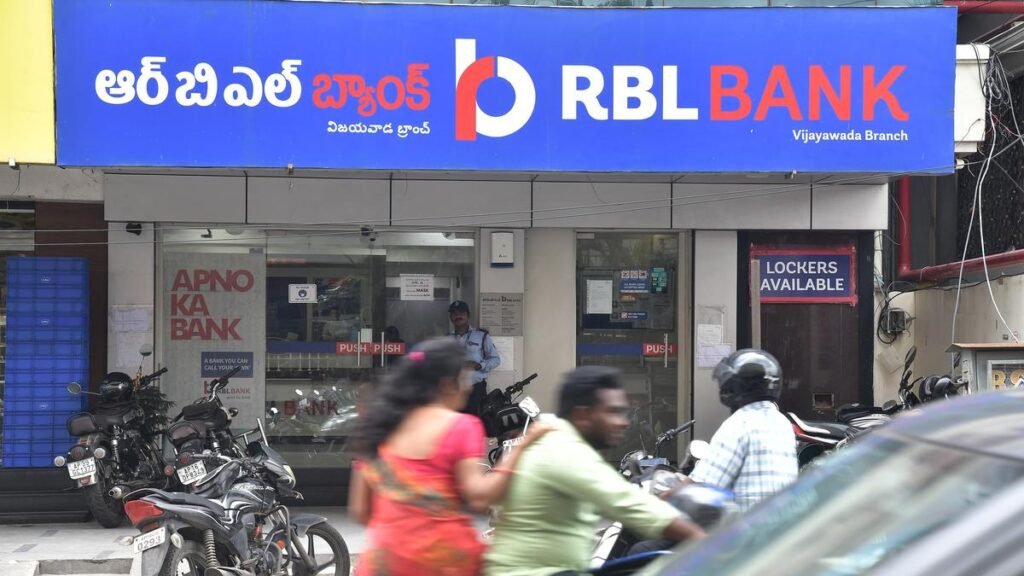
The Reserve Bank of India gave Emirates NBD the okay to buy up to 74% of RBL Bank. This is a deal in Indias banking sector. It shows that foreign investors are getting more confident in India. It also means that there will be some changes in how private banksre owned and run.
1. Background of the Deal
1.1 About the Institutions
RBL Bank is a -sized bank in India. It does a lot of lending gives loans to small businesses and offers credit cards.. It has had some problems with bad loans and making money.
Emirates NBD is one of the banks in the Middle East. The government of Dubai owns most of it. It has a base of money and knows a lot about global banking.
1.2 Timeline of the Deal
In October 2025 Emirates NBD said it wanted to buy 60% of RBL Bank. In January 2026 it got the approval from the Competition Commission of India. Then in April 2026 the Reserve Bank of India said yes to the deal. Now Emirates NBD needs to get approval from SEBI and make an offer to the shareholders.
This deal has gone through a lot of checks. It shows how important and complex it is.
2. Key Highlights of RBI Approval
The Reserve Bank of India did not give a check. It came with some rules.
2.1 Stake and Ownership Structure
Emirates NBD can own up to 74% of RBL Bank.. It cannot have full control over voting. This means Emirates NBD will own most of the shares. It cannot make all the decisions.
2.2 Investment Size
The deal is worth about ₹26,850 crore, which is around $3 billion. This is one of the foreign investments in Indian banking.
2.3 Structure of Acquisition
The deal happens in two parts. First Emirates NBD will put money directly into RBL Bank. Get a controlling stake. Then it will make an offer to the shareholders to buy their shares.
2.4 Change in Bank Status
After the deal RBL Bank will become a foreign bank subsidiary. It will be governed by the Reserve Bank of Indias rules for foreign-owned banks.
3. Regulatory Conditions Imposed by RBI
The Reserve Bank of India has set some conditions to protect the system.
3.1 Voting Rights Restriction
with 74% stake Emirates NBDs voting rights are limited to 26%. This is to prevent one company from having much control.
3.2 Board and Governance Relaxations
The Reserve Bank of India is allowing Emirates NBD to nominate board members. This will make it easier for the bank to transition into ownership.
3.3 Operational Conditions
RBL Bank needs to follow the rules for foreign bank subsidiaries. It needs to change its articles of association and merge Emirates NBDs branches into RBL Bank within a certain time.
3.4 Approval Validity
The Reserve Bank of Indias approval is valid for one year. If the deal is not done within this time the approval may expire.
4. Strategic Importance of the Deal
4.1 For RBL Bank
The deal means RBL Bank will get a lot of money which will strengthen its balance sheet. It will also get credit ratings and access to global expertise.
4.2 For Emirates NBD
The deal means Emirates NBD will enter the market, which is growing fast. It will also get a chance to expand its business and create synergies between India and the UAE.
4.3 For Indian Banking Sector
The deal shows that foreign investors are confident in Indias banking sector. It also means that Indian banks will become more integrated with finance.
5. Economic and Market Impact
5.1 On Stock Markets
RBL Banks shares may go up and down. The open offer will give investors a chance to sell their shares.
5.2 On Banking Competition
The deal will make the banking sector more competitive. Private banks like HDFC Bank and ICICI Bank will face competition.
5.3 On India–UAE Relations
The deal will strengthen the ties between India and the UAE. It will also align with the growing trade partnerships between the two countries.
6. Benefits of the Deal
6.1 For Customers
The deal will mean banking services for customers. They will get access to products and improved digital banking.
6.2 For Investors
The deal may create long-term value for investors. It will also improve the profitability outlook for RBL Bank.
6.3 For Economy
The deal will bring in money into the economy. It will also strengthen the system.
7. Risks and Concerns
7.1 Governance Complexity
The deal may create some governance problems. Emirates NBD will own most of the shares. It will not have full control over voting.
7.2 Integration Challenges
The deal may face some integration challenges. RBL Bank and Emirates NBD have banking systems and cultures.
7.3 Regulatory Dependence
The deal needs approvals from regulators. Delays may impact the deal timeline.
7.4 Foreign Control Concerns
The deal may raise some concerns about control. A strategic sector like banking will be partially controlled by an entity.
8. What Happens Next
The deal is not fully done yet. Emirates NBD needs to get approval from SEBI and the government. It also needs to make an offer to the shareholders and integrate the operations.
9. Broader Implications
9.1 New Trend in Indian Banking
The deal may start a trend in Indian banking. More foreign banks may explore acquisitions in India.
9.2 Policy Shift by RBI
The Reserve Bank of India is allowing ownership in healthy private banks. This shows that the regulator is confident in the sector.
9.3 Globalization of Finance
The deal means that Indian banks will become part of networks. It will also increase capital mobility.
The Reserve Bank of Indias approval for Emirates NBD to acquire up to 74% stake in RBL Bank is a deal. It represents a cross-border banking transaction and a strategic move for both institutions. The deal promises capital, better governance and global integration but it also introduces some challenges. This transaction could become a test case for foreign acquisitions, in Indian banking and shape the sectors direction for years to come.