Delhi HC directs takedown of ‘obscene’ song by Honey Singh, Badshah
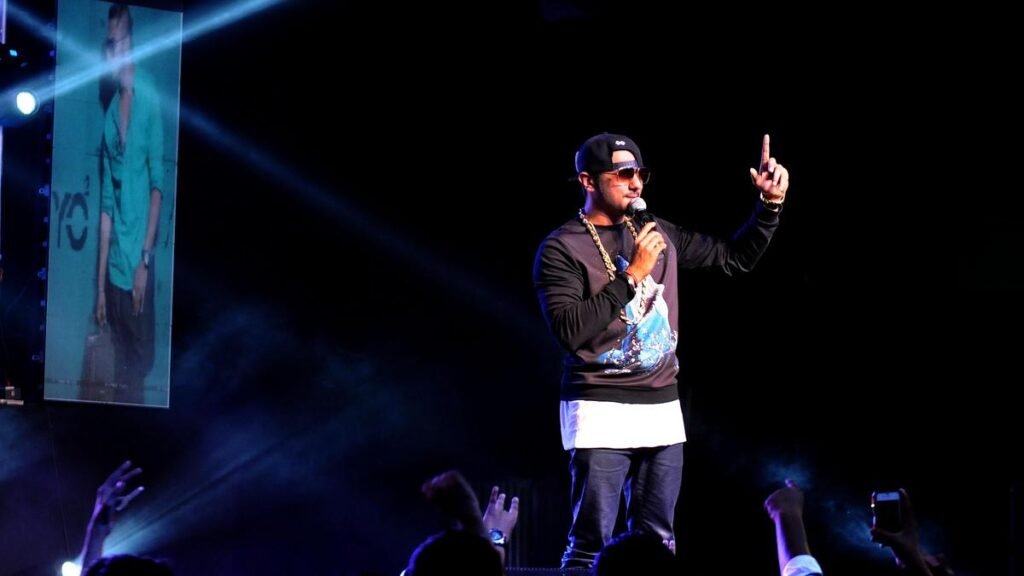
The Delhi High Court has ordered the removal of a song by Yo Yo Honey Singh and Badshah that people think is obscene. This has started a debate about freedom of expression, censorship and the responsibility of artists in Indias digital era.
This case is important because it is about law, morality, digital media regulation and artistic freedom. It is a development in Indias entertainment and legal landscape.
1. Background of the Case
The problem is about a song that was released online and has some things in it. The song has:
* sexual content
* Vulgar lyrics
* Objectification of women
* Language that is deemed offensive to public morality
Someone filed a petition to the Delhi High Court asking for:
* The song to be removed from platforms like YouTube and streaming apps
* action against the creators
* Stronger enforcement of obscenity laws
The person who filed the petition said that songs like this:
* Corrupt young minds
* Promote hatred towards women
* Go against cultural and moral standards
2. Courts Observations and Order
The Delhi High Court took this matter seriously and gave some directions. These directions include:
* Key Directives:
. The song should be taken down from platforms
+ A notice should be given to the artists and the platforms
. The court should think about whether the content’s obscene
* Courts Concerns:
The Court said that:
* There is a growing trend of content in music
* It is easy for minors to access this content on the internet
* There is a lack of accountability in publishing
The judges asked if:
* Creative freedom can override what is considered decent in society
3. Legal Framework: Obscenity Laws in India
To understand the ruling we need to look at the laws.
📜 Section 292 of the Indian Penal Code says that obscenity is content that’s
* Lascivious
* Appeals to peoples interests
* Likely to corrupt viewers
📱 The Information Technology Act, 2000 regulates content and allows the removal of unlawful material
⚖️ The Constitution says that:
* Article 19(1)(a) gives us the freedom of speech and expression
* Article 19(2) says that there can be some restrictions, including decency and morality
The Court has to balance:
* Freedom and restriction
* Artistic expression and public decency
* Creativity and social responsibility
4. Evolution of Obscenity Standards in India
courts have changed their interpretation of obscenity over time.
Key Judgments:
* The Ranjit Udeshi case in 1965 had obscenity standards
* The Aveek Sarkar case in 2014 shifted towards community standards
Now courts consider:
* Context
* Artistic intent
* The overall message
But digital content has made it harder to regulate.
5. Role of Digital Platforms
📺 Platforms like YouTube and streaming apps have changed the music industry.
The rise of platforms like:
* YouTube
* Spotify
* JioSaavn
has changed how music is distributed.
Issues Highlighted:
* Lack of pre-screening
* Algorithm-driven promotion
* Difficulty in content regulation
The Court may also look at:
* Platform liability
* Content moderation policies
* Compliance with law
6. Impact on Artists: Honey Singh and Badshah
Both Yo Yo Honey Singh and Badshah are known rappers in India.
Yo Yo Honey Singh is known for his party songs. Has faced criticism for his lyrics that hate women.
Badshah has worked with Bollywood stars and is known globally.
Possible Consequences:
* Damage to their reputation
* scrutiny
* Restrictions on their content
7. Debate: Freedom vs Censorship
This case has started a debate.
🗣 Arguments Supporting the Ban:
* It protects minors
* It stops the normalization of vulgarity
* It upholds values
🎭 Arguments Opposing the Ban:
* Artistic freedom is subjective
* Adults should choose what they want to consume
* There is a risk of policing
8. Cultural Context: Music and Society
Indian music has changed a lot.
Earlier music had:
* poetic lyrics
* Romantic themes
Now music has:
* Rap and hip-hop influence
* explicit content
Concern:
Critics say that:
* Commercialization promotes shock value
* Lyrics objectify women more and more
9. Global Comparison
Many countries are having debates.
Country Approach
USA Strong protection of free speech
UK Content classification systems
India Balance with morality laws
India tends to be more conservative than countries.
10. Legal and Industry Implications
This ruling could set an example.
For Artists:
* They will be more careful with their lyrics
* They will get their content checked by lawyers before release
For Platforms:
* They will have content moderation
* They will have to comply with the law
For Government:
* They might make regulations for digital content
11. Youth and Social Impact
📱 Influence on Young Audience
Music has an impact on young people.
It shapes their:
* Language
* Attitudes towards relationships
* Cultural identity
Concerns include:
* Normalization of language
* Impact on gender perceptions
12. Possible Future Developments
This case may change in ways.
* The final judgment after hearing all parties
* Guidelines for online music content
* Industry self-regulation
The Delhi High Courts order to take down the obscene song by Yo Yo Honey Singh and Badshah is not just a legal action. It shows a struggle in society.
Core Question:
👉 Where should the line be drawn between creativity and responsibility?
This case highlights:
* The growing influence of media
* The challenges of regulating content
* The need for a balanced approach
Final Insight
India is at a point where:
* Creative industries are growing, but
* Societal norms and legal frameworks are being tested
The outcome of this case will likely shape:
* The future of music
* The limits of freedom
* The role of courts, in regulation.