World Bank slashes India’s 2026-27 growth outlook to 6.6% on West Asia conflict impact
The World Bank thinks Indias economy will grow by 6.6% in the year 2026-27. This is mainly because of the conflict in West Asia, which is affecting Indias economy. India will still be one of the growing major economies but this growth rate is lower than expected.
The World Banks forecast is:
* Lower than what the Reserve Bank of India thinks (around 6.9%)
* Higher than what Moodys thinks (around 6%)
The main reason for this downgrade is the conflict in West Asia.
### Key Points:
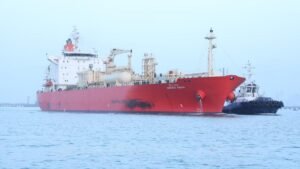
* India gets most of its oil from this region.
* Any disruption in oil supply affects Indias economy.
The conflict has caused:
* Oil supply disruptions
* Higher crude oil prices
* Increased transportation and production costs
The World Bank thinks oil prices could go up to $90-100 per barrel.
### How Conflict Affects India
* **Rising Inflation**: Higher oil prices mean fuel costs, food prices and transport expenses. Inflation is expected to be around 4.9% in the year 2026-27.
* **Current Account Deficit (CAD)**: India imports expensive oil, which widens the trade gap. The CAD is projected at 1.8% of GDP.
* **Currency Depreciation**: Foreign investors are withdrawing money (around $19 billion outflows) which weakens the rupee and makes imports more expensive.
### Impact on Key Sectors
* **Industry**: Higher input costs, reduced profit margins and lower production.
* **Agriculture**: Increased fertilizer. Rising transportation costs.
* **Services Sector**: Tourism and aviation are. It exports may slow down due to global uncertainty.
### Global Context
The slowdown is not just happening in India. The International Monetary Fund thinks the conflict may “permanently scar” the economy. Global growth forecasts are being revised downward.
### Why India Still Remains Strong
Despite the slowdown Indias fundamentals are strong:
* **Strong Domestic Demand**: Consumption and investment remain robust.
* **Banking Stability**: capitalized banks and low NPAs.
* **High Forex Reserves**: $697 billion reserves.
### Risks Ahead
* **Prolonged War**: Longer conflict means oil prices and slower growth.
* **Financial Market Volatility**: Capital outflows and currency instability.
### Opportunities Amid Crisis
* **Energy Diversification**: energy push and reduced oil dependence.
* **Domestic Manufacturing**: “Make in India” boost.
### Government and Policy Response
India may adopt:
* **Monetary Policy**: Interest rate adjustments and liquidity management.
* **Fiscal Policy**: Subsidies, for groups and infrastructure spending.
### Long-Term Outlook
The World Bank expects growth to recover in years and India to remain a global growth leader. At 6.6% India outpaces most major economies and remains attractive for investors.
In terms:
* India is slowing down but not weakening.
* External risks are high. Internal strength is stronger.