Indian markets jump — the Sensex climbed ~447 points and the Nifty crossed 25,950, driven by softer U.S. inflation data and renewed foreign investor interest.

Indian Markets Rally Explained – Sensex Surge of Approx. 447 Points & Nifty Crossed 25,950 Mark
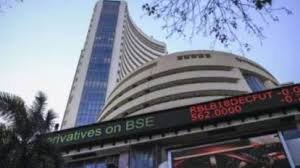
- Introduction
The Indian equity markets started the week with a positive
Indian equity markets saw a strong bullish trend, and the BSE indices closed the day quite higher. The BSE sensex rose by around 447 points, and the Nifty 50 broke the psychological level of 25,950. The stock markets today rose because of a variety of factors, primarily global, and were not restricted to any Indian event.
The major factors that triggered this surge in the market are:
“Softer-than-expected U.S
Resurgent Foreign Institutional Investor Buying
Higher global risk sentiment
Encouraging expectations regarding cuts in interest rates
Buying sectors for banking, IT, and capital goods
To understand the complete picture of this market trend, it is essential to understand how global inflation figures impact the Indian markets, the significance of foreign investments, and the role of market sentiment in triggering rallies.
- The Role of U.S. Inflation Data in Investment Decisions
What Is U.S. Inflation and Why Is It Important?
Inflation in the U.S. economy can be estimated by various indicators, some
:Consumer Price Index (CPI)
Core CPI (ex: food, energy)
Producer Price Index (PPI)
These figures show the speed of price increases in the U.S. economy. As the largest economy in the world, the trends in the U.S. also impact largely on:
U.S. Federal Reserve policy
Functional
Global interest rates
Capital pours into emerging economies such as India
What Does ‘Softer Inflation’ Mean?
‘Softer’ or ‘cooling’ inflation implies that
The rise in prices has been slowing down
Inflation is lower than expectations
The pressure on central banks to raise rates declines
In this particular market scenario, US inflation figures came out lower than expected, and this indicated that the worst phase of inflation might be over.
- Consequences of Softer U.S. Inflation on International Markets
- Less Fear of Aggressive Rate Hikes
If the inflation level becomes high, the USA’s Federal Reserve has to increase interest rates to manage the prices. The effects of this action are as follows:
Make borrowing expensive
Cost of
Curtailing liquidity in markets
Withdraw funds from equity markets
This translates into softer inflation expectations of:
The Fed may pause rate hikes
According to CME Group
Or even cut rates in the future
This instills confidence in investors.
- Lower Bond Yields
Cooling inflation will result in the following:
U.S. Treasury Bond Yields Decrease
Less attractiveness of ‘safe-haven’ assets
As interest rates in bonds drop, investments in stocks and emerging markets like India become attractive due to their high growth rate.
- Weakening of the U.S. Dollar
Lower inflationary expectations decrease the value of the U.S. dollar. A lower value of the U.S. dollar is favorable for emerging markets because:
Foreign investors can invest at a cheaper rate. Even if the
Currency risk decreases
Foreign Investment Increases
- Resurgent Foreign Investor Interest: The Biggest Trigger
Foreign Institutional Investor (FI) on the BSE:
FIIs are big international investors such as:
Pension funds
Hedge Funds
Mutual Funds
Sovereign wealth funds
They allocate billions of dollars to the global equity markets as well as debt markets.
Importance of FIIs in Indian Markets
There are several reasons why FIIs are
FIIs have a major stake in the Indian large cap market.
Their buying or selling directly affects the levels of the indices
Banking, Technology, and Heavyweight Stocks are more FII driven
When FIIs buy heavily, the market tends to surge.
- Why FIIs Turned Buyers Again
The caution or sell phase concluded, and FIIs resumed their role as buyers for the following reasons:
- Enhanced Worldwide Risk Appetite
Softer U.S. inflation sparked a revival of confidence that
Global Growth could stay flat
Fears about Hard Landing are fading away
This spurred investors to shift from defensive sectors to equity.
- Attractive Valuations in Select Indian Stocks
In spite of the fact that the Indian markets have been doing quite well
Some industries had previously corrected
For example
Quality large-cap stocks are again found appealing
FIIs tend to buy, especially when they feel that growth will be achieved at reasonable prices.
- The Macroeconomic Strengths of
The distinguishing factors of the Indian emerging market, among other emerging markets, are:
Growing GDP
With a positive
Environment closely controlled for inflation
Political and policy stability
Strong home market
Such circumstances lead to India becoming an attractive destination for international capital.
- Impact of FII Purchases on Sensex and Nifty
When FIIs buy: They
They concentrate on the index heavyweights
Bank stocks, IT giants, and oil leaders make gains
The indices tend to move with sharp changes even as the markets show moderate movements.
The explanation for the following is
Sensex surged by 447 points
Nifty broke the key level of 25,950
The rally is broad-based but is led by heavyweight shares.
- Psychological Effect of Nifty Crossing 25,950
Why Psychological Levels Matter
The stock market is affected both by fundamentals as well as psychological trends in investor minds. The round or important levels include:
25,950 /
can serve as psychological resistance or support zones.
What happens when these thresholds are crossed?
Technicial Traders Enter New Long Positions
Stop-losses of the short sellers trigger
Momentum Buying Increases
Media attention increases retail participation
The crossing of 25,950 marked a clear bullish signal, further fueling the rally.
8
Sector-Wise
Contribution to
the
- Banking and financial stocks
Banks usually trigger market rallies because:
They constitute a significant portion of indices
FIIs prefer liquid, large-cap banks
Lower international rates support credit growth
graybar | _
Both the private and public sector banks affected positively.
- IT Sector
The IT sector has had the advantages of:
Smaller U.S. inflation
Expectations of Stable U.S. Growth
Decreased fear of spending cuts by U.S. clients
A weaker dollar forecast was also supportive.
- Capital Goods and Infrastructure
Domestic growth optimism and government spending expectations contributed to support for:
Infrastructure stocks
The companies that produce capital goods
Engineering companies
- Metals & Energy
The overall improved perspective in the world helped in increasing demand projections, which in turn stimulated cyclicals such as metals and energy.
- Domestic Factors Supporting Rally9. Domestic
Although global signals led the way, there were some homegrown reasons as well for the Indian government’s
- Stable Inflation Outlook in India
The inflation trend in India continues to be
Within manageable limits
Within RBI’s comfortable range
This minimizes the chances of steeper interest rate rises from the Reserve Bank of India (RBI).
- Strong Corporate Earnings Trend
“Corporate India has been able to achieve
Resilient earnings
margin stability
Healthy balance sheets
This instills confidence in equity returns among investors.
- Strong Retail Participation
Domestic institutional investors (DIIs) and retail investors remain to:
Invest through SIPs
Support users through periods of volatility.
Such measures mitigate the impact even if FIIs go into cautious mode.
- Global Markets and Risk Sentiment
Positive Global Cues
Indian markets were also influenced by:
Advances in U.S. Stock Markets
Positive Asian market trends
Asia accounts for
Stability in European Markets
If markets are globally correlated, this boosts confidence in risky assets.
- Liquidity: The Invisible Driver
What Is Liquidity?
Liquidity is the readiness of funds within the financial system. High liquidity is characterized by:
More money pursuing assets
Higher Valuations
Stronger rallies
Why Liquidity Improved
Lower Inflation Expectations
Possible Future Rate Cuts
Stable global financial environment
The liquidity rallies can be quite sudden, as was the case today.
- Short-Term vs Long-Term
Short-Term View
In the short term:
Markets could be prone to volatility
Profit booking can happen at higher levels
Global data remains key to market sentiment.
Long Term Perspective
In the long run:
The story of growth in India is still unal
Structural changes contribute positively towards earnings.
Foreign capital will flow back during dips
This makes Indian equities attractive to investors.
- Risks to Watch Going Forward
Despite the rally, there also remain some risks.
Any surprise increase in U.S. Inflation
Geopolitical T
Sudden Reversal in FII Flows
Global recession concerns
Crude oil price volatility|||Based
The markets will be keenly watching upcoming statistics and central bank announcements.
- What This Rally Means for Investors
For Retail Investors
Don’t chase prices at peaks
When the trend
Emphasis On Quality Stocks
SIP based investments continue.
FOR TRADERS
Momentum = (+), however, Resistance Levels should be watched.
Using stop-losses
Be cautious near psychological levels
For Long-term Investors
The structural growth story in India remains strong. The fact that
Corrections as Buying Opportunities
In this context, if the market is declining 15. Conclusion: Why the Market Jumped In the Indian markets, the strong surge, with the Sensex surging by around 447 points and the Nifty above 25,950, was led by global optimism due to lower US inflation data, along with foreign investment. Key takeaways: Less aggressive U.S. inflation impacts gentle rate hike Global risk appetite improved
Investors’ FIIs re-entered the Indian equities The heavyweight stocks were the main drivers behind the market Technical Breakout Accelerated Momentum Nevertheless, the rally itself symbolizes confidence in the resilience of the Indian economy and its popularity as an overall global investment destination, despite global uncertainties.