Japanese yen gains strength — The yen maintained gains versus a softer U.S. dollar, supported by hawkish central bank signals and safe-haven flows.
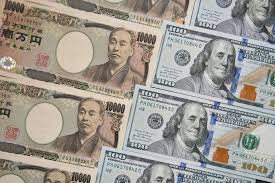
Why the Japanese Yen Has Gained Strength, and the Mechanisms Behind It
The Japanese yen (JPY) has recently displayed positive trends against the U.S. dollar and has been sustaining these gains due to the weakening of the U.S. dollar because of the fluctuating global economy. The appreciation of the Japanese yen has been caused by the positive stance of the Central Banks across the globe and the Bank of Japan in particular, due to which investors have been buying the Japanese yen.
Forex exchange rate fluctuations are not random. Rather, these are affected by more fundamental factors associated with economies, including interest rate differentials, inflation dynamics, capital movements, global imbalances, and psychology. The recent appreciation of the yen against major currencies represents a significant turning point after a long period during which the Japanese currency was weak. This is because Japan has maintained low interest rates despite aggressive rate hikes by major economies.
In this article, you can learn why the yen has been appreciating, how the weakening US dollar has been an influence, and what the significance of all this is to the world market and the Japanese economy.
- – Understanding the Japanese Yen and Its Global Role
1.1 The Yen as a Major Global Currency
The Japanese currency, yen, is one of the most widely exchanged currencies in the international foreign exchange markets. It also constitutes a basket of currencies in the G7 countries. It is also involved in other key activities such as:
Foreign exchange (Forex) Markets
Global investment and funding strategies
The yen is frequently involved in carry trades, whereby investors borrow from the yen with low interest rates to invest in other higher yielding instruments.
1.2 The Yen as a Safe-Haven Currency
The yen is a safe-haven currency; this means investors act as follows during times of:
Volatilidade dos Merc
Geopolitical tensions
The global economy faces a slowdown
This reputation owes allegiance to:
Large Foreign Reserves in Japan
Strong external balance –
Stable political system
Big net foreign asset position
- recent performance of the yen
The yen started appreciating against the U.S. dollar after a long period of deprecation in relation to the U.S. dollar as follows:
The dollar fell.
Market perceptions regarding interest rates changed
The world became more uncertain
It marked an important reversal, which signified shifts in the monetary policy environment and market sentiment around the globe.
- Role of a Softer U.S. Dollar
3.1 Why the U.S. Dollar Weaken
The U.S. dollar was weakened by various reasons:
“Expectations that the Federal Reserve may pause or slow interest rate hikes”:
Signs of Cooling Inflation in the US
Data on slower economic growth
Less demand for dollar assets
If the value of the dollar declines, then generally, other currencies, such as the yen, appreciate
3.2 Interest Rate Expectations and the Dollar
With
Currencies are highly sensitive to the differences in the level of interest rates. When markets believe U.S. interest rates will stop rising when the underlying conditions stabilize, the value
The yield spread for dollars narrows
Funds move out of the USA
Demand for alternative currencies rises
“This environment is favorable to currencies such as the yen, particularly if their own central banks are perceived as more hawkish.”
- Central Bank Hawkish Signals
4.1 What Does “Hawkish
Hawkish Central Bank Stance: Hawkish central bank policies are an indication of the following:
Higher interest rates
Tighter Monetary Policies
Actually
Emphasis on managing inflation levels
Of all the
Hawkish policy signals are likely to be supportive of currencies since higher interest attracts more investments.
4.2 The Change in Tone by the Bank of Japan
For years, the Bank of Japan followed:
Ultra-low interest rates
Yield Curve Control (YCC)
Widespread Asset Buys
However, recent indications are:
Increased Tolerance for Higher Bond Yields
Risks facing
Modest tapering of quantitative easing
Inflation may be more persistent than expected
A slightest change in the policy of the BoJ has a large psychological effect since the market is not expecting a tightening of monetary policy in Japan in the next few years.
4.3 Impact on the Yen
As expectations mounted that:
Japan will raise its rates in the future
Yield Differentials may narrow
Investors started:
Remove yen short positions
Repurchase yen
Reposition Portfolios
This resulted in the appreciation of the yen.
- Safe Haven Flows and World Uncertainties
5.1 Rise in Global Risks
Safe-haven demand for the yen grew because:
Geopolitical tensions
Economic slowdown fears
The second
Equity markets’ volatility
Global debt concerns
When uncertainty increases, investors seek stable and liquid currencies.
5.2 How Safe-Haven Flows Help Strengthen the
During risk-off periods:
Investors begin to unwind their carry trades
Yen borrowing falls
USDJPY demand sharp increase
The USDJP
This causes a surge in the demand for the yen, thereby leading to increased values of the yen against other currencies, including the dollar
- Interest Rate Differentials and Unwinding of Carry Traders
6.1 What is Carry Trade
A carry trade entails:
Borrowing in a low-interest currency (yen)
Investing in higher-yielding currencies (dollar)
Indeed, this policy had been suppressing the value of the yen for many
6.2 Why Carry Trades Are Being Unwound
With
“The Bank of Japan could
Less Fed hawkishness
Increased market volatility
The risk involved in carrying trades increases, and this forces:
Close positions
Purchase back yen
- Purchase lower yielding currencies
This further stimulates yen appreciation.
- Japan’s Domestic Economic Factors
7.1 Trends in Japanese Inflation
Japan has known:
Consumer Price Inflation
Compensation advances
Granted, a
Increased home demand
Such trends confirm the notion that Japan could finally break out of deflation, as it enables:
The Bank of Japan
Normalization of Monetary Policies
Normalizing
Higher interest rates over time
7.2 Trade Balance & Capital Flows
A stronger yen is also supported by:
Enhancing trade balances
Export Performance
Contrary to
Repatriation of Foreign Profits from Japanese Companies
- GLOBAL MARKET IMPLICATION
8.1 Impact on Equity Markets
Japan-exporters may come under pressure as they find it difficult to compete because of a strong yen
The global stock markets are expected to witness higher volatility as a result of currency fluctuations.
8.2 Impact on Bonds
Yields on Japanese bonds could increase
The global bond markets may also adapt based on the flow of capital.
8.3 Impact on Emerging Markets
A stronger yen and weaker dollar may:
- Increase
Mitigate pressure on newly emerged currencies.
Strengthen the flow of investments in the developing economies
- Implications for Investors
9.1 Currency Tr
Forex traders can:
Reevaluate Long Dollar positions
Increase yen exposure
Carefully monitor central bank signals
9.2.1
Portfolio diversification HELPS WITH:
Yen appreciation
Less dependence on dollar assets
More balanced weighting currencies
- Risks to Yen Strength
The
However, despite recent achievements, danger lurks:
BoJ may move carefully
U.S. inflation could reaccelerate
The Fed may again become hawkish
Global risk sentiment could turn more positive, so there would be less need for a
- Future Prospects for the Yen
The future of the yen will depend on:
Bank of Japan policy-makers’ decisions
In this
World economic stability Trends of Inflation and Wage Growth in Japan
Inflation and wages An appreciation by degrees can occur if: Policy normalization remains ongoing Safe-haven demand is ongoing The interest rate gaps narrow Conclusion The recent appreciation in the Japanese yen can be attributed to several factors. These include the weaker United States dollar, signs of tighter monetary policies by the Bank of Japan, reduced differences in interest rates, and the strengthening safe-haven appeal. This change may represent a critical juncture following a long period of yen weakening and recognizes the key role that communication by central banks and risk sentiment in international markets play in shaping international currency markets. Despite challenges, however, a strong yen illustrates its continued function in international markets as a major world currency and a hedge in times of uncertainty.