U.S. Federal Reserve Cuts Interest Rates — The Fed lowered its benchmark rate to a three-year low, signaling economic concerns and markets rallied on the news.
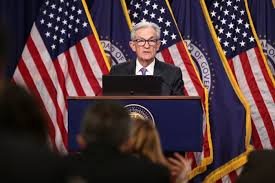
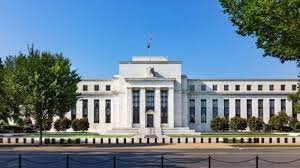
- What the Fed did — the rate cut itself.
Federal funds rate lowered
On December 10, 2025, the Federal Open Market Committee of the U.S. Federal Reserve decided by vote to lower the federal funds rate by 0.25 percentage points (25 basis points) to a new target range of about 3.50%–3.75%.
Federal Reserve
+1
The cut marks the third rate reduction in 2025.
Financial Times
This reduces the benchmark rate to its lowest level in nearly three years.
The Times of India
The decision had been broadly expected by markets, which had priced in a high probability of easing before the meeting.
Reuters
Why the Fed cut rates
The official statement by the Fed spells this out:
The economy is showing signs of softer labor market conditions and increased economic uncertainty.
Inflation remains above the Fed’s long-run target of 2%, but pressures are moderating.
It suggests that the Fed believes downside risks to employment have increased and lower rates can support economic growth.
Federal Reserve
- The Economic Context
Dual mandate: Inflation & Employment
The Fed has the dual mandate:
Stable prices, that is, inflation close to 2 %, and
Maximum sustainable employment
Federal Reserve
By 2025:
Because inflation has been stubbornly over the 2% target, though cooler than peak inflation from earlier cycles.
The Guardian
Labor market data has been softening, suggesting slower hiring and/or rising unemployment, which is one of the very key reasons to ease monetary policy.
The Guardian
Rate cycle background
Historically, the Fed had sharply raised rates from near-zero following the COVID-19 pandemic to fight inflation-peaking in late 2023. Since then:
It started cutting rates in 2024.
2025 has seen successive cuts, concluding with this cut in December.
Bankrate
Market Reactions ☹️ 3.
Stock markets
U.S. equity markets showed strong reactions:
Major indices rose following the announcement, as the S&P 500 and Dow Jones advanced.
Investopedia
+1
It was a rally led by expectations of cheaper borrowing costs for companies and consumers, as well as optimism about future economic support.
Investopedia
Bond yields and risk assets
Treasury yields, especially for shorter maturities, fell because rate cuts reduce expected future rates.
Financial Times
Typically, risk assets such as stocks rise when central banks are easing, as lower rates make equities relatively more attractive than bonds.
Global markets
Elsewhere:
Asian and European markets were mixed, as some were buoyed by local factors such as tech earnings and others by the policies of other central banks.
AP News
- Wider Economic Implications
Impact on borrowing and spending
Lower interest rates are usually followed by:
Cheaper loans for consumers: mortgages, auto loans.
Reduced borrowing costs for companies, increasing investment.
An increase in consumer and business spending owing to lower financing costs.
These are effects aimed at stimulating economic growth, particularly when demand has been weakening.
Vajiram & Ravi
Inflationary effects
Lower prices can stimulate demand, which itself may push prices upwards unless supply increases to keep pace.
But with inflation already falling from previous highs, the Fed seems to be confident that it will not set off a sharp resurgence in inflation.
Federal Reserve
Global spillovers
US monetary policy holds disproportionate influence over global events. Examples include
Historically, lower U.S. yields have encouraged global investors to look for higher returns elsewhere, benefiting emerging market equities and currencies.
Vajiram & Ravi
This can affect rupee strength, capital flows into India, and foreign investment patterns.
Vajiram & Ravi 5. What Analysts Are Saying Fed seems cautious With the Fed cutting rates this week, Chairman Jerome Powell and FOMC projections suggest a slower pace for future cuts. Many analysts interpret this to mean that the Fed is waiting for additional economic data to firm up. Federal Reserve Only one further cut is expected in 2026. Fed projections now point to perhaps just one more interest rate cut in 2026, which is more conservative than the markets had anticipated. Reuters Internal disagreement There were a number of dissents at the Fed, which underlined that not all policymakers are united about either the speed or the extent of easing; some had advocated no change, others deeper cuts. Schwab Brokerage Mind-over-matter 6. Why It Matters to You Consumers Lower interest rates can mean cheaper loans. Mortgage and credit costs could ease, stimulating big-ticket purchases. Investors When interest rates fall, stock markets often rise. Generally, bond prices increase as yields fall. Global economy It changes with U.S. monetary policy, shakes capital flows, currencies, and investment decisions globally. Summary ✔ The Federal Reserve lowered its benchmark interest rate to a three-year low of about 3.50%–3.75%. The Economic Times ✔ The move was driven by economic uncertainty, softer labor market signals and inflation that is still above target but not accelerating. Federal Reserve ✔ Markets initially fared well, particularly equities. Investopedia ✔ The Fed will likely be cautious toward the upcoming rate moves, probably only once again in 2026. Reuters ✔ The decision has wide-ranging implications for borrowing costs, investment flows, global markets, and consumer finances.