Air tickets to get costlier as Air India to levy fuel surcharge due to hike in ATF prices
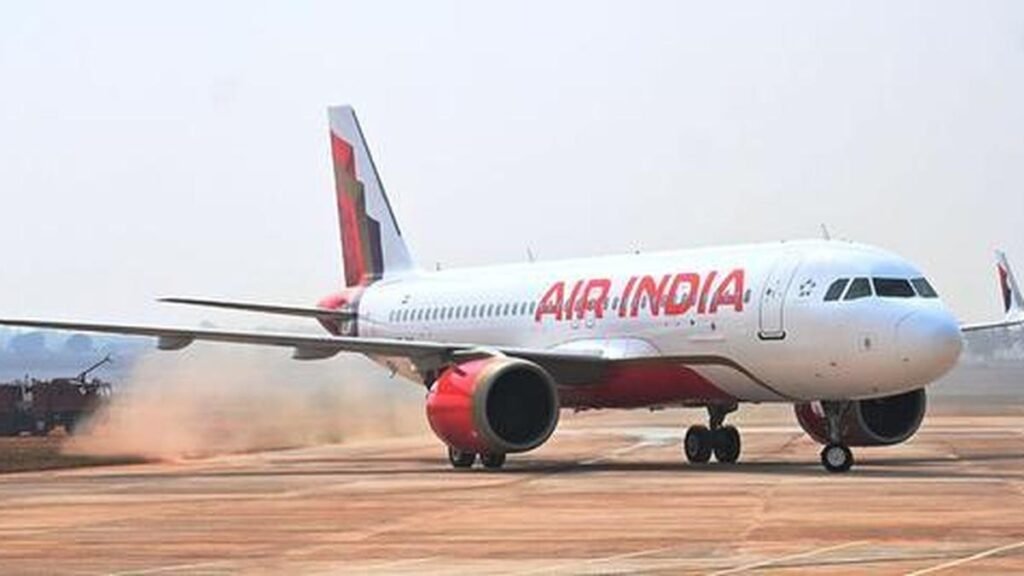
Air travel in India is going to get more expensive. Air India has announced that it will add a fuel surcharge to flight tickets. This is because the price of Aviation Turbine Fuel (ATF) has increased sharply.
The decision comes at a time when global oil markets are facing problems to tensions in West Asia. Fuel is the expense for airlines. So they are passing some of the cost to passengers.
The new surcharge will apply to both international flights. It will start on March 12 2026. For flights passengers will pay ₹399 extra per ticket. For routes the surcharge will range from $10 to $200.
This shows how global energy prices affect aviation costs. Airlines operate in an environment with small profit margins. When fuel prices increase airlines often raise fares. Add surcharges.
### Background: Why Air Tickets Are Getting
The main reason for the increase in airfares is the sharp rise in jet fuel prices. Jet fuel is refined from oil and is essential for aircraft operations.
* Since March 2026 ATF prices have surged due to supply disruptions in the Gulf region and rising global crude oil prices.
* The tensions in West Asia have affected shipping routes and fuel supplies pushing up oil prices worldwide.
Air India stated that fuel costs account for 40% of an airline’s operating expenses. When such a large portion of expenses increases suddenly airlines cannot absorb the costs entirely.
### What Is a Fuel Surcharge?
A fuel surcharge is a fee added to airline tickets to compensate for rising fuel costs.
* of permanently increasing base fares airlines often use fuel surcharges because they can adjust them quickly when fuel prices change.
Fuel surcharges are commonly used in the aviation industry because:
* Fuel prices fluctuate frequently.
* Airlines operate on profit margins.
* Ticket prices are often regulated by market competition.
### Air India’s New Fuel Surcharge Structure
Air India announced that the surcharge will be implemented in three phases covering international routes.
* **Phase 1 – Starting March 12 2026**
* Domestic flights: ₹399 surcharge per ticket
* SAARC region flights: ₹399
* Middle East flights: $10 surcharge
* Southeast Asia flights: surcharge increased from $40 to $60
* Africa flights: surcharge increased from $60 to $90
* **Phase 2 – Starting March 18 2026**
* Europe flights: surcharge rises to $125
* North America flights: surcharge increases to $200
* Australia flights: surcharge increases to $200
* **Phase 3 – announcement**
* Additional surcharges will apply to flights to Japan, South Korea and Hong Kong. Exact details will be announced later.
### Impact on Domestic Passengers
For travellers within India the immediate impact will be an increase of ₹399 per ticket.
* For example:
* Route: Delhi–Mumbai, Previous Fare: ₹5,000 New Fare (approx.): ₹5,399
* Route: Delhi–Bengaluru, Previous Fare: ₹6,000 New Fare (approx.): ₹6,399
* Route: Delhi–Kolkata, Previous Fare: ₹4,500 New Fare (approx.): ₹4,899
### Impact on International Travellers
The impact will be larger for travellers because fuel surcharges are usually higher for long-haul flights.
* For instance:
* Flights to West Asia: + $10
* Flights to Southeast Asia:. $20 Increase
* Flights to Europe: + $25 increase
* Flights to North America: + $50 increase
### Role of Global Geopolitical Tensions
The increase in jet fuel prices is closely linked to instability in West Asia.
* Key factors include:
* Conflict in the Middle East
* Disruptions to oil production
* Shipping issues near the Strait of Hormuz
* Supply chain disruptions affecting fuel distribution
### Why ATF Prices Are High in India
when global oil prices rise moderately ATF prices in India often increase sharply due to taxes.
* Two main reasons:
1. Taxes
* ATF in India is subject to:
* Central excise duty
* State-level VAT
* Some states impose VAT high as 25–30% making jet fuel expensive compared with other countries.
2. Currency Fluctuation
* India imports most of its oil. When the rupee weakens against the US dollar fuel becomes more expensive.
### Financial Pressure on Airlines
The aviation industry operates with narrow profit margins.
* Major expenses include:
* Fuel (around 40%)
* Aircraft leasing costs
* Airport charges
* Staff salaries
* Maintenance
* Insurance
### Why Airlines Cannot Simply Absorb Fuel Costs
Absorbing fuel costs is difficult because airlines already face competition.
* Indian aviation is dominated by airlines like:
* IndiGo
* SpiceJet
* Akasa Air
### Impact on the Indian Aviation Industry
The surcharge could have industry-wide effects.
* Travel Costs: Passengers may see higher ticket prices across multiple airlines if competitors follow Air India.
* Reduced Travel Demand: Higher fares could reduce demand for air travel in the budget segment.
* Pressure on Low-Cost Airlines: Low-cost carriers operate on margins and may struggle if fuel prices remain high.
### Impact on Tourism and Business Travel
airfares may influence:
* Domestic tourism
* tourism
* Corporate travel budgets
### Relief for Passengers Who Already Booked Tickets
Passengers who booked tickets before the surcharge announcement will not have to pay the additional fee.
* The surcharge applies to:
* New bookings after the date
* Tickets modified or reissued after the deadline.
### Will Other Airlines Follow?
Although Air India announced the surcharge first other airlines may follow if fuel prices remain high.
* Historically when one airline introduces a surcharge competitors often implement measures to maintain profitability.
### Possible Future Scenarios
The future of airfares will depend largely on oil prices.
* **Scenario 1: Fuel Prices Fall**: If global crude prices drop airlines may remove the surcharge.
* **Scenario 2: Fuel Prices Stay High**: Airfares could remain elevated for months.
* **Scenario 3: Fuel Prices Rise *: Airlines might introduce additional surcharges or fare increases.
The decision by Air India to introduce a fuel surcharge reflects the impact of global energy prices on the aviation industry. With jet fuel accounting for 40% of airline operating costs any sharp rise in ATF prices quickly affects airline finances.
Due to tensions in West Asia and supply disruptions in global energy markets fuel prices have surged since early March 2026. To cope with the increased expenses Air India has introduced a phased fuel surcharge that will raise ticket prices for both international travellers.
Domestic passengers will initially pay ₹399 extra per ticket while international routes will see surcharges ranging from $10 to $200 depending on the destination. The surcharge will be implemented gradually starting March 12 2026. May be adjusted depending on fuel price movements.
While the increase may inconvenience travellers airlines argue that it is necessary to maintain viability. Without measures airlines could face financial losses or even be forced to cancel flights.
Ultimately the situation highlights how connected global oil markets, geopolitical tensions and the aviation industry are. Long as fuel prices remain volatile passengers may continue to see fluctuations, in airfares.