Airlines cancel more flights as West Asia conflict escalates
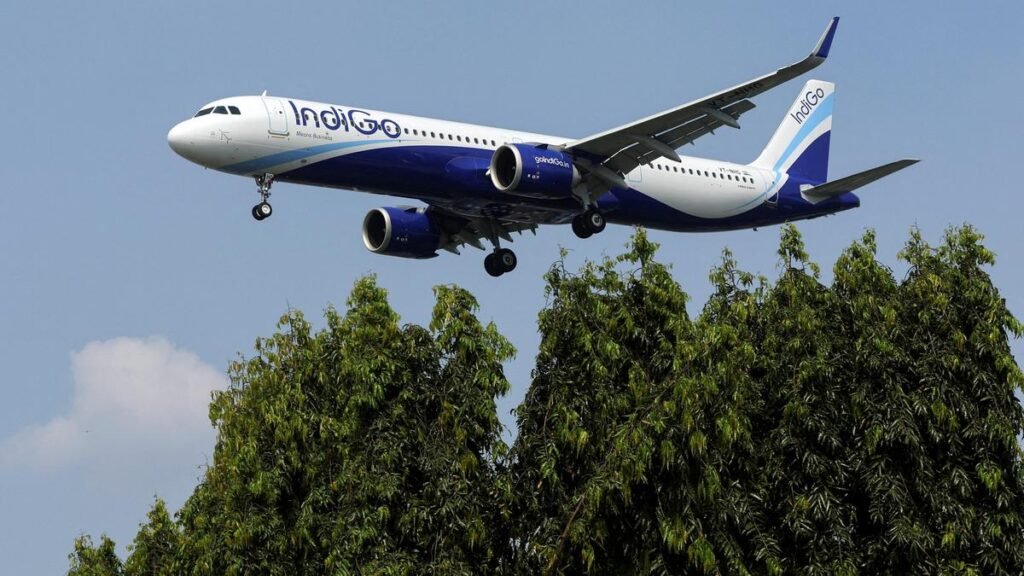
The escalating conflict in West Asia (Middle East)—especially linked to tensions involving Iran and regional powers—has triggered one of the most severe disruptions to global aviation in recent years. Airlines across the world are cancelling flights, rerouting aircraft, increasing fares, and warning of prolonged instability. This situation is not limited to one country or airline; it is a global aviation crisis with deep economic, geopolitical, and operational consequences.
Below is a detailed, structured explanation of why airlines are cancelling more flights, what is happening in the background, and what it means for passengers, airlines, and the global economy.
1. Background: What is happening in West Asia?
The current crisis began with escalating military tensions in West Asia, including airstrikes, missile attacks, and retaliation between countries such as Iran, Israel, and their allies. This has led to:
- Closure of multiple national airspaces
- Attacks on infrastructure (including airports and oil facilities)
- Military risks in key aviation corridors
The conflict has turned one of the busiest global aviation regions into a high-risk war zone.
👉 West Asia is critical because:
- It connects Europe, Asia, and Africa
- Major airline hubs like Dubai, Doha, and Abu Dhabi are located here
- Around 15% of global air traffic passes through this region
2. Massive flight cancellations worldwide
The most visible impact is the sharp increase in flight cancellations.
Key statistics:
- Over 5,000 flights cancelled globally
- Some estimates suggest 4,000+ daily cancellations due to airspace closures
- Airlines like Air India cancelled 2,500 flights in just 3 weeks
- European carriers like SAS cancelled 1,000 flights
- Vietnam Airlines cutting routes due to fuel shortages
Why cancellations are happening:
- Airspace closures
- Safety risks
- Fuel shortages
- Operational costs rising sharply
Airlines are not cancelling flights randomly—they are doing so to protect passengers, reduce losses, and manage uncertainty.
3. Airspace closures: The biggest trigger
One of the main reasons for cancellations is the closure of airspace across multiple countries.
Affected regions include:
- Iran
- Iraq
- Israel
- Syria
- UAE
- Qatar
- Kuwait
These regions form the core aviation corridor between East and West.
Impact:
- Flights cannot pass through normal routes
- Airlines must avoid dangerous zones
- Entire routes become unviable
India’s aviation regulator (DGCA) even warned airlines to avoid nine risky airspaces
👉 Result: Many flights are simply cancelled because there is no safe route available.
4. Rerouting and longer travel times
Even when flights are not cancelled, they are being rerouted around conflict zones.
Consequences:
- Longer flight paths
- Increased travel time
- More fuel consumption
For example:
- Flights from India to Europe now take long detours
- Airlines must fly around conflict zones instead of over them
Why this matters:
- Costs increase significantly
- Some routes become economically unviable
- Airlines cancel low-demand flights first
5. Fuel crisis: The hidden driver
Another major reason for cancellations is the sharp rise in jet fuel prices.
What’s happening:
- Oil prices surged due to conflict
- Fuel supply chains disrupted
- Some countries stopped exporting fuel
👉 Jet fuel prices have:
- Increased dramatically
- In some cases more than doubled
Effects on airlines:
- Operating costs rise sharply
- Profit margins shrink
- Airlines reduce flights to save fuel
For example:
- Vietnam Airlines is cutting flights due to fuel shortages
- Global airlines are adding fuel surcharges
6. Safety concerns: The top priority
Safety is the most important reason for flight cancellations.
Risks include:
- Missile strikes
- Drone attacks
- Air defense systems misidentifying aircraft
- Attacks on airports
Airlines cannot risk flying through:
- Active war zones
- Regions with military activity
👉 Even a small risk can lead to complete route suspension.
7. Impact on major global hubs
West Asia is home to some of the world’s busiest aviation hubs:
- Dubai International Airport
- Hamad International Airport (Doha)
- Abu Dhabi Airport
These hubs are:
- Transit points for millions of passengers
- Key connectors for long-haul flights
What happened:
- Many hubs faced disruptions
- Some airports were damaged
- Transit operations slowed down
👉 This caused a chain reaction globally.
8. Indian aviation heavily affected
India is particularly impacted because:
- Millions of Indians travel to Gulf countries
- Many flights pass through West Asia
Key impacts:
- Air India operating at only 30% capacity in the region
- IndiGo and Air India Express disrupted 125+ routes
- Domestic flights also affected (278 cancelled in one day)
Why India is vulnerable:
- Strong economic ties with Gulf
- Heavy dependence on these routes
- Large diaspora population
9. Rising airfares and reduced availability
Flight cancellations have reduced supply, while demand remains strong.
Result:
- Airfares rising sharply
- Fewer seats available
- Travel becoming more expensive
According to reports:
- Airfares increased 10–19% recently
Airlines response:
- Cutting less profitable routes
- Increasing ticket prices
- Adding fuel surcharges
10. Tourism and economic impact
The aviation crisis is affecting global tourism.
Key figures:
- Estimated $600 million daily loss in tourism spending
Effects:
- Tourists cancelling trips
- Travel plans delayed
- Hotels and travel businesses impacted
👉 This is one of the biggest tourism disruptions since COVID-19.
11. Supply chain and cargo disruptions
Airlines don’t just carry passengers—they also transport cargo.
Impact:
- Delays in goods delivery
- Increased shipping costs
- Disruption in global trade
Especially affected:
- Electronics
- Pharmaceuticals
- Perishable goods
12. Airline strategies to cope
Airlines are adopting several strategies:
1. Cancelling low-demand routes
2. Increasing ticket prices
3. Rerouting flights
4. Reducing frequency
5. Adding fuel surcharges
Some airlines are also:
- Waiving change fees
- Offering flexible bookings
13. Long-term consequences
If the conflict continues, the aviation industry may face:
1. Structural changes
- Permanent route adjustments
- New flight corridors
2. Higher ticket prices
- Fuel costs may remain high
3. Reduced airline profitability
4. Slower global travel growth
According to aviation experts, the crisis could reshape global air travel patterns
14. Passenger impact
For travelers, the effects are immediate and frustrating:
Common issues:
- Flight cancellations
- Delays
- Higher ticket prices
- Longer travel time
Advice for passengers:
- Check flight status regularly
- Book flexible tickets
- Allow extra travel time
- Avoid tight connections
15. Comparison with past crises
This situation is comparable to:
1. COVID-19 pandemic
- Massive flight cancellations
- Global disruption
2. Gulf War
- Airspace closures
3. Russia-Ukraine war
- Flight rerouting
👉 However, current disruption is unique because:
- It affects a central global aviation hub
- It combines war + fuel crisis + airspace closure
16. Future outlook
The future depends on how the conflict evolves:
Scenario 1: Conflict de-escalates
- Flights gradually resume
- Prices stabilize
Scenario 2: Conflict continues
- More cancellations
- Higher prices
- Long-term disruption
Scenario 3: Conflict escalates further
- Severe global aviation crisis
- Massive travel restrictions
The cancellation of flights due to the escalating West Asia conflict is the result of a complex combination of factors:
- Airspace closures
- Safety risks
- Rising fuel prices
- Supply chain disruptions
- Operational challenges
This is not just a regional issue—it is a global aviation crisis affecting airlines, passengers, and economies worldwide.
Airlines are cancelling flights not out of choice, but out of necessity—to ensure safety, manage costs, and adapt to an unpredictable geopolitical situation. Until stability returns to West Asia, disruptions in air travel are likely to continue.