Bharat Petroleum will invest ₹25,000 crore towards City Gas Distribution in next five years
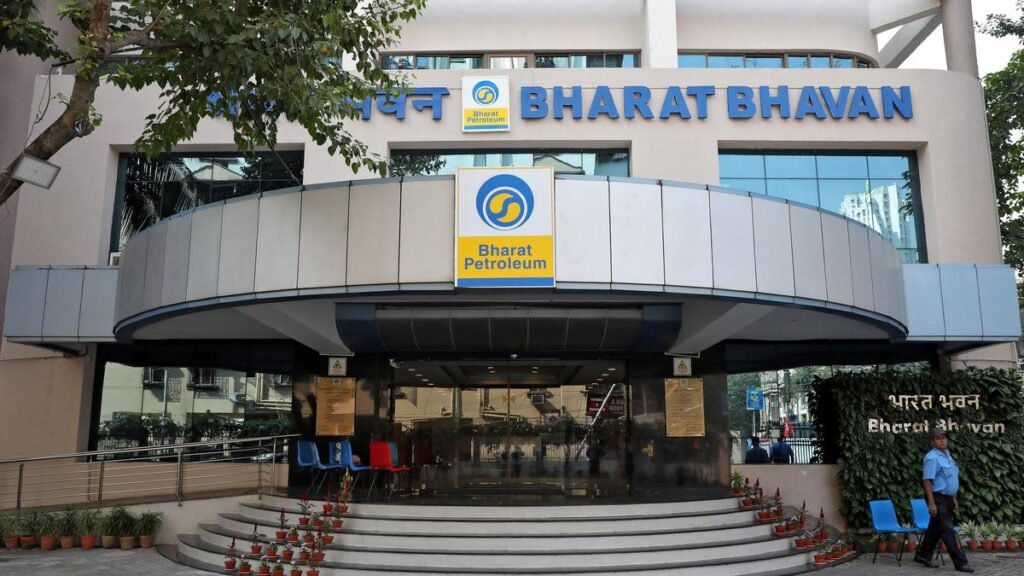
Bharat Petroleum Corporation Limited, which is an oil company in India that the government owns is going to put a lot of money into City Gas Distribution and the infrastructure that goes with it. They are talking about spending around ₹25,000 crore over the five years. Bharat Petroleum Corporation Limited wants to do this so they can get bigger in the gas business. They want to sell gas to households and make it available for cars and other vehicles. Bharat Petroleum Corporation Limited also wants to get into the liquefied natural gas business and build infrastructure for gas. The main goal of Bharat Petroleum Corporation Limited is to use natural gas and make it a bigger part of the energy mix, in India. Bharat Petroleum Corporation Limited has already spent a lot of money on City Gas Distribution and other related projects. Bharat Petroleum Corporation Limited says it will speed up its expansion plans, in the areas where it operates.
What is City Gas Distribution (CGD) and why is it important?
City Gas Distribution is about supplying gas through pipelines to cities and the areas, around them. The City Gas Distribution is used for three things:
PNG (Piped Natural Gas) to homes and commercial premises (for cooking, heating, small industry),
CNG (Compressed Natural Gas) for vehicles (auto-rickshaws, taxis, buses, private cars),
PNG/industrial supply to industries and commercial consumers within the CGD network.
City Gas Distribution networks are an alternative to LPG cylinders and liquid fuels. They give people a cleaner and often cheaper option. City Gas Distribution networks are also very convenient because the fuel is delivered through pipes underground or at stations. For a country like India, City Gas Distribution is very important. India has a lot of people moving to cities. This is causing air pollution. India also wants to use carbon. So City Gas Distribution networks help with making energy cleaner making the air in cities cleaner and reducing the need for fuels, like petrol and diesel.
BPCL is making an investment. This investment is very important. It helps people get gas that burns cleaner. This natural gas is good for the environment. BPCLs investment also supports the use of natural gas for transport. This is also known as CNG. It helps people get energy through piped gas, which is called PNG. BPCL is also building the infrastructure that is needed to get gas to peoples homes and businesses. This infrastructure is very important. It will be useful later when we start using hydrogen or biomethane. BPCLs investment in gas is a good step towards a cleaner future. BPCLs investment in gas infrastructure is very important, for the future of energy.
The announcement and its context
Multiple recent reports say that BPCL executives and company material are talking about BPCL. BPCL will put a lot of money around ₹25,000 crore into the gas business, including CGD over the five years. Here are some things to note from what people’re saying and from the company materials, about BPCL and the gas business:
The senior officials at BPCL and the business presentations they give have talked about a plan to invest a lot of money in expanding the gas business. If you look at the information that BPCL makes available, to the public you can see that they have already promised to spend money on gas and green energy projects.
BPCL has said before that they want natural gas to be a part of their energy mix. They want to increase the amount of gas they use. Now it is a small part but they want it to be a lot bigger in the future. This investment is a move towards making that happen with BPCL. BPCL is taking a step, in the direction with this investment to increase the share of natural gas in the energy mix of BPCL.
Bharat Petroleum Corporation Limited has already spent a lot of money on City Gas Distribution in different areas. We have seen news reports that say they have spent, around 8,000 crore rupees in 26 areas. So when we hear that they plan to spend 25,000 crore rupees it seems like this is money to make City Gas Distribution bigger and better.
These points show that the announcement is consistent with BPCLs gas push and Indias national priority to increase gas availability as a transition fuel. The announcement is in line, with BPCLs plans and Indias goal to have gas available. This is because gas is seen as an option to transition to cleaner energy. BPCLs gas push and Indias national priority are focused on making gas more available.
The twenty five thousand crore rupees might be used in the ways this is what we think will happen.
* Some of the ₹25,000 crore will be used for this
* Some of the ₹25,000 crore will be used for that
We are expecting the ₹25,000 crore to be divided in a way.
The public reports do not give us a budget that shows how much money is spent on each thing.. If we look at how CGD business economics works and what BPCL usually tells us and what other companies, in the industry do it seems like the investment will be used for several things:
We are talking about pipeline network laying and transmission. Pipeline network laying is when we put the pipes in the ground. Then we have pipeline transmission, which’s how we get things to move through those pipes. Pipeline network laying and transmission are very important because they help us get the things we need from one place to another. We use pipeline network laying and transmission for things like water and gas.
We are talking about laying down steel and MDPE pipelines for distribution. This also includes building compression stations and valve stations along with the related works that come with it. The thing is, this kind of project requires a lot of money which’s why it is a big part of the capital expenditure for City Gas Distribution or CGD projects. CGD projects, like these need a lot of investment and laying steel and MDPE distribution pipelines is a part of the CGD capital expenditure.
City network expansions (PNG household connections and commercial)
People use gas and water hookups in their homes, restaurants and small businesses. These household and restaurant hookups, well as small and medium enterprise hookups include things like meters, pipes inside buildings and regulators. There are a lot of connections, on the customer side and household hookups and restaurant hookups and small and medium enterprise hookups really add up.
CNG station construction and fleet conversion subsidies/partnerships
We are making places where people can fill up their vehicles with CNG and we are also making the existing places bigger. We are helping people change their buses, taxis and auto-rickshaws to run on CNG in the areas where the government is giving incentives to do so. This is about CNG refuelling stations and making sure people have access, to them.
LNG/LNG import and handling infrastructure (if included)
Small LNG bunkering, mini-LNG facilities, city/regional storage and regasification units and gas trucking to serve areas not connected by pipeline.
Computation, SCADA, metering, smart systems
Digital controls, smart metering, supply monitoring and safety systems.
Compressed Biogas (CBG) and green methane projects
Bharat Petroleum Corporation Limited has been doing work on Compressed Biogas projects. They can use some of the money they have for gas business to build plants that make Biogas and stations where people can fill up their vehicles with Compressed Biogas. Bharat Petroleum Corporation Limited is really trying to make Compressed Biogas a big thing.
Administrative, land acquisition, permitting costs, JV investments
Setting up local joint ventures, land and right-of-way costs, regulatory compliance and commercial rollouts.
Contingency and project financing costs
Interest during construction, working capital for ramp-up, and contingency buffers.
The thing about CGD is that it is a business, with a lot of customer connections and assets that are spread out. This means that a big part of the money spent on capital expenses goes towards reaching areas and setting up meters for customers rather than building a few big facilities. If you look at what BPCL has said and how the sector usually works you can see that putting in pipelines and connecting homes and businesses to the network costs a lot of money at first.. The money that customers pay comes in over a long period of time which is a key thing to keep in mind when it comes to CGD.
Strategic rationale for BPCL
BPCL is putting a lot of money into City Gas Distribution. The reason BPCL is doing this is because of important reasons that make sense for BPCLs business and also because of government policies that affect BPCL. BPCLs decision to spend an amount of money on City Gas Distribution is driven by many key reasons that are good, for BPCL and also because of rules that the government has made for City Gas Distribution.
Energy transition & policy alignment
The government of India wants to use natural gas for energy. They have plans to increase the use of gas and build more pipelines. BPCL is investing in this area which’s in line with what the central government and states want to do to support gas infrastructure. By expanding City Gas Distribution a company like BPCL that deals with oil can help India reduce its carbon footprint and still be important, in the energy market. Natural gas is a part of Indias plans and BPCL is supporting this by investing in natural gas.
Diversification away from crude-centric business
As people start using cars and things that use renewable energy more and more oil companies are looking for new ways to make money that do not hurt the environment as much. Gas, which includes things like LNG, CBG and also hydrogen that will be mixed with gas in the future is a business that oil companies can use to make money for a while. Oil companies know a lot, about building pipelines and selling gas to people so they can use this knowledge to make gas work for them.
Urban air quality and city mandates
Cities that have a lot of pollution problems are encouraging people to use Compressed Natural Gas. The governments and businesses in these cities are helping people switch to Compressed Natural Gas, which means more people want Compressed Natural Gas infrastructure. This is because Compressed Natural Gas is a fuel than what people normally use. So the demand, for Compressed Natural Gas infrastructure is going up in these cities with pollution problems and Compressed Natural Gas adoption is becoming more popular.
Long-term revenue stability
Compressed Natural Gas Distribution or CGD is something that people will always need. This is because CGD has a lot of uses like cooking at home as a material for industries and as a fuel for vehicles. So the companies that provide CGD can expect to have a stream of customers. This means they will have an income from these customers, which is very good for business. Once the companies have built the networks to provide CGD they can expect to have this income for a very long time. CGD is a stable business because people will always need it and this stability is very good for the companies that provide it. CGD companies can make money from CGD for years and this is very important, for their success.
Synergy with existing retail and downstream network
BPCL can use the depots it already has the places where it sells fuel to people the connections it has, with companies and the way it moves things from one place to another to make the gas business bigger without spending too much money. BPCL can do this because it already has these things in place so it will be easier for BPCL to expand the gas business.
Asset creation for future fuels
Pipelines and distribution networks that we build now can be used later for things like biomethane and hydrogen blends. These are low-carbon gases. This means that pipelines and distribution networks will be useful for a time. We can use pipelines and distribution networks for biomethane and hydrogen blends in the future if we need to. This is a thing because it gives us options for the future. Pipelines and distribution networks are important, for biomethane and hydrogen blends.
These drivers all work together to make investing money worth it even if we do not see money right away. The main goal of these drivers is to help the company change what it does and make it stronger, for years to come.
Expected economic and social impacts
Consumer benefits
People use PNG for their homes because it gives them gas all the time. They do not have to deal with gas cylinders. This way is also safer and costs less for the energy they use.
For cars and buses CNG is a choice. It is cheaper and better for the environment than petrol or diesel. This helps drivers and people who own a lot of vehicles save money on fuel. PNG and CNG are really useful, for households and transport.
Employment and local economic activity
When we build pipelines and construct stations and make meters and take care of them Pipeline laying, station construction, meter manufacturing and maintenance create a lot of jobs. These jobs are in construction, engineering and services.
Local medium sized enterprises, like contractors and suppliers will get some benefits, from Pipeline laying, station construction, meter manufacturing and maintenance.
Air quality and health gains
Using gas for cooking of diesel or petrol or biomass is a good thing. It means there are bad things in the air that we breathe at home. This is really good for people who live in cities. Gas for cooking reduces particulate emissions and indoor air pollution. This is a deal because it makes people healthier. When people are healthier it costs the city money to take care of them. So using gas for cooking has a lot of benefits, for residents and it also helps the city save money on public health.
Industrial competitiveness
Using PNG is a way to get a steady supply of fuel. This can help industries and bakeries save money on fuel costs.
When small industries and bakeries use PNG they can operate efficiently. PNG supply is very good, for industries and bakeries.
Fiscal and tax revenues
When the City Growth Development plan gets underway the state will see more money coming in from taxes like the Goods and Services Tax and other taxes. The City Growth Development will also lead to more people getting jobs, which means the local government will get money from employment taxes. This will have an effect, on the economy and the City Growth Development will create even more opportunities for people to spend money, which will help the economy even more. The City Growth Development will really help the economy.
Energy security
Using kinds of energy and building pipes to transport energy within our country makes our energy supply more stable. This is really good for cities because they need a lot of energy to function. If we also produce gas in our country and have special places to import gas from other countries then cities will have energy they can count on. Having a variety of energy sources like this makes a difference, for our energy security. Energy security is very important and having kinds of energy helps to make it stronger.
The effects of CGD expansion are really important. That is why people care about it. This is also the reason why government companies like BPCL are involved in CGD expansion. CGD expansion is a deal and companies, like BPCL want to be a part of it.
Financial considerations: returns, financing and timelines
Capex intensity and payback
City Gas Distribution is very expensive to start with. The company gets its money back, over a time when it sells gas and charges people a fixed fee. Bharat Petroleum Corporation Limited will look at how the whole project is doing, not just one part. Some places will start making money but others will take a lot longer to get going.
Financing mix
BPCL will probably pay for this using the money they already have by borrowing getting financing for the project or maybe by getting a partner to invest. The good thing is that BPCL has a balance sheet and is owned by the state, which means they can usually handle big expenses, for infrastructure projects. BPCL can use their money and other ways to fund this because of their strong balance sheet and the fact that the state owns them.
Revenue mix and tariffs
The city gas pricing has some parts that are controlled by the government like the prices for PNG and CNG in areas.. There are also parts that are decided by the market like the prices, for industries that use gas. The way contracts are set up and what the regulators agree to will affect how much money is made from city gas. City gas pricing is influenced by these factors.
Timeline
The plan is to do this over five years.. We have to build the City Gas Distribution networks one city at a time. This depends on getting approval from the state and finding the land. We also need to get the right to use the land and make deals with partners. The company BPCL has already spent a lot of money around ₹8,000 crore in 26 places. This shows that we will have to do this in stages, over years. The City Gas Distribution networks will take time to build.
Regulatory and policy environment
The Central General Department is controlled by a lot of people and rules. The Central General Department has to follow what these people and rules say.
The Petroleum and Natural Gas Regulatory Board, which is also known as PNGRB makes the rules for how thingsre allocated and, for the bidding rounds. The Petroleum and Natural Gas Regulatory Board also keeps an eye on the regulatory parts to make sure everything is done correctly. This is what the Petroleum and Natural Gas Regulatory Board does.
State governments and municipal corporations influence approvals, right-of-way, and local policy incentives for adoption (particularly in transport fleets).
The central government has a policy to increase the gas share and expand pipelines. This policy usually leads to the creation of frameworks that’re helpful or supportive. The central government policy is very important, for increasing the gas share and pipeline expansion.
The success of Bharat Petroleum Corporation Limited depends on dealing with a lot of clearances and partnerships between the government and private companies. The government is pushing for fuels and wants to build more pipelines, which is a good thing, for Bharat Petroleum Corporation Limited. This means the government is helping Bharat Petroleum Corporation Limited by making policies that work in its favor.
Environmental considerations and the “gas as a transition fuel” debate
Lower emissions than coal/oil
Natural gas is a way to make energy than coal or oil. It puts out bad stuff, like CO₂ when we burn it.. It does not make a lot of yucky particles that can hurt people. So when we use gas the air, in cities is cleaner and healthier for people to breathe. Natural gas is a choice because it helps keep the air clean.
Methane leakage risk
Gas supply chains have a problem with methane leaks. These leaks can happen when we get the gas out of the ground when we move it from one place to another and when we deliver it to peoples homes. Methane is a bad greenhouse gas. So the people in charge of the gas supply chains need to spend money on finding leaks using equipment that does not leak much and keeping an eye on the gas supply chains all the time. This is how we can make sure that the gas supply chains are good, for the climate. Gas supply chains must be safe and gas supply chains must not hurt the environment. The people who run the gas supply chains have to do their part to protect the climate and make sure gas supply chains are not leaking methane.
Blending and future fuels
City Gas Distribution networks can possibly transport biomethane, which is also known as Compressed Biogas or mixes of hydrogen in the future. This will help City Gas Distribution networks to reduce the amount of carbon they release into the air while still using the pipelines that are already built. The fact that Bharat Petroleum Corporation Limited is putting money into Biogas projects shows that they are being flexible, with their plans.
So natural gas is sometimes referred to as a transition fuel.. To really help the climate we need to make sure methane emissions are tightly controlled. At the time we also need to see more growth in natural gas sources that are low in carbon. This is what natural gas is, about it is a transition fuel and we need to use natural gas in a way that helps the climate.
Risks and challenges
Regulatory delays and approvals
When you are trying to get a project done there are a things that can really slow you down. For example sometimes the city or town where the project is located takes a time to approve things. People also have a time getting the land they need for the project. And sometimes the people who live in the area do not want the project to happen so they try to stop it. All of these things can cause delays, for the project. The municipal approvals are slow the land acquisition is a problem. The local people are pushing back against the project.
Permitting and right-of-way
Pipeline routing in urban areas is really tough because it has a lot of technical and regulatory issues to deal with. The pipeline routing process, in these areas is very complicated. This is because of the problems that come up and the rules that the pipeline routing in dense urban areas has to follow.
Commodity price and LNG supply
Changes in LNG prices and the amount of gas available at home can impact the profits that companies like BPCL make. BPCL has agreements in place such, as long term contracts to buy LNG that help reduce but do not get rid of the risks associated with LNG prices and domestic gas availability.
Competition and bidding dynamics
The City Gas Distribution or CGD has a lot of players. These include Public Sector Undertakings, private firms and joint ventures. The CGD has a system where these players bid for geographical areas. This competitive bidding really influences the returns that the CGD players can get. The CGD players have to be careful when they bid for these areas because it affects their returns.
Technological and operational challenges
Ensuring pipeline safety, reducing leaks, managing a dispersed network and scaling customer service are operational hurdles.
Public perception and environment
People are worried about fossil gas. That might cause some problems with politicians or activists. BPCL will have to tell everyone what they are doing to help the environment and what their plans are, for using carbon in the future. BPCL needs to talk about the things they are doing to reduce the effects of fossil gas on the environment and what BPCL is going to do with low-carbon gas.
BPCL has to be very careful because there are a lot of risks. So BPCLs planning and the way they manage their projects will be very important. The government will also need to help BPCL. If BPCL does a job planning and managing their projects and the government supports them then they will be able to do things successfully. BPCL needs to get everything right to make sure things go as planned.
So I want to know how this company does compared to companies that do the same thing and what people think will happen in this area of business. I am looking at the players in the market and I want to understand the outlook for the whole sector. How does this company compare to players and what is the outlook for the sector, as a whole.
Other PSU and private players
Other companies like GAIL and IOCL and Reliance BP Mobility and Adani and other gas companies and local city gas companies are also working to expand City Gas Distribution. The plan of BPCL to invest twenty five thousand crore rupees is a deal but it is not the only big investment, in this area it shows that the whole industry is moving forward with City Gas Distribution.
Market growth potential
Indias pipeline network has really taken off in the few years. The government is giving out licenses to set up City Gas Distribution networks, in many areas. There are still a lot of cities and towns that do not have these networks. This means Indias City Gas Distribution networks have a lot of room to grow and expand. City Gas Distribution networks will keep getting bigger.
Strategic partnerships
Bharat Petroleum Corporation Limited has partnerships with companies like Oil India in some areas. They also have business deals with companies. These partnerships help Bharat Petroleum Corporation Limited do things locally and share the risks. Bharat Petroleum Corporation Limited also works with companies that supply Liquefied Natural Gas, like ADNOC, which we have seen in the news. This helps make sure they have a supply of the things they need to run their business.
Social equity and access considerations
Urban vs rural
The Community Growth Directive usually pays attention to cities and the areas, outside of them.. People who live in the countryside need different plans to get energy. When the Community Growth Directive grows it often chooses areas with a lot of people because it is cost effective to connect people to energy in those places. The Community Growth Directive does this because it wants to make the most of its money.
Affordability
Making sure that people who do not have a lot of money can afford things is very important. The government can help these people by giving them subsidies. They can also help by letting people pay for things a bit at a time. This is called connection financing mechanisms or staggered payment options. These things can really help lower-income households. Lower-income households need this kind of help so they can afford the things they need.
Employment transition
As energy systems change it is really important that we have programs to help workers learn jobs. These workers are moving from jobs that involve oil to jobs that involve gas or renewable energy sources. We need to make sure they have the skills they need for these jobs. This will be very important, for our society. Energy systems are. Workers need to change too. We must help workers who are moving from oil jobs to gas or energy jobs.
The people at BPCL and the policymakers should think about these equity factors when they are making plans for the rollout of BPCL. They need to consider the equity factors, for BPCL so that everything goes smoothly for BPCL.
So what does success look like. It is the milestones that we need to watch. Success is something that we all want to achieve. It is the milestones that will tell us if we are successful or not.
We need to pay attention to these milestones to see if we are on the path to success. The milestones are like signs that show us the way to success. We have to keep an eye on these milestones to know if we are doing things right. Success and milestones are closely linked. We cannot have one without the other.
So we have to watch these milestones closely to know what success looks like. The milestones will help us understand what we need to do to be successful. Success is not just something that happens overnight. It takes time and effort to achieve success.. It is the milestones that will guide us on our journey to success. We need to keep watching these milestones to know if we are getting closer, to success.
If Bharat Petroleum Corporation Limited does a job we can look out for the following things to see how they are doing:
* They will do things that show us they are making progress, with Bharat Petroleum Corporation Limited.
Contracts and JV announcements for specific districts/metros and project-level capex schedules.
Increase in kilometers of distribution pipelines and number of PNG household connections.
The number of stations that provide Compressed Natural Gas and the number of vehicle conversions, for buses and autos and taxis that have been commissioned.
The company has made agreements to supply liquefied gas. These agreements will help add capacity to store gas and turn it back into its original form to supply the City Gas Distribution networks. The City Gas Distribution networks will get the gas they need from these agreements.
Progress on CBG/biomethane projects or announcements about hydrogen-readiness or pilot blending programs.
Quarterly/annual disclosures in BPCL investor presentations showing capex deployed in gas business vs plan.
Watching BPCL’s investor updates and PNGRB approvals will give a clear picture of pace and scale.
Implications for investors, consumers and policymakers
Investors / Analysts
We need to think about how capital expenditures, which we call capex will affect the balance sheet and how the company will grow over time. The CGD program is a type of growth capex that takes a time to pay off. So we will focus on how Bharat Petroleum Corporation Limited or BPCL for short will pay for this program. The main question is whether spending all this money on capex will really lead to returns on capital employed which is what we mean by ROCE for BPCL, in the long run. We want to see if the capex will bring improvements to BPCLs ROCE.
Consumers
People can expect that more homes and cars will have piped gas and CNG. This is a thing because it can help lower the cost of energy, for homes and the cost of running cars where people use CNG. More households will get piped gas and more vehicles will get CNG. This will lower household energy costs and transport operating expenses for people who use CNG.
Policymakers
We need to make sure that we get the okay from the people in charge work with the government and fit in with the big picture of the national gas pipeline. If we have rules that support biomethane help stop leaks and mix in hydrogen the biomethane and hydrogen will be really good, for the climate. The biomethane and hydrogen blending will make a difference.
Bottom line — why this matters
Bharat Petroleum Corporation Limited is doing something for City Gas Distribution. They are going to spend twenty five thousand crore rupees on City Gas Distribution over the five years. This is a step towards creating gas infrastructure in Indian cities. It shows that Bharat Petroleum Corporation Limited is serious, about City Gas Distribution.
A strategic pivot by a major oil firm toward gas and transitional fuels,
We need to make our cities better by building things that help people. This can make the air cleaner give people access to energy and lower the cost, for consumers. The main goal is to improve air quality, energy access and cost outcomes for consumers, which is what we are trying to do with this acceleration of infrastructure that can improve urban air quality, energy access and cost outcomes for consumers.
A potential platform for later low-carbon gas solutions (biomethane, hydrogen blends),
We need a plan that will help our economy by creating jobs and getting money moving around our community. This will bring in money for a time and really help our local economy. A good material economic program will create jobs. Boost local economic activity and this will give us long-term revenue streams.
Execution will determine whether the investment delivers the projected commercial returns and environmental benefits. Key execution factors include regulatory coordination, LNG/gas feedstock security, operational discipline to limit methane leakage, and smart financing. If BPCL deploys the capital efficiently, India’s CGD footprint could scale considerably — aligning with national energy transition goals and improving urban energy systems.