Coal Minister writes to CMs, Chief Secretaries of States to ensure coal prices are not hiked
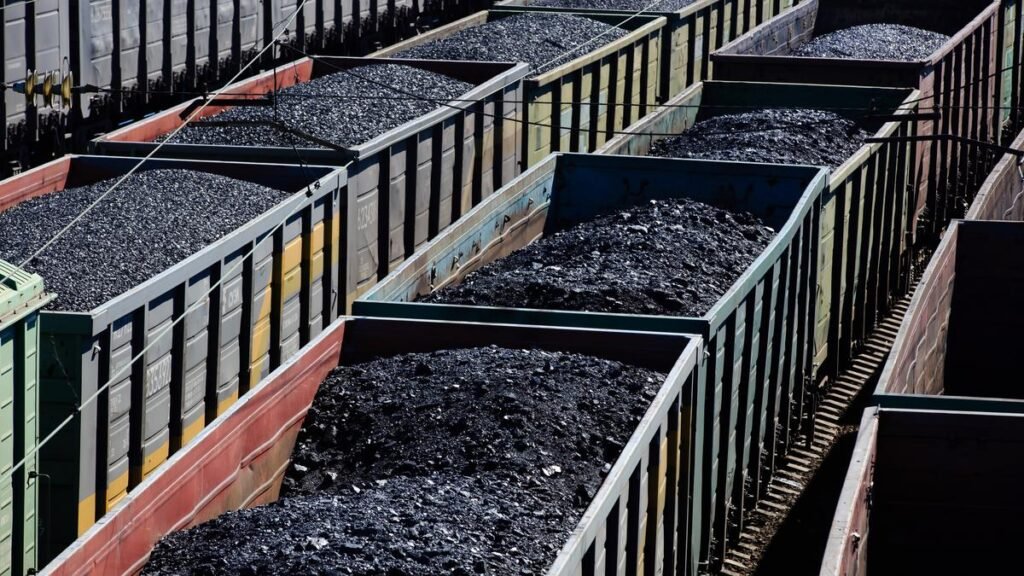
Coal continues to be one of the most critical energy resources in India. Despite the growing push toward renewable energy, coal remains the backbone of India’s electricity generation, accounting for nearly 70% of total power production. Because of this heavy dependence, any fluctuation in coal prices has a direct and widespread impact on the economy, industries, and households.
In this context, the Coal Minister’s decision to write to Chief Ministers (CMs) and Chief Secretaries of various states—urging them to ensure that coal prices are not increased—is a significant development. This move reflects concerns about inflation, energy security, and the need to maintain economic stability.
Background: Importance of Coal in India
India is the second-largest producer and consumer of coal in the world. The country relies heavily on coal for:
- Electricity generation (thermal power plants)
- Steel production
- Cement manufacturing
- Railways and other industries
Coal is especially important because:
- It is domestically available in large quantities.
- It is relatively cheaper compared to imported fuels.
- Infrastructure for coal-based energy is already well established.
However, coal pricing is a sensitive issue. Even a small increase can trigger a chain reaction affecting multiple sectors.
Why the Minister Intervened
The Coal Minister’s letter comes at a time when several economic pressures are building:
1. Rising Inflation
India has been dealing with inflationary pressures due to:
- Global energy price fluctuations
- Supply chain disruptions
- Geopolitical tensions
If coal prices rise, electricity tariffs could increase, which would further push inflation.
2. Power Demand Surge
India’s electricity demand has been steadily increasing due to:
- Industrial growth
- Urbanization
- Rising temperatures (increased air conditioning use)
Higher demand often leads to supply constraints, which can push coal prices upward.
3. Past Coal Shortages
India has experienced coal shortages in recent years due to:
- Heavy rainfall affecting mining
- Logistics issues
- Increased consumption
During shortages, prices tend to spike, affecting power generation.
Key Message of the Letter
The Coal Minister urged state governments to:
- Monitor coal prices closely
- Prevent artificial price hikes
- Ensure fair distribution of coal
- Take action against hoarding or black marketing
The emphasis is on coordination between the central and state governments to ensure that coal remains affordable and accessible.
Role of State Governments
State governments play a crucial role in the coal supply chain. Their responsibilities include:
1. Regulation and Monitoring
States are responsible for monitoring:
- Coal transportation
- Storage
- Distribution to industries
2. Preventing Malpractices
States must ensure that:
- There is no hoarding of coal
- Traders do not exploit shortages
- Prices remain within reasonable limits
3. Supporting Power Utilities
State electricity boards depend on stable coal supplies. Governments must ensure:
- Timely coal allocation
- Efficient logistics
- Smooth functioning of thermal plants
Impact of Coal Price Hikes
If coal prices increase, the effects can be widespread:
1. Electricity Tariffs Rise
Thermal power plants pass on increased fuel costs to consumers. This leads to:
- Higher electricity bills
- Increased cost of living
2. Industrial Costs Increase
Industries like steel and cement rely heavily on coal. Price hikes result in:
- Increased production costs
- Higher prices of goods
- Reduced competitiveness
3. Inflationary Pressure
Coal price hikes indirectly affect:
- Transportation costs
- Manufacturing costs
- Consumer goods prices
This contributes to overall inflation.
Government’s Strategy to Control Prices
The central government is taking several steps to ensure price stability:
1. Increasing Domestic Production
Efforts are being made to boost coal production through:
- Expansion of mining projects
- Faster clearances for new mines
- Use of advanced mining technologies
2. Reducing Dependence on Imports
Imported coal is expensive. The government is encouraging:
- Use of domestic coal
- Blending strategies to reduce import costs
3. Improving Logistics
Efficient transportation is key. Steps include:
- Enhancing railway connectivity
- Increasing coal rake availability
- Streamlining supply chains
4. Monitoring Market Behavior
Authorities are keeping a close watch on:
- Price trends
- Stock levels
- Supply-demand balance
Challenges in Implementation
Despite the directive, several challenges exist:
1. Demand-Supply Gap
If demand exceeds supply, prices may naturally rise despite regulations.
2. Transportation Bottlenecks
Coal transportation depends heavily on railways. Any disruption can affect supply.
3. Private Sector Dynamics
Private traders and industries may influence prices through:
- Stockpiling
- Speculative trading
4. Global Factors
International coal prices and geopolitical tensions can indirectly impact domestic markets.
Importance of Coordination
The success of this initiative depends on strong coordination between:
- Central government
- State governments
- Coal companies
- Power producers
- Railways
A unified approach ensures:
- Stable supply
- Fair pricing
- Efficient distribution
Role of Public Sector Companies
Companies like Coal India Limited (CIL) play a key role in maintaining price stability. Their responsibilities include:
- Ensuring steady production
- Maintaining adequate stock levels
- Supplying coal at regulated prices
CIL’s performance directly affects the entire coal ecosystem.
Long-Term Perspective
While controlling coal prices is important in the short term, India is also focusing on long-term energy strategies:
1. Renewable Energy Transition
India is investing heavily in:
- Solar energy
- Wind power
- Hydropower
This reduces dependence on coal over time.
2. Energy Efficiency
Improving efficiency in industries and power plants helps reduce coal consumption.
3. Diversification of Energy Sources
Using multiple energy sources ensures:
- Energy security
- Reduced risk of price shocks
Impact on Common Citizens
The Coal Minister’s directive is ultimately aimed at protecting consumers. Benefits include:
- Stable electricity prices
- Lower cost of living
- Reduced inflationary burden
For households, this means:
- Affordable power
- Predictable expenses
Economic Implications
Maintaining stable coal prices supports:
- Industrial growth
- Infrastructure development
- Job creation
It also ensures that India’s economic momentum is not disrupted by energy cost fluctuations.
Environmental Considerations
While coal is essential, it also has environmental impacts:
- Air pollution
- Carbon emissions
- Climate change concerns
Balancing economic needs with environmental sustainability remains a key challenge.
The Coal Minister’s letter to Chief Ministers and Chief Secretaries highlights the critical importance of coal in India’s economy. By urging states to prevent price hikes, the government aims to:
- Control inflation
- Ensure energy security
- Support economic stability
However, achieving these goals requires:
- Strong coordination between governments
- Efficient supply chain management
- Vigilant monitoring of market practices
In the long run, India must continue to transition toward cleaner energy sources while ensuring that its current dependence on coal does not become a barrier to economic growth.
This move is not just about controlling prices—it is about safeguarding the broader economic ecosystem and ensuring that energy remains accessible and affordable for all.