Commerce Ministry assures of restoration of full RoDTEP benefits to exporters from April 1: FIEO
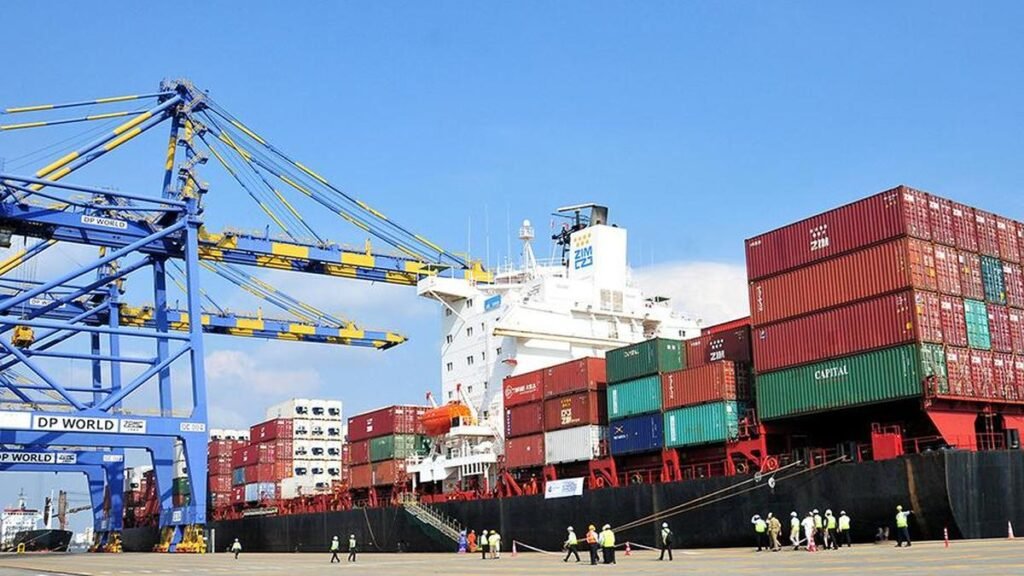
The Indian government has told exporters that they will get the benefits of the Remission of Duties and Taxes on Exported Products scheme also known as the RoDTEP scheme starting from April 1. This news comes from the Federation of Indian Export Organisations. The government had reduced the benefits of the RoDTEP scheme in February 2026 which caused a lot of concern among exporters.
The RoDTEP scheme is very important for Indias export businesses. It helps make Indian goods more competitive in the market by refunding the taxes and duties that exporters pay during production and logistics. The scheme is like a help to exporters as it makes sure that they do not have to pay extra taxes on the goods they export.
The decision to restore the benefits of the RoDTEP scheme is a big relief to exporters. They are facing a lot of challenges including rising costs, uncertainty in trade and tensions in West Asia that are increasing freight and insurance expenses. The RoDTEP scheme will help exporters to compete in the global market and to plan their production and pricing for the new financial year.
Here are some key things to know about the RoDTEP scheme:
1. Understanding the RoDTEP Scheme
1.1 What is RoDTEP?
The RoDTEP scheme is a government program that was launched in January 2021. It refunds exporters for taxes and duties that they pay during production and distribution. These taxes include electricity duties, fuel taxes and state and local levies.
1.2 Why was RoDTEP introduced?
The RoDTEP scheme was introduced to replace the Merchandise Exports from India Scheme. The old scheme was challenged at the World Trade Organization so India introduced the RoDTEP scheme to ensure that it follows trade rules. The RoDTEP scheme provides tax refunds and helps to strengthen Indias export competitiveness.
1.3 Refund rates under RoDTEP
Under the RoDTEP scheme exporters get refunds ranging from 0.3% to 3.9% of the export value depending on the sector and product category. The refund is provided as transferable scrips, which exporters can use to pay customs duties.
2. Why RoDTEP Benefits Were Reduced
2.1 Government’s February 2026 decision
In February 2026 the government reduced the RoDTEP benefits by around 50% for most products. This reduction was temporary. Caused a lot of concern among exporters.
2.2 Reason behind the reduction
The government reduced the RoDTEP benefits due to budget constraints and the need to rationalize government spending. The government had proposed increasing the RoDTEP budget. It allocated a smaller amount, which led to the temporary reduction.
2.3 Reaction from exporters
Exporters reacted strongly to the reduction in RoDTEP benefits. They argued that the reduction would make Indian products uncompetitive in the market and that policy changes create uncertainty for exporters.
3. Government Assurance to Restore Full Benefits
3.1 Announcement by FIEO
The Federation of Indian Export Organisations said that the government assured exporters that the reduced rates would remain until March 31 2026. From April 1 2026 the full RoDTEP rates will be reinstated.
3.2 Importance of the assurance
The announcement is a relief to exporters as it reassures them that the reduction was temporary and that export incentives will continue. The government is responsive to industry concerns. This decision will help exporters to plan their production and pricing for the new financial year.
4. Global Challenges Facing Exporters
The restoration of RoDTEP benefits comes at a time when exporters are dealing with global challenges, including the West Asian geopolitical crisis, rising logistics costs and a global economic slowdown. These challenges are affecting Indias export growth. Making it difficult for exporters to compete in the global market.
5. Impact of RoDTEP Restoration on Exporters
The restoration of RoDTEP benefits is expected to bring several advantages to exporters. It will improve export competitiveness support labour- sectors protect export orders and encourage small exporters. The RoDTEP scheme will help Indian exporters to remain competitive in the market and to expand their exports.
6. Impact on India’s Trade Performance
The restoration of RoDTEP benefits is also expected to have an impact on Indias trade performance. Indias exports have been growing slowly due to uncertainties and the RoDTEP scheme will help to strengthen export competitiveness and support industries. The government aims to reach $1 trillion in exports by 2030. Schemes like RoDTEP are critical for achieving this goal.
7. Budget and Policy Considerations
The restoration of RoDTEP benefits also highlights policy challenges. The government initially proposed increasing the RoDTEP budget. It allocated a smaller amount, which created a funding gap. The Commerce Ministry has reportedly sent a proposal to the Expenditure Finance Committee seeking allocations. Exporters emphasize that frequent policy changes create uncertainty and that long-term planning becomes difficult.
8. Comparison with Export Incentive Schemes
The RoDTEP scheme is different from other export incentive schemes, such as the Merchandise Exports from India Scheme and the Rebate of State and Central Taxes and Levies. The RoDTEP scheme focuses on tax neutrality, not subsidies. It covers a broader range of export sectors.
9. Role of FIEO
The Federation of Indian Export Organisations plays a role in advocating for the interests of exporters. It represents exporters concerns to the government provides trade information and promotes exports globally. FIEO played a role in advocating for the restoration of RoDTEP benefits.
10. Future Outlook for Indian Exports
The restoration of RoDTEP benefits may help to stabilize Indias export sector but long-term growth will depend on several factors, including infrastructure improvements, trade agreements and manufacturing competitiveness. India needs to improve its ports, logistics networks and shipping infrastructure to compete better in the market. The government is negotiating Free Trade Agreements with countries, which could expand export markets. To compete globally India must reduce production costs improve supply chains and increase capabilities.
The restoration of RoDTEP benefits is a significant relief to Indias exporters. The temporary reduction in February had caused concern among businesses already facing rising costs and global market uncertainty. By reinstating the rates the government aims to strengthen export competitiveness, support industries and maintain momentum in Indias trade growth. The RoDTEP scheme remains a pillar of Indias export policy ensuring that domestic taxes do not inflate the cost of exported goods. For India to achieve its long-term export ambitions, policies like RoDTEP must be complemented by reforms, in infrastructure, trade agreements and manufacturing competitiveness.