Crucial dependence: West Asia’s share in Indian oil imports rose to 54% just before the Iran war
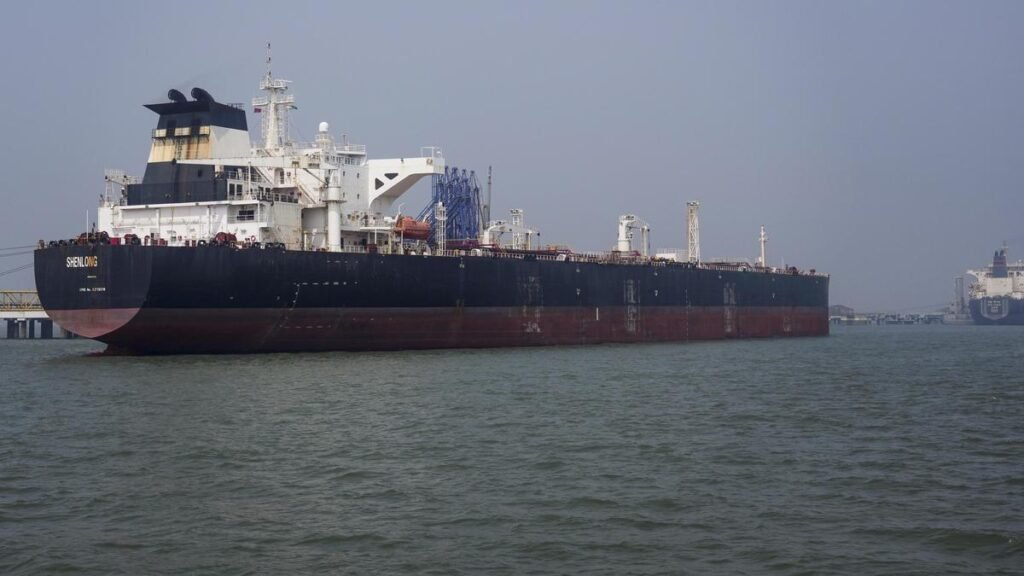
The statement “West Asia’s share in oil imports rose to 54% just before the Iran war” captures a crucial vulnerability in India’s energy system. To understand its meaning we must examine India’s oil dependency, the geopolitical importance of West Asia how this dependence increased over time and why it became particularly risky just before the 2026 Iran war.
### 1. India’s Energy Reality: A Nation Dependent on Imports
India is the world’s largest crude oil importer. Its domestic production is not enough to meet demand. As a result:
* Around 85–90% of India’s crude oil needs are met through imports.
* Oil is critical for:
* Transport (petrol, diesel, aviation fuel)
* Industry
*. Petrochemicals
* Household energy (indirectly via LPG, etc.)
This makes oil not just an energy issue—but a strategic and economic lifeline for India.
### 2. What is “West Asia” and Why It Matters
West Asia ( called the Middle East) includes major oil-producing countries such as:
* Saudi Arabia
* Iraq
* UAE
* Kuwait
* Iran
* Qatar
This region holds a share of the world’s proven oil reserves. It is also geographically closer to India than alternatives like the U.S. Or Latin America.
India relies on West Asia because:
* It is closer which means shipping costs.
* There are established trade relationships.
* The crude quality is compatible with refineries.
* There are long-term supply contracts.
### 3. Rising Dependence: From Diversification to Re-concentration
India had been trying to diversify its oil sources over the past decade. It increased imports from:
* Russia
* United States
* Africa
However before the Iran war the trend reversed:
* West Asia’s share rose to 54% of India’s oil imports.
* Earlier figures show:
* ~38% in 2025
* ~51% in 2026
The dependence on West Asia rose again for several reasons:
1. Oil constraints: Discounts reduced or logistics became complex.
2. Price competitiveness: Gulf oil became relatively cheaper.
3. Refinery compatibility: Indian refineries are optimized for Middle Eastern crude.
4. Market dynamics: Global supply shifts pushed India back toward suppliers.
### 4. Timing: Why ” Before the Iran War” Matters
The phrase is critical because it highlights bad timing in strategic terms. Right when India became more dependent on West Asia the region entered a conflict—the Iran war (2026). This created a storm:
* **Supply Disruption Risk**: The Strait of Hormuz an oil route was disrupted. Around 50% of India’s oil passes through this chokepoint.
* **Price Shock**: Oil prices surged sharply due to war.
* **Shipping & Insurance Issues**: Tanker movement slowed. Insurance costs increased.
### 5. The Strait of Hormuz: A Strategic Chokepoint
This narrow sea passage between Iran and Oman is one of the critical energy routes in the world. It handles ~20–25% of oil trade. A large portion of:
* oil
* LNG
* LPG
depends on this route for India.
When Iran blocked or disrupted this strait during the war the consequences were immediate.
### 6. Impact on India After the War Began
Because of the 54% dependence on West Asia India faced challenges:
1. **Oil Price Inflation**: Global crude prices surged. Increased cost of imports widened India’s account deficit.
2. **Currency Pressure**: Higher oil import bills weakened the rupee. Countries intervened in markets.
3. **LPG Crisis**: shortage of cooking gas. Prices skyrocketed. A black market emerged.
4. **Industrial Disruptions**: Petrochemical shortages affected:
* Plastics
* Fertilisers
* Manufacturing
5. **Household Impact**: Rising fuel and cooking costs. Inflation in essentials.
### 7. Why This Dependence is Called “
The term “crucial dependence” reflects three dimensions:
1. **Economic Importance**: Oil affects:
* Inflation
* Growth
* Trade balance
a small price rise has large macroeconomic effects.
2. **Strategic Vulnerability**: Dependence on a conflict- region exposes India to:
* Wars
* Sanctions
* Political instability
3. **Limited Short-Term Alternatives**: Although India can import from:
* Russia
* U.S.
* Africa
Switching is not easy because of:
* Logistics
* Contracts
* Refinery compatibility
### 8. India’s Response to the Crisis
After the Iran war began India adopted strategies:
1. **Diversification**: Increased imports from Russia. Resumed buying from Iran after sanctions easing.
2. **Strategic Reserves**: Used emergency oil reserves.
3. **Policy Measures**: Monitoring stock levels. Controlling exports. Ensuring supply.
4. **Demand Management**: Prioritising sectors. Encouraging fuels.
### 9. Long-Term Lessons for India
The rise to 54% dependence before the war highlights key lessons:
* **Need for Diversification**: India must avoid over-reliance on any one region.
* **Strategic Reserves Expansion**: Current reserves are limited compared to economies.
* **Energy Transition**: Shift toward:
* Solar
* Wind
* Electric mobility
* **Geopolitical Balancing**: Maintain relations with:
* Gulf countries
* Russia
* U.S.
* Iran
### 10. Broader Global Context
India is not alone—Asia as a whole is heavily dependent on West Asia:
* Japan: ~95% oil from the region
* South Korea: ~70%
* India: ~55%
This makes the region’s stability globally critical.
The statistic that West Asia’s share in oil imports rose to 54% just before the Iran war is more than just a number—it is a warning signal about energy vulnerability. It shows that:
* India’s diversification efforts were incomplete.
* Dependence on an unstable region increased.
* The timing amplified the shock when war broke out.
The Iran war exposed how interconnected energy security, geopolitics and economic stability are. For India the lesson is clear: Energy security is not about buying oil—it is about where it comes from how it is transported and how resilient the system is, to global shocks.