Crude oil futures rise ₹94 to ₹8,898 per barrel; Brent breaches $100
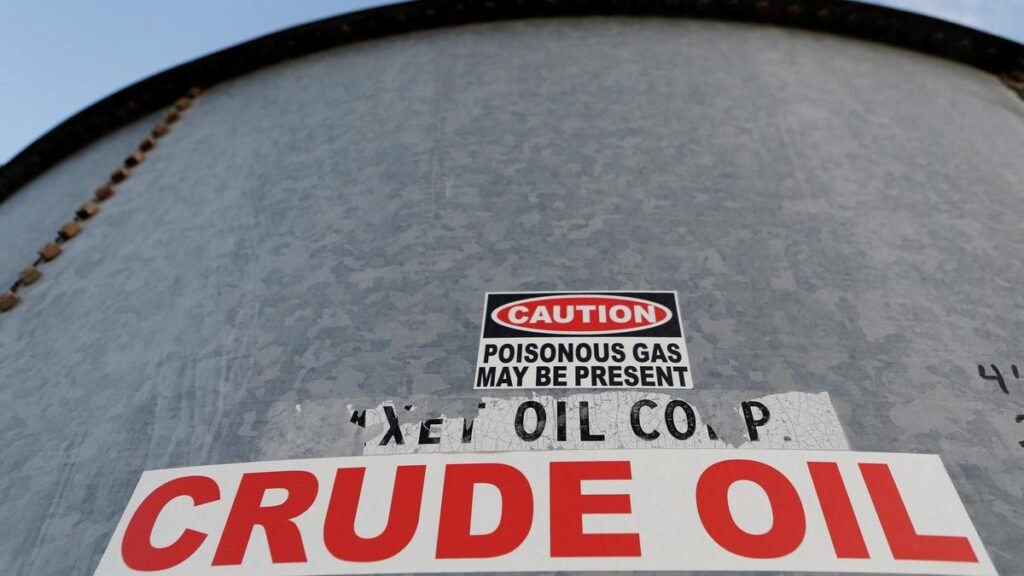
The crude oil market has seen a change recently. In India crude oil futures went up by ₹94 to ₹8,898 per barrel. At the time international benchmark Brent Crude Oil went over $100 per barrel. This sharp increase is because of rising tensions between countries, concerns about supply and expectations of demand in global energy markets.
Crude oil prices affect things like the global economy, inflation, transportation costs, government budgets and stock markets. So when oil prices surge it becomes an economic and political issue worldwide.
### Understanding Crude Oil and Futures Trading
#### What is Crude Oil?
Crude oil is a fossil fuel found underground. It is refined into products like:
* Petrol (gasoline)
* Diesel
* Aviation fuel
* LPG
* Kerosene
* Petrochemicals used in plastics and fertilizers
Oil powers transportation, industry, electricity generation and chemical manufacturing. That’s why it is often called the lifeline of the economy.
#### What Are Crude Oil Futures?
Crude oil futures are contracts where buyers agree to buy oil at a price on a future date.
In India crude oil futures are traded on the Multi Commodity Exchange of India (MCX). Globally they are traded on exchanges like the New York Mercantile Exchange and Intercontinental Exchange.
Traders use futures contracts to:
* Hedge against price fluctuations
* Speculate on price movements
* Manage supply risk
When futures prices rise it means market participants expect oil prices to stay high or go higher.
### Major Oil Benchmarks in the World
Two major benchmarks determine crude oil pricing:
* **Brent Crude**: Extracted from oil fields in the North Sea between the UK and Norway. It is a benchmark for two-thirds of international oil trade and highly sensitive to geopolitical tensions.
* **WTI Crude**: Produced in the United States. It has sulfur content and is mainly used in North America.
### Why Crude Oil Prices Are Rising
Several factors contributed to the surge in oil prices:
1. **West Asia Geopolitical Tensions**: Growing conflict in West Asia (Middle East) with issues like attacks on oil tankers threats to shipping lanes and military tensions.
2. **Supply Concerns**: Oil supply may tighten due to production cuts by OPEC and OPEC+ shipping disruptions and sanctions on oil-exporting countries like Iran and Russia.
3. **Rising Global Demand**: Demand for oil is increasing due to recovery, higher industrial activity and growing travel and aviation demand.
### Why the $100 Level Is Important
The $100 price mark is significant because when oil crosses this level inflation risk increases, transport costs rise, fuel prices increase globally and stock markets become volatile.
### Impact on India
India is heavily affected by rising oil prices because it imports about 85% of its crude oil needs. Higher prices increase import costs fuel inflation rises. It impacts major Indian refiners like Indian Oil Corporation, Bharat Petroleum and Hindustan Petroleum.
### Impact on Inflation
Rising oil prices contribute to inflation measured by the Consumer Price Index (CPI). This may force banks to raise interest rates.
### Impact on Stock Markets
Rising oil prices often trigger stock market declines due to production costs for companies, lower profit margins and reduced consumer spending. However oil exploration companies like Oil and Natural Gas Corporation and Oil India Limited benefit from prices.
### Impact on Global Economy
Oil prices affect every country. Oil-importing countries face import bills, currency pressure and inflation while oil-exporting countries benefit from higher prices.
### Strategic Petroleum Reserves
Countries maintain emergency oil reserves to handle supply shocks. India maintains reserves through Indian Strategic Petroleum Reserves Limited.
### Future Outlook for Oil Prices
Experts believe oil prices could remain volatile due to factors, including continued conflict, supply stabilization and global economic slowdown.
### Government Measures in India
The Indian government may take steps to control the impact of oil prices such as reducing fuel taxes increasing strategic oil reserves encouraging alternative energy and promoting electric vehicles.
### Long-Term Energy Transition
The global energy system is shifting toward sources like solar energy, wind power and electric vehicles. However oil will remain an energy source for several decades.
The rise in crude oil futures and Brent crude crossing $100 reflects growing concerns, about oil supply, geopolitical tensions and increasing energy demand. For India high oil prices present economic challenges. Globally oil price movements influence markets, economic growth and political decisions.