Gold, silver crash over 7% amid West Asia tensions
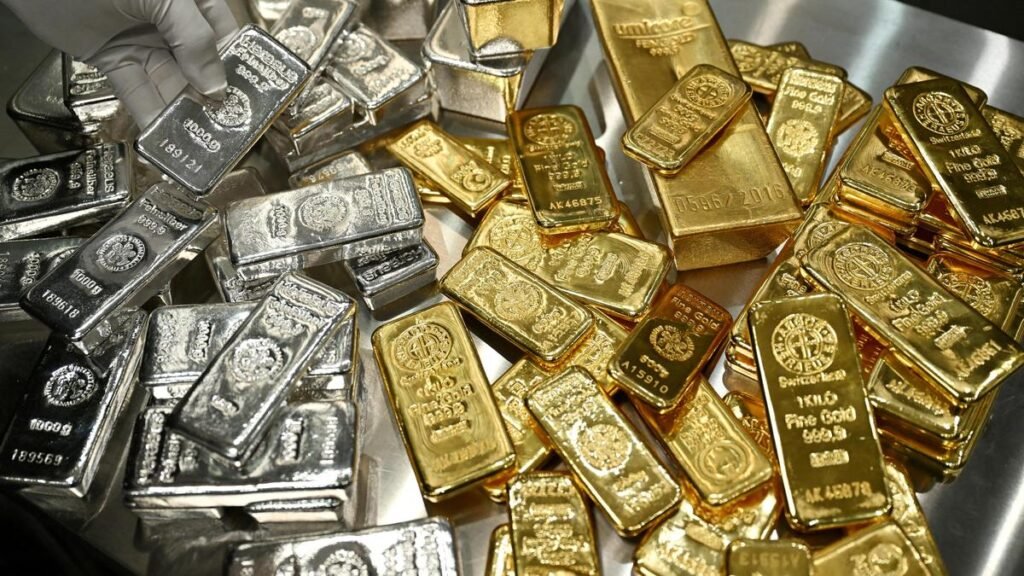
The headline “Gold, silver crash over 7% amid West Asia tensions” shows a change in global financial markets. Normally gold and silver are assets and their prices go up during wars or crises.. Now with the US–Iran conflict and West Asia tensions both metals have fallen sharply.
Here is what happened:
* Gold and silver prices fell sharply by 7%–10% in a time.
* Gold has dropped over 20–25% from its peak in 2026.
* Silver has fallen more sharply with weekly declines up to 14–25%.
* Gold ETFs also declined around 6–7% in a day showing selling by investors.
This decline happened even though war tensions increased, which is unusual.
Normally when there is a war or crisis investors. Buy gold so the gold price rises.. Here the war increased and gold fell instead of rising. This shows a shift in market behavior.
There are reasons behind the crash:
* ** US Dollar**: The US dollar became stronger during the crisis. When the dollar rises gold becomes expensive for countries and this reduces demand. As a result gold prices fall.
* **Rising Interest Rates**: Central banks are expected to keep interest rates high due to inflation fears. Gold gives no interest or income so investors prefer bonds and fixed-income assets of gold.
* **Profit Booking**: Gold had reached record highs earlier. Investors started selling to book profits. This heavy selling caused the price crash.
* **Liquidity Needs**: During crises investors need cash for covering losses in stocks. Meeting margin calls. So they sell gold—even if it’s an asset. This creates pressure.
* **Oil Price Shock & Inflation**: The West Asia war disrupted oil supply and oil prices crossed $100+ per barrel. This caused inflation fears and expectations of interest rates both of which are negative for gold.
* **Shift in Investor Preference**: Investors moved money into cash, US dollars and equities (stocks). As a result gold lost demand.
* ** Priced-in” War Risk**: Markets had already expected conflict escalation and oil disruptions. So when the war actually intensified there was no buying in gold and instead selling started.
* **Technical Market Factors**: Gold was overbought earlier and when prices started falling, stop-loss triggers. Automated selling increased. This accelerated the crash.
The ongoing conflict in West Asia has had a global impact, including disrupted oil supply threatened Strait of Hormuz increased global inflation and economic uncertainty.. Instead of helping gold it strengthened the dollar and increased interest rate expectations, which pushed gold down.
Silver fell more than gold because it is both a precious metal and an industrial metal. When economic slowdown fears increase, industrial demand. Silver drops faster than gold.
In the market gold prices on MCX fell sharply with an ₹8,000 drop in a day. Silver prices also crashed. Gold loan companies saw stock declines and the Indian stock market Sensex, fell ~1800 points. Investors lost ₹14 lakh crore in hours showing financial stress.
The question is, is gold losing its ” haven” status? This is a debate. Earlier gold was considered the asset in a crisis. Now gold is behaving like an asset linked to interest rates not purely a crisis hedge. Experts say gold is now influenced by interest rates, dollar strength and liquidity than geopolitical fear.
In the term there will be high volatility and prices may remain weak. It depends on war developments and interest rates. But in the term gold is still positive because inflation remains high global uncertainty continues and central banks still hold gold.
The key takeaway is that the crash does not mean gold is useless; it means market dynamics are changing. The new reality is that gold rises when interest rates fall and the dollar weakens, not just when war happens.
In terms the crash of gold and silver by over 7% happened because of a strong US dollar, rising interest rates, profit booking investors needing cash, oil-driven inflation fears and a shift, towards other assets. Even though war usually boosts gold this time economic factors overpowered factors.