Government examining compliance burden on MSMEs due to West Asia crisis
The ongoing troubles in West Asia, the conflicts that affect important trade routes oil supplies and logistics networks have had a big impact on the economy all around the world. India is deeply connected to trade and relies heavily on energy imports so it is facing many challenges. One of the sectors that is most affected is the Micro, Small and Medium Enterprises segment, which’s the backbone of the Indian economy.
In this situation the Indian government has started looking at the burden of rules and regulations on Micro, Medium Enterprises realizing that when you add regulatory pressures to external shocks like the West Asia crisis it can severely impact the ability of businesses to keep running. This explanation will look at the issue in depth covering the background of the crisis how it affects the economy the vulnerabilities of Micro, Medium Enterprises the challenges of compliance the governments response and future policy directions.
1. Background: West Asia Crisis and Its Global Impact
The West Asia region is very important for energy supplies and trade routes. Key areas like the Strait of Hormuz and the Red Sea are crucial for shipping oil, gas and goods.
Because of the crisis:
* Shipping routes have been disrupted
* Insurance and freight costs have gone up
* Energy prices have increased
* Trade flows have become uncertain
These disruptions directly affect countries like India, which:
* Imports 90% of its crude oil
* Relies on trade for exports and imports
* Has a large export-oriented Micro, Small and Medium Enterprises sector
2. Importance of Micro, Small and Medium Enterprises in India
Micro, Medium Enterprises are crucial for Indias economy:
* They contribute around 31% to the countrys GDP
* They account for around 48% of exports
* They employ over 32 crore people
They are especially important because:
* They support employment in semi-urban areas
* They drive manufacturing and exports
* They act as suppliers in global value chains
However Micro, Medium Enterprises are also highly vulnerable due to:
* Limited financial reserves
* Dependence on markets
* Sensitivity to cost increases
3. How the West Asia Crisis Is Affecting Micro, Medium Enterprises
3.1 Supply Chain Disruptions
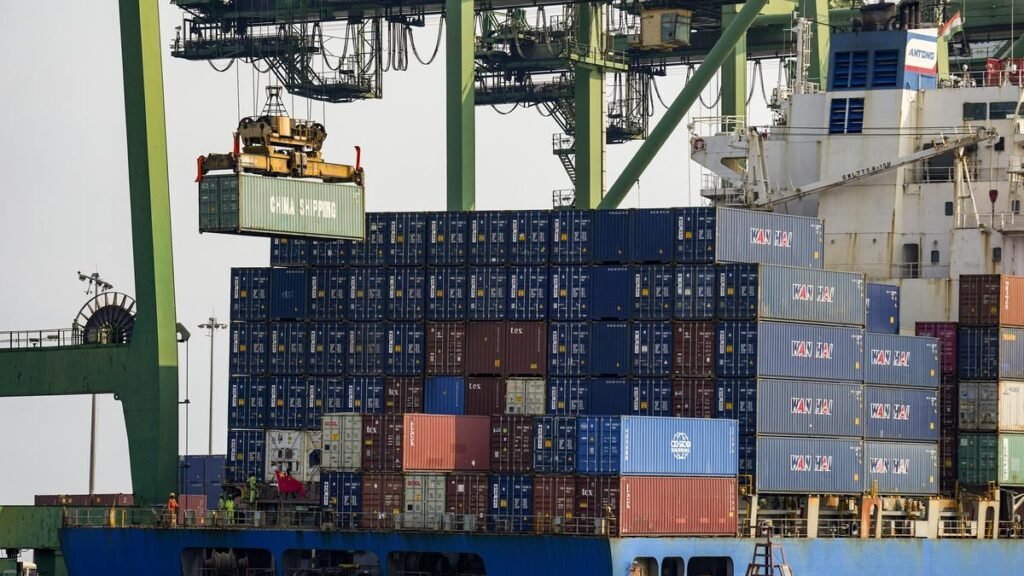
The crisis has disrupted global logistics networks:
* Ships are being rerouted, increasing transit time by 15-20 days
* Delivery schedules are being delayed
* Raw material availability is uncertain
For Micro, Medium Enterprises:
* Production cycles are being disrupted
* Inventory planning is becoming difficult
* Export commitments are harder to meet
3.2 Rising Freight and Logistics Costs
One of the severe impacts is the spike in freight rates:
* Freight costs have surged from around $300 to around $8,500 per container in some cases
* Marine insurance premiums have increased
This leads to:
* Higher export costs
* Reduced global competitiveness
* Shrinking profit margins
3.3 Increase in Input Costs
Energy and raw material prices have risen sharply:
* Petrochemical inputs like polymers and resins have become expensive
* Manufacturing costs have increased significantly
For example:
* The leather, plastics and textile sectors are facing cost pressures
* Input costs in some industries have risen by up to 30%
3.4 Export Uncertainty and Demand Shock
Micro, Medium Enterprises that depend on exports are facing:
* Order cancellations
* Delayed payments
* International demand
This creates:
* Liquidity problems
* Idle production capacity
* Revenue instability
3.5 Liquidity and Credit Stress
Due to rising costs and delayed payments:
* Working capital’s getting locked
* Cash flow cycles are being disrupted
This is especially dangerous for Micro, Small and Medium Enterprises which operate on thin margins.
4. What Is the Compliance Burden on Micro, Medium Enterprises?
The compliance burden refers to:
* requirements
* Documentation
* Tax filings
* Licensing and approvals
Examples include:
* GST compliance
* Environmental regulations
* Labour laws
* Export documentation
While necessary these can become problematic when:
* Businesses face shocks
* Costs and uncertainties increase
5. Why Compliance Burden Is a Concern Now
The government is examining the compliance burden because:
* Micro, Medium Enterprises are facing external shocks and internal pressures
* This creates inefficiency, increased compliance costs and reduced focus on core business
5.1 Double Pressure on Micro, Small and Medium Enterprises
Micro, Small and Medium Enterprises are facing:
* External shocks like costs, logistics and demand
* Pressures like regulations and paperwork
Together this creates:
* Operational inefficiency
* Increased compliance costs
* Reduced focus on core business
5.2 Time and Cost Constraints
Compliance requires:
* Time for filing returns and approvals
* Money for consultants and penalties
In crisis conditions:
* These become harder to manage
* Errors and penalties increase
5.3 Reduced Ease of Doing Business
Complex compliance:
* Discourages entrepreneurs
* Increases informalization
* Reduces competitiveness
6. Governments Response
6.1 Review of Micro, Small and Medium Enterprises Compliance Burden
The government is
* Consulting exporters and industry bodies
* Identifying bottlenecks
* Considering relaxation measures
This reflects a policy approach.
6.2 Weekly Monitoring Mechanism
A major step is:
* Setting up a system to track export-import trends and sectoral stress
This helps:
* Identify problems
* Respond quickly
* Support affected sectors
6.3 Consultation with Exporters
The government has:
* Held meetings with exporters
* Discussed logistics, shipping and packaging issues
This ensures:
* Ground-level feedback
* Targeted policy interventions
6.4 Financial Support Measures
Proposals include:
* Credit guarantee schemes
* Loan restructuring
* Emergency funding
For example:
* The government is considering guarantees covering around 90% of Micro, Small and Medium Enterprises loans
6.5 Regulatory Reforms
Recent steps include:
* Decriminalisation of offences
* Simplification of compliance rules
The Jan Vishwas reforms aim to:
* Replace criminal penalties with civil penalties
* Reduce fear of doing business
7. Key Areas Where Compliance May Be Relaxed
The government may consider easing:
* Tax compliance, such as GST refunds and simplified return filing
* Export documentation, such as reduced paperwork and digital processing
* Environmental and labour norms such as temporary relaxations and self-certification systems
* Financial reporting such as extended deadlines and reduced penalties
8. Industry Demands
Industry bodies have suggested:
* Moratorium on loans
* Tax relief measures
* Reduction in duties on materials
* Support for logistics costs
These demands highlight:
* The severity of Micro, Medium Enterprises stress
* The need for intervention
9. Broader Economic Implications
9.1 Inflationary Pressures
Higher input costs lead to prices.
9.2 Slower Growth
The slowdown of Micro, Medium Enterprises affects:
* Manufacturing
* Exports
* Employment
9.3 Supply Chain Reconfiguration
India may need:
* sourcing
* Domestic production boost
10. Challenges in Reducing Compliance Burden
While easing compliance is necessary it involves risks:
* Regulatory dilution may affect quality standards
* Reduced oversight may lead to misuse
* Coordination across ministries is complex
Hence reforms must be:
* Balanced
* Targeted
* Temporary in some cases
11. Long-Term Policy Solutions
11.1 Digital Compliance Systems
The government can set up:
* Single-window portals
* Automated filings
11.2 Risk-Based Regulation
The government can focus on:
* High-risk firms
* Reduce burden on businesses
11.3 Supply Chain Diversification
India can:
* Reduce dependence on West Asia
* Diversify sourcing
11.4 Financial Strengthening
The government can provide:
* Better credit access
* Working capital support
The West Asia crisis has shown the weaknesses of Indias Micro, Small and Medium Enterprises sector its sensitivity to global shocks. Rising costs, disrupted logistics and uncertain export markets have created an environment for small businesses.
In this situation the compliance burden becomes a factor. Even routine regulatory requirements can turn into obstacles when businesses are struggling to survive.
The governments move to examine and potentially reduce compliance burdens is both timely and necessary. By combining easing with financial support and real-time monitoring the government aims to ensure that Micro, Small and Medium Enterprises remain resilient.
Ultimately the crisis presents an opportunity:
* To reform compliance systems
* To strengthen Micro, Small and Medium Enterprises competitiveness
* To build a resilient and self-reliant economy
If handled effectively these reforms can transform Micro, Small and Medium Enterprises from vulnerable entities into robust drivers of Indias long-term growth. The Micro, Small and Medium Enterprises sector is crucial for Indias economy and the governments efforts to support it will be important, for the countrys future.