Government pledges to allocate additional 10% commercial LPG to States, UTs
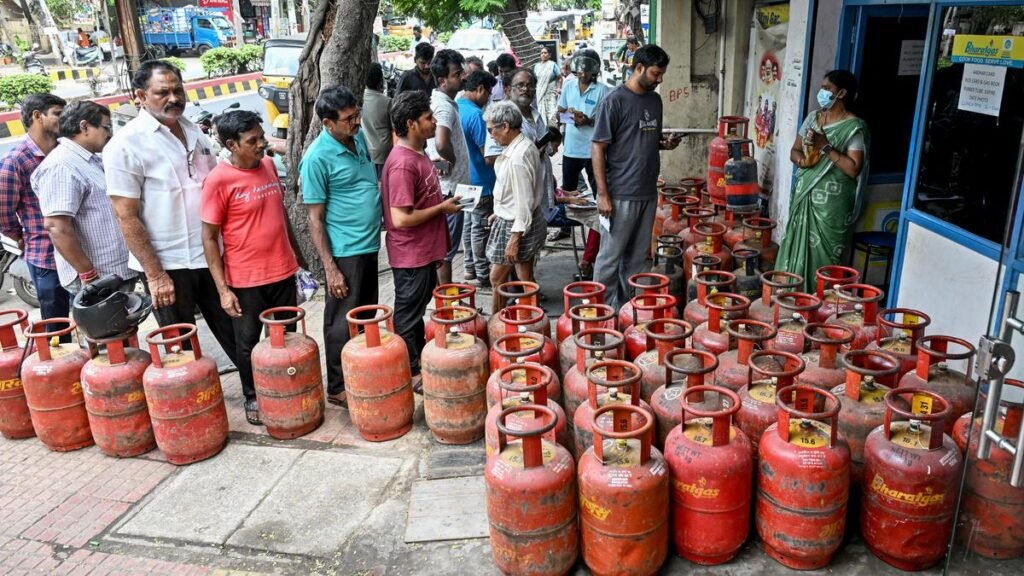
The Government of India has made a decision to give more commercial Liquefied Petroleum Gas to states and union territories. This is a move to deal with the energy supply problem that India is facing right now.
1. Why this decision was needed
India is facing a time with its Liquefied Petroleum Gas supply. The government has said that this is a situation.
1.1 India relies heavily on imports
India gets around 60% of its Liquefied Petroleum Gas from countries. Most of it comes from the Middle East. This makes the supply vulnerable to problems in that region.
1.2 Global problems affect Liquefied Petroleum Gas supply
There are conflicts in West Asia and problems in the Strait of Hormuz which’s an important route for energy shipping. These problems have affected the Liquefied Petroleum Gas supply chain.
Shipping delays and reduced availability have made the supply even tighter around the world.
1.3 people are using Liquefied Petroleum Gas in India
India has over 300 million Liquefied Petroleum Gas users, including households and businesses. People are buying Liquefied Petroleum Gas and booking it in advance, which has put a strain on the supply system.
1.4 Commercial sectors are under pressure
Commercial Liquefied Petroleum Gas is used in places like hotels, restaurants, small industries, hospitals and institutions. Because the government is giving priority to households these sectors are facing shortages. This is leading to problems like business disruptions and job losses.
2. What the government has announced
The central government has decided to give a 10% commercial Liquefied Petroleum Gas to states and union territories. But this is not without conditions. It is linked to reforms.
2.1 The government wants states to promote Piped Natural Gas
States will get Liquefied Petroleum Gas if they promote the use of Piped Natural Gas and support city gas distribution networks. They also need to approve gas projects
2.2 States need to meet conditions to get more Liquefied Petroleum Gas
The extra 10% Liquefied Petroleum Gas is divided into different parts based on the reforms that states need to implement. For example states need to set up committees give approvals for gas projects and implement certain policies for pipelines.
3. Objectives of the policy
This policy has term and long-term goals.
3.1 Short-term goals
The government wants to increase the availability of Liquefied Petroleum Gas for users. It wants to prevent the shutdown of restaurants, hotels and small businesses. It also wants to reduce panic buying and hoarding and stabilize prices and supply chains.
3.2 Long-term goals
The government wants to reduce Indias dependence on imported Liquefied Petroleum Gas. It wants to promote the use of fuel alternatives like Piped Natural Gas. It also wants to build an urban gas infrastructure and improve energy security.
4. Why focus on Liquefied Petroleum Gas?
The government has given priority to Liquefied Petroleum Gas users, especially under schemes like Pradhan Mantri Ujjwala Yojana. This scheme aims to provide cooking fuel to poor households.
4.1 Result of prioritization
Domestic consumers are still getting Liquefied Petroleum Gas. Commercial sectors are facing shortages. This is affecting businesses like restaurants and hotels.
4.2 Impact on businesses
Restaurants are being forced to cut their operations. The hospitality sector is under stress. There are also supply chain disruptions in the food industry.
5. Link with Piped Natural Gas
A key part of this policy is the push towards Piped Natural Gas adoption.
5.1 Why Piped Natural Gas?
Piped Natural Gas is considered reliable, safer and cleaner than Liquefied Petroleum Gas. It is also less dependent on imports.
5.2 Government strategy
of just increasing Liquefied Petroleum Gas supply the government is using Liquefied Petroleum Gas allocation as an incentive tool. It is encouraging a shift to Piped Natural Gas. This reflects a policy shift from crisis management to energy transition planning.
6. Other measures taken by the government
The 10% Liquefied Petroleum Gas allocation is part of a set of government actions.
6.1 Increasing domestic production
Refineries have been instructed to boost Liquefied Petroleum Gas output.
6.2 Diversifying imports
The government is sourcing Liquefied Petroleum Gas from countries like the USA, Norway and Russia.
6.3 Anti-hoarding actions
The government is taking actions to prevent marketing and monitoring supply chains.
6.4 Encouraging alternative fuels
The government is encouraging the use of fuels like coal, biomass and Piped Natural Gas for industries. This will reduce the pressure on Liquefied Petroleum Gas.
7. Role of states and union territories
The success of this policy depends heavily on state governments.
7.1 Responsibilities of states
States need to approve gas pipeline projects provide land and permissions reduce local taxes and charges and promote Piped Natural Gas connections.
7.2 Cooperative federalism in action
This policy reflects the centre providing incentives and states implementing reforms.
8. Economic implications
8.1 Positive impacts
This policy will bring relief to the hospitality and MSME sectors prevent business shutdowns and stabilize supply chains.
8.2 Cost considerations
Increased imports may raise the burden and infrastructure development will require investment.
8.3 Inflation control
Better Liquefied Petroleum Gas availability will help control food prices and reduce costs.
9. Social implications
9.1 Protection of livelihoods
This policy will protect the livelihoods of millions of people who depend on Liquefied Petroleum Gas-based businesses. It will prevent job losses in the sector.
9.2 welfare
It will ensure uninterrupted cooking fuel and maintain essential services like schools and hospitals.
10. Environmental implications
10.1 Liquefied Petroleum Gas vs Piped Natural Gas
Liquefied Petroleum Gas is cleaner than coal but still a fossil fuel. Piped Natural Gas is relatively cleaner and more efficient.
10.2 Long-term sustainability
The shift to Piped Natural Gas will support emissions and better urban air quality.
11. Challenges in implementation
Despite its benefits the policy faces challenges.
11.1 Infrastructure gaps
Piped Natural Gas networks are not available everywhere and the initial cost of pipelines is high.
11.2 State-level delays
There may be approvals and land acquisition issues.
11.3 Consumer resistance
There may be switching costs and awareness gaps.
12. Future outlook
The policy signals a transition phase in Indias energy sector.
12.1 Likely developments
There will be an expansion of city gas networks reduced reliance on Liquefied Petroleum Gas in areas and increased domestic energy production.
12.2 Strategic shift
India is moving towards energy diversification reduced import dependency and a cleaner fuel ecosystem.
The governments decision to allocate an additional 10% commercial Liquefied Petroleum Gas to states and union territories is a multi-dimensional policy response to a complex energy challenge. It addresses shortages in commercial sectors, economic disruptions and supply chain instability. At the time it encourages a long-term transition to Piped Natural Gas strengthens energy security and promotes sustainable fuel usage. This move is not about increasing Liquefied Petroleum Gas supply. It is, about reshaping Indias energy landscape through a mix of crisis management, economic support and structural reform.