Government to review windfall tax imposed on export of diesel and ATF on fortnightly basis: CBIC chief
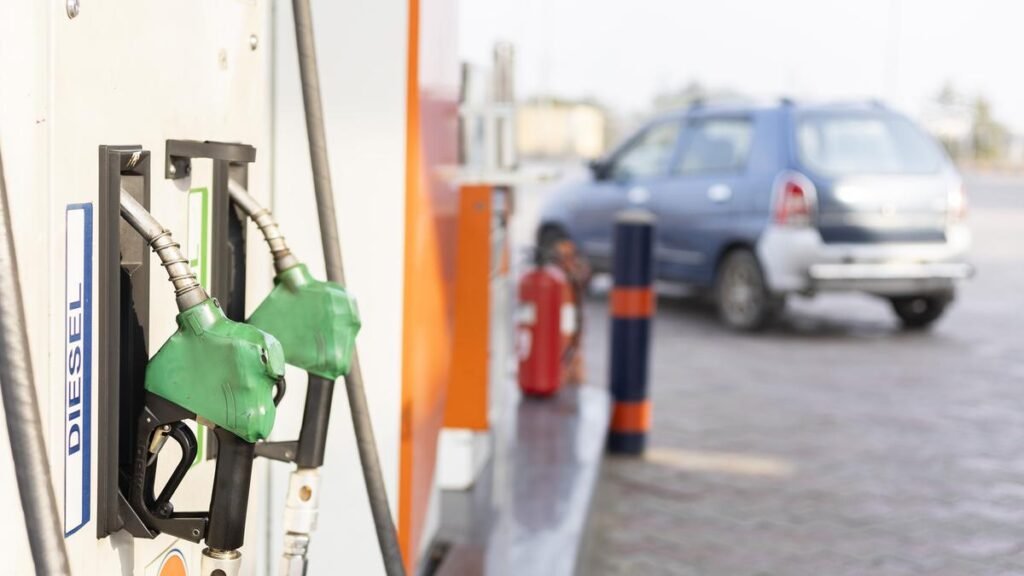
The Government of India has announced that it will review the windfall tax on diesel and aviation turbine fuel (ATF) exports every 15 days.
This decision was communicated by CBIC Chairman Vivek Chaturvedi. He indicated that the policy will remain dynamic and flexible depending on oil prices domestic supply and economic conditions.
The government wants to:
* Protect domestic fuel supply
* Control inflation
* Manage pressure
* Respond to volatile global oil markets
## Understanding Windfall Tax
### What is Windfall Tax?
A windfall tax is a tax imposed on companies when they earn profits.
This happens due to factors like war, price shocks or supply disruptions.
In the oil sector windfall profits arise when:
* Global crude oil prices rise sharply
* Refiners export fuel at international prices
* Domestic prices remain controlled
### Why is it called “windfall”?
Because companies gain profits without effort.
They simply benefit from market conditions.
## Current Tax Details (India – 2026)
The government has imposed the following export duties:
* Diesel export tax: ₹21.5 per litre
* ATF export tax: ₹29.5 per litre
These taxes aim to discourage exports and increase availability.
## Why Fortnightly Review?
### Dynamic Global Situation
The CBIC chief stated that the situation is dynamic.
Global oil markets are unstable due to:
* Geopolitical tensions
* Supply disruptions
* Price volatility
### Need for Flexibility
A fixed tax policy cannot work in conditions.
The government will:
* Review supply-demand trends every 15 days
* Adjust tax rates accordingly
* Balance exports and domestic needs
## Background: Why was the tax reintroduced?
### Global Oil Crisis
Oil prices surged sharply due to tensions.
The government reduced excise duty on petrol and diesel.
It also imposed an export tax on diesel and ATF.
### Domestic Impact
High global prices lead to:
* Increased fuel costs
* Inflation
* Pressure on consumers
## Link with Excise Duty Cuts
The government simultaneously:
* Reduced excise duty on petrol and diesel by ₹10 per litre
* Purpose: prevent rise in retail fuel prices support oil marketing companies (OMCs) and reduce inflation
## Objectives of the Policy
### Ensure Domestic Supply
Export taxes make exports less attractive.
More fuel stays in India.
### Control Inflation
Fuel prices affect:
* Transport costs
* Food prices
* Industrial costs
### Protect Consumers
The government absorbs cost of passing it to citizens.
### Support Oil Companies
OMCs often sell fuel below cost during price control periods.
## Impact on Oil Companies
### Negative Impact on Exporters
Companies like Reliance Industries faced:
* Profit reduction
* Stock decline
### Mixed Impact
Export-oriented refiners →
Domestic-focused companies → relatively stable
## Historical Context
### First Introduction (2022)
Windfall tax was first introduced in July 2022.
The purpose was to capture profits and prevent excessive exports.
### Removal (2024)
Removed in December 2024 due to falling oil prices.
### Reintroduction (2026)
Reintroduced due to global crisis.
## How the Fortnightly Review Will Work
Every 15 days the government will analyze:
* crude oil prices
* Export levels
* Domestic fuel availability
* Inflation trends
* Revenue impact
## Significance
### Fiscal Management
The government must balance:
* Revenue loss (due to tax cuts)
* Revenue gain (from export duties)
### Trade Balance
exports → foreign exchange gains
But may cause domestic shortages.
### Inflation Control
Fuel prices influence:
* CPI inflation
* Cost of living
## Impact on Different Stakeholders
### Consumers
* Benefit from fuel prices
* Protection from inflation
### Oil Companies
* Reduced export profits
* Some relief from excise cuts
### Government
* Gains some revenue
* Suffers overall revenue loss
### Economy
* inflation
* Controlled fuel supply
## Why Diesel and ATF Specifically?
### Diesel
Backbone of transport sector.
Used in trucks, agriculture, industry.
### ATF (Aviation Turbine Fuel)
Critical for aviation sector.
Impacts airline ticket prices.
## Strategic Importance of the Policy
This policy shows that India is:
* Adopting economic management
* Responding quickly to crises
* Prioritizing stability over exports
## Challenges Ahead
### Global Uncertainty
Oil prices may remain volatile.
### Fiscal Pressure
Government revenue loss is significant.
### Industry Concerns
Refiners may reduce investments due to uncertainty.
### Policy Complexity
Frequent changes can create confusion in markets.
## Advantages of Fortnightly Review
* policy
* Quick response to market changes
* Better supply management
* Reduced long-term risk
## Disadvantages
* Policy uncertainty
* Planning difficulties for companies
* Market volatility
## Future Outlook
The future of this policy depends on:
* Oil price trends
* stability
* Domestic fuel demand
If prices fall:
* Tax may be. Removed
If prices rise:
* Tax may be increased
## Key Takeaways
* Government imposed windfall tax on diesel & ATF exports
* Rates: ₹21.5/litre (diesel) ₹29.5/litre (ATF)
* Will be reviewed every 15 days
* Aim: ensure supply & control inflation
* Policy linked to global oil price volatility
The decision to review the windfall tax on diesel and ATF exports every fortnight reflects the government’s proactive and flexible approach.
It highlights a balancing act between:
* Protecting consumers
* Maintaining supply
* Supporting industry
* Managing health
In a world where energy markets are increasingly influenced by geopolitics, such adaptive policies are becoming essential tools, for economic stability.