HDFC Bank appoints law firms to probe Atanu Chakraborty’s allegations
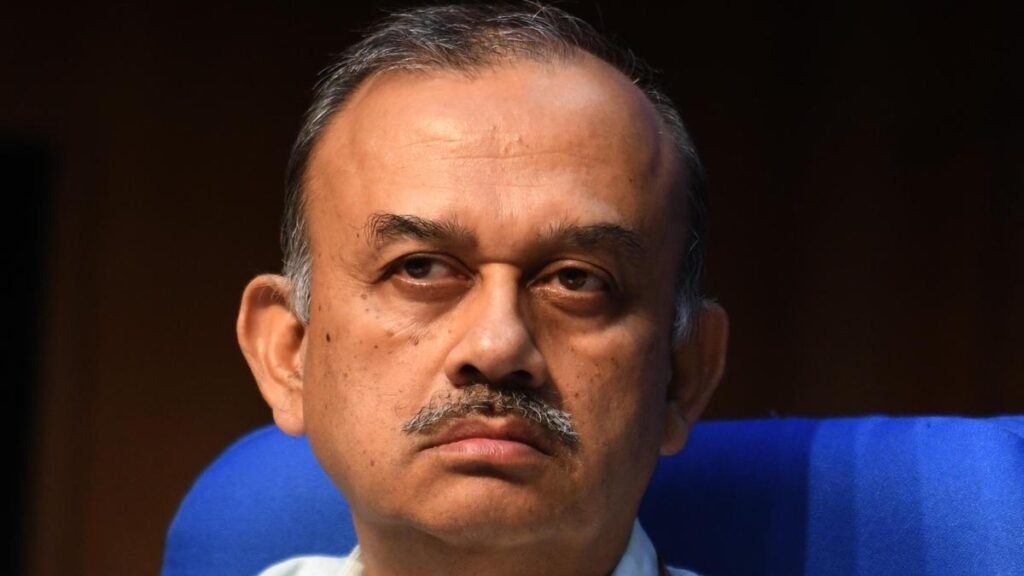
India’s largest private sector lender, HDFC Bank, recently faced a major governance controversy following the sudden resignation of its part-time chairman Atanu Chakraborty.
To address the situation, the bank has appointed multiple domestic and international law firms to investigate the concerns raised by Chakraborty in his resignation letter.
This move reflects the seriousness of the issue, as it touches upon corporate governance, ethics, investor trust, and regulatory oversight in India’s banking sector.
2. Background: Who is Atanu Chakraborty?
Atanu Chakraborty is a former IAS officer and senior policymaker who served as:
- Economic Affairs Secretary of India
- Part-time Chairman of HDFC Bank (2021–March 2026)
He played a crucial role during:
- The ₹40 billion HDFC–HDFC Ltd merger
- Strengthening governance oversight as an independent director
His resignation therefore came as a shock to investors and regulators.
3. The Resignation: What triggered the controversy?
3.1 Sudden exit
On March 18, 2026, Chakraborty abruptly resigned with immediate effect.
3.2 Key reason cited
In his resignation letter, he mentioned:
- Certain “happenings and practices”
- Not aligned with his “values and ethics”
3.3 Lack of specifics
Importantly:
- He did not clearly specify the exact issues or incidents
- This created ambiguity and speculation
👉 This combination (serious allegation + no details) triggered a governance crisis narrative.
4. Market Reaction and Immediate Impact
4.1 Stock market impact
- HDFC Bank shares fell around 12% in a few days
- Nearly ₹1 lakh crore market value wiped out
4.2 Investor concern
Investors feared:
- Possible governance lapses
- Internal conflicts at top leadership
- Regulatory risks
4.3 Partial recovery
After announcing the probe:
- Shares recovered slightly (1–3%)
👉 This shows how transparency measures can restore confidence.
5. HDFC Bank’s Response
5.1 Appointment of law firms
The bank took a proactive step:
- Appointed domestic and international law firms
- Asked them to:
- Review resignation letter
- Examine governance processes
- Submit findings in a “reasonable timeframe”
5.2 Likely firms involved
According to reports:
- Trilegal
- Wadia Ghandy & Co
- Plus a U.S.-based law firm
5.3 Scope of investigation
The probe will examine:
- Board meeting minutes
- Internal discussions
- Governance practices
- Ethical concerns raised
6. What exactly are the allegations?
Although unclear, the issues broadly relate to:
6.1 “Values and ethics” conflict
Chakraborty indicated:
- Disagreement with management practices
- Possible concerns over decision-making
6.2 Possible governance concerns
Reports suggest the probe will check:
- Whether:
- Proper procedures were followed
- Ethical standards were maintained
6.3 No concrete wrongdoing yet
HDFC Bank clarified:
- No specific unethical act was mentioned
- No direct accusation of fraud or misconduct
👉 So far, this is a “perception and governance issue”, not a proven scandal.
7. Role of Regulators
7.1 Reserve Bank of India (RBI)
Reserve Bank of India responded quickly:
- Found no material concerns in initial review
- Confirmed:
- Bank is financially strong
- Governance remains sound
7.2 Interim leadership
RBI approved:
- Keki Mistry as interim chairman
7.3 SEBI and governance commentary
Regulators emphasized:
- Independent directors must:
- Document concerns clearly
- Avoid vague allegations
8. Why appoint external law firms?
8.1 Ensuring independence
External firms provide:
- Neutral investigation
- No internal bias
8.2 Legal credibility
Findings can:
- Stand regulatory scrutiny
- Be used in future legal or compliance actions
8.3 Restoring trust
This step signals:
- Transparency
- Accountability
- Seriousness of governance
9. Broader Governance Issues Highlighted
9.1 Role of independent directors
This case raises questions:
- Should directors:
- Speak publicly?
- Raise concerns internally first?
9.2 Transparency vs confidentiality
Balance needed between:
- Confidential board discussions
- Public accountability
9.3 Ethical vs operational disagreements
Not all conflicts mean wrongdoing:
- Could be:
- Cultural differences
- Strategic disagreements
10. Corporate Governance Lessons
10.1 Importance of clarity
Ambiguous allegations:
- Create panic
- Damage reputation
10.2 Strong governance systems
Banks must have:
- Clear reporting mechanisms
- Independent audit processes
10.3 Communication strategy
Companies must:
- Respond quickly
- Provide reassurance to investors
11. Impact on HDFC Bank
11.1 Short-term
- Stock volatility
- Reputation concerns
11.2 Medium-term
- Increased regulatory scrutiny
- Governance review
11.3 Long-term
- Likely minimal financial impact if:
- No wrongdoing is found
12. Impact on Banking Sector
This case affects the broader industry:
12.1 Increased scrutiny
Other banks may:
- Strengthen governance frameworks
12.2 Investor sensitivity
Markets may react strongly to:
- Leadership exits
- Ethical concerns
12.3 Regulatory tightening
RBI may:
- Issue stricter governance norms
13. What happens next?
13.1 Investigation report
Law firms will:
- Submit findings soon
13.2 Possible outcomes
- No issues found → case closed
- Minor governance gaps → reforms
- Serious lapses → regulatory action
13.3 Market response
Depends on:
- Clarity of findings
- Transparency of disclosure
14. Key Takeaways
The decision by HDFC Bank to appoint external law firms marks a critical step in handling a governance controversy responsibly.
While the resignation of Atanu Chakraborty raised serious questions, the absence of specific allegations suggests this may ultimately be a case of differences in values rather than misconduct.
However, the episode underscores an important reality in modern finance:
👉 Perception matters as much as performance.
Even a hint of governance concern can:
- Shake markets
- Trigger regulatory scrutiny
- Affect investor confidence
If handled transparently, this investigation could:
- Strengthen HDFC Bank’s governance
- Set a benchmark for corporate accountability in India