India achieves one billion tonne coal production for 2nd consecutive year
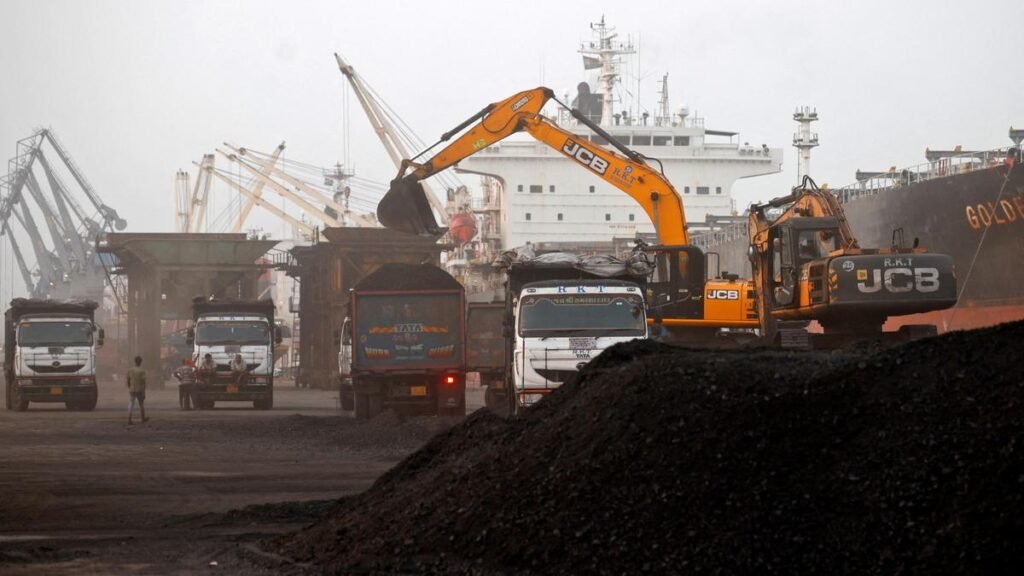
India has achieved a success in its energy sector by producing over 1 billion tonnes of coal for the second year in a row. It reached this milestone on March 20 2026.
This achievement shows:
* India has growth in domestic energy production
* Coal mining is more efficient now
* The country needs energy because of its growing economy
Coal is still very important for Indias energy system. This milestone is a deal for the countrys development and energy security.
## What Does “1 Billion Tonne Coal Production” Mean?
Producing 1 billion tonnes of coal every year means:
* India is one of the coal-producing countries in the world
* It ensures that there is always electricity
* It reduces the need for imported coal
India had already achieved this goal in the 2024-25 year and has now done it again. This shows that the country is consistent and stable.
## Importance of Coal in India’s Economy
### Backbone of Electricity Generation
* Coal provides around 70-75% of Indias electricity
* Thermal power plants rely heavily on coal
If there is not coal:
* There can be power shortages
* Industries may slow down
* Economic growth may be affected
### Support to Key Industries
Coal is crucial for:
* The steel industry
* Cement production
* Fertilizer manufacturing
* Brick kilns
These sectors are essential for infrastructure and economic development.
### Employment and Regional Development
Coal mining provides:
* Direct employment to workers
* Indirect employment in transport, logistics and services
States like Jharkhand, Odisha and Chhattisgarh rely heavily on the coal sector.
## Reasons Behind Achieving 1 Billion Tonne Production
### Government Policies and Reforms
The Government of India has taken steps:
* Allowed private players to mine coal commercially (since 2018)
* Faster environmental clearances
* logistics (railways, conveyor belts)
These reforms have boosted production significantly.
### Role of Public Sector Companies
* Coal India Limited (CIL) is the contributor
* Produces about 80% of India’s coal
Other contributors include SCCL (Singareni Collieries) captive and commercial mines.
### Technological Advancements
Modern mining techniques:
* Expansion of open-cast mining
* Use of machinery
* Digital monitoring systems
These have increased productivity and reduced delays.
### Better Coordination Across Supply Chain
The government highlighted:
* coordination between mines, railways and power plants
* Efficient coal transportation
This ensured a supply and reduced shortages.
## Impact of This Achievement
### Energy Security Strengthened
* India can meet its energy demand internally
* Reduced dependence on imports
This is especially important during crises.
### Stable Electricity Supply
* Adequate coal stock at plants
* Ability to meet peak summer demand
Coal availability ensures:
* No major power cuts
* grid operation
### Boost to Economic Growth
* Higher coal production supports industries
* Increases GDP growth
* Enhances infrastructure development
### Reduced Import Bill
* India imports coal for the steel industry
*. Higher domestic production saves foreign exchange and improves trade balance
## Coal Stocks and Supply Situation
* India currently maintains coal reserves
* Around 53 million tonnes stock at power plants (enough for about 23 days of consumption)
* 147 million tonnes available at mines and other locations
This ensures:
* Continuous power supply
* No shortage risk
## Coal and Rising Energy Demand
* India’s electricity demand is growing rapidly due to urbanization, industrialization and increasing use of air conditioners and appliances
* Peak demand is expected to rise especially in summers
Coal helps:
* Meet base load demand
* Balance energy fluctuations
## Role in Global Energy Scenario
* India’s achievement is significant globally because it is the largest coal producer and consumer
* Many countries are facing energy shortages
Despite the push for clean energy:
* Coal remains critical for developing economies
## Coal vs Renewable Energy: The Paradox
* India faces a dual challenge: increasing coal use to meet immediate energy needs and ensuring reliability while expanding renewable energy and targeting net-zero emissions by 2070
This creates a “coal-renewable paradox”:
* Coal ensures stability
* Renewables ensure sustainability
## Environmental Concerns
* Coal production and usage cause air pollution, climate change and land degradation
## Government’s Strategy for Balance
* India is trying to balance growth and environment by increasing capacity promoting solar and wind energy improving coal plant efficiency and using cleaner technologies
## Future Targets and Outlook
* India aims to reach 1.15 billion tonnes coal production in coming years expand mining capacity and reduce imports
* At the time increase renewable energy share and move toward sustainable development
## Challenges Ahead
* Environmental pressure to reduce coal usage
* Infrastructure bottlenecks like rail transport limitations and logistics issues
* Quality of coal with ash content and lower efficiency
## Significance for “Viksit Bharat 2047”
* This achievement supports India’s long-term vision of energy independence, industrial growth and infrastructure expansion
* Coal will remain important in the to medium term
India achieving 1 billion tonne coal production for the second consecutive year is a major milestone, in its energy journey. It reflects governance and planning growing energy demand and increasing self-reliance. However the future lies in balancing coal usage with energy transition. While coal ensures energy security today renewable energy will define sustainability tomorrow.