India eyes local currency payments for West Asian oil amid price surge; rupee fall hurts finances
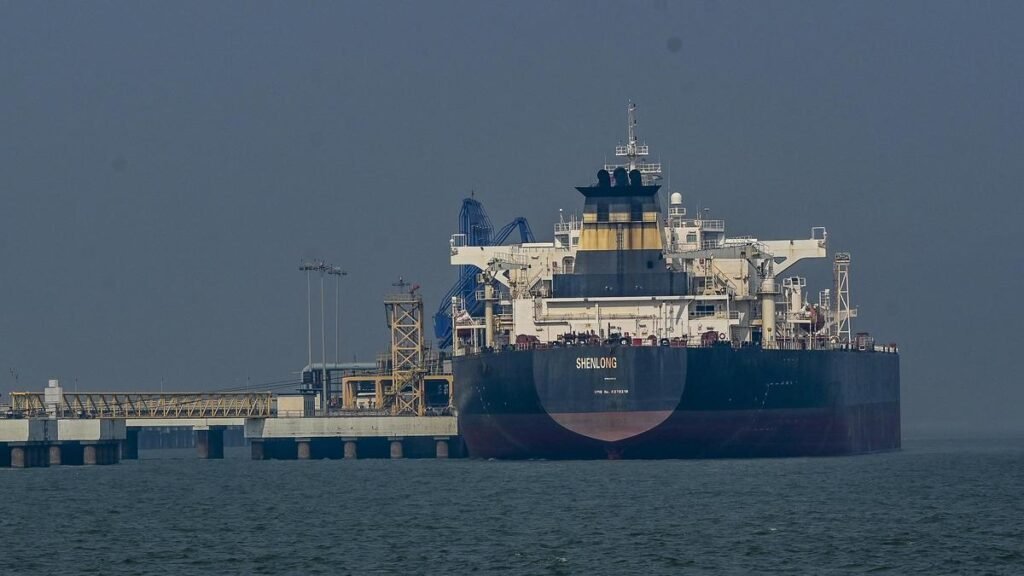
India is the worlds largest oil importer. Its economic stability is closely tied to crude oil prices and currency movements. In 2026 tensions in West Asia surging crude oil prices and a sharp depreciation of the rupee created a complex economic challenge.
The government is now exploring currency payment mechanisms for oil imports. This is to reduce dependence on the US dollar. A weak rupee is increasing Indias import bill. This is worsening inflation, fiscal pressure and external balance risks.
Here are the key points:
* Energy security
* Currency stability
* Global geopolitics
* Trade and financial policy
## Background: Indias dependence on imported oil
India imports over 85% of its crude oil needs. This makes it highly vulnerable to price fluctuations.
### Key facts:
* Oil imports are mostly invoiced in US dollars
* Major suppliers: Iraq, Saudi Arabia, UAE, Russia
* Oil is Indias import item
When oil prices rise:
* Indias import bill increases
* Demand for dollars rises
* Rupee weakens further
This creates a cycle.
## West Asia crisis and oil price surge
The current crisis in West Asia has disrupted oil supply chains.
### Key developments:
* Oil prices surged above $100 per barrel
* Energy infrastructure disruptions increased supply uncertainty
* Shipping routes like the Strait of Hormuz became risky
According to reports:
* Oil prices have jumped sharply due to war fears
* This has triggered global inflation concerns
Impact on India:
* Higher import costs
* Increased current account deficit
* Pressure on government subsidies
## Rupee depreciation: What is happening?
The Indian rupee has fallen to record lows.
Reasons for fall:
1. Rising oil prices: India needs dollars to buy oil. Demand for dollars increases. The rupee weakens.
2. Foreign capital outflows: Investors withdraw money during uncertainty. Over $11 billion outflows in March 2026.
3. Us dollar: Global investors prefer safe assets. The dollar. Emerging currencies weaken.
4. Risk: War increases uncertainty. Investors avoid economies.
## How rupee fall hurts Indias finances
A falling rupee has -layered impacts:
### (A) Import bill increases
Since oil is priced in dollars:
* If the rupee weakens India pays more in rupees.
### (B) Imported inflation
* Fuel prices increase
* Transport costs rise
* Food and goods become expensive
Experts warn:
* Rupee depreciation may fuel imported inflation risks.
### (C) Fiscal pressure
The government spends more on:
* Fuel subsidies
* Fertiliser subsidies
### (D) Current Account Deficit (CAD)
* Higher imports vs exports
* Weakens balance
### (E) Corporate impact
Companies with foreign debt face higher repayment costs. Profit margins shrink.
## Why India is exploring currency oil payments
To reduce these pressures India is exploring non-dollar payment systems.
This means:
* Of paying in USD pay in Indian rupees or use dirham, yuan or other currencies.
## Benefits of currency payments
1. Reduces dollar dependency: Less demand for USD. Helps stabilize the rupee.
2. Protects reserves: India doesn’t need to spend large amounts of dollars.
3. Autonomy: Less exposure to US sanctions. Greater financial independence.
4. Trade balance support: Reduces pressure on account deficit.
5. Promotes rupee internationalisation: Makes INR a global trading currency.
## Challenges in currency payments
Despite benefits there are major hurdles:
1. Limited acceptability of rupee: Oil exporters prefer stable currencies like USD.
2. Currency conversion issues: Sellers may convert rupees into currencies. Adds complexity.
3. Banking infrastructure: Requires arrangements and clearing systems.
4. Exchange rate risk: Exporters fear depreciation.
5. Political and diplomatic constraints: US sanctions and global financial system dominance.
## Indias evolving strategy: Multi-currency oil trade
India is adopting a -pronged strategy:
* (A) Diversification of suppliers: Buying from Russia Middle East, US.
* (B) Flexible payment mechanisms: Rupee, dirham, yuan, possibly Singapore dollar.
* (C) Bilateral agreements: Currency swap arrangements, trade settlement frameworks.
## Role of RBI (Reserve Bank of India)
The RBI plays a role in managing the situation:
* Key actions: Selling dollars to stabilize the rupee managing forex reserves controlling inflation.
Indias forex reserves:
* Around $709 billion (March 2026)
However:
* RBI cannot fully stop depreciation. It can only smooth volatility.
## Impact on economy
1. Inflation rises: Fuel → transport → food → prices.
2. Growth slows: High energy costs reduce output.
3. Stock market volatility: Nifty outlook weakened due to oil shock.
4. Government finances strained: subsidies, lower fiscal space.
## Sector-wise impact
* (A) Transport sector: fuel costs, increased logistics expenses.
* (B) Agriculture: Fertiliser costs rise, production affected.
* (C) Manufacturing: Input costs increase profit margins shrink.
* (D) Consumers: petrol/diesel prices increased cost of living.
## context: De-dollarisation trend
Indias move is part of a global trend:
* Countries reducing dollar reliance: China (yuan trade) Russia (non-dollar trade) Gulf countries (exploring alternatives).
Reasons:
* Avoid US sanctions
* Reduce currency risk
* Strengthen currencies
## Risks of prolonged crisis
If West Asia tensions continue:
* Possible outcomes: Oil prices remain high rupee may fall further (possibly toward ₹100/$) inflation becomes persistent growth slows.
Some estimates suggest:
* Prolonged conflict could severely impact Indias outlook.
## Policy responses needed
1. Short-term measures: Use reserves, control fuel taxes manage inflation.
2. Medium-term measures: Expand rupee trade agreements diversify energy sources.
3. Long-term solutions: Invest in energy reduce oil dependence strengthen export sector.
## Energy transition as a solution
India is pushing for:
* Solar energy
* vehicles
* Green hydrogen
Goal:
* Reduce oil imports
* Improve energy security
## Strategic implications
This issue is not just economic—it is geopolitical:
* India balancing relations with US, Russia, Gulf.
* Navigating sanctions and alliances.
* Strengthening sovereignty.
The situation of rising oil prices, rupee depreciation and exploration of currency payments reflects a major shift in Indias economic and strategic landscape.
Key takeaways:
* Oil price surge → increases import bill
* Rupee fall → worsens inflation and finances
* currency payments → strategic solution but not easy
* Global geopolitics → central driver
Indias response shows a transition, toward:
* Greater financial independence
* Reduced dollar reliance
* Economic resilience
However the success of this strategy will depend on:
* Global acceptance of alternative currencies
* Stability of the rupee
* Continued policy innovation.