India in final stages of formulating processing value chain for critical minerals: Mines Secretary
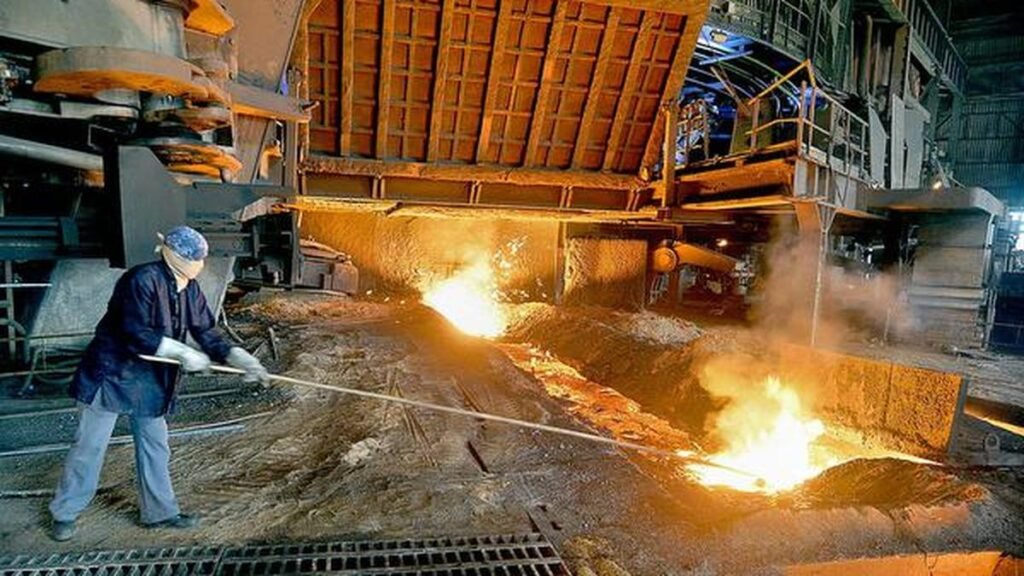
India is designing a plan to process minerals like lithium, cobalt and rare earths. These minerals are vital for vehicles, clean energy and defence.
The government wants India to be self-reliant and reduce its dependence on imports.
* Achieve self-sufficiency
* Make supply chains stronger
* Reduce reliance on suppliers
* Support green energy
## What Are Critical Minerals?
Critical minerals are resources crucial for economic growth and national security. Their supply can be disrupted easily.
Some key examples are:
* Lithium. Used in electric vehicle batteries
* Cobalt. Helps battery stability
* Nickel. Improves energy density in batteries
* Graphite. Used in battery anodes
* Rare earth elements. Used in electronics and defence systems
## Why India Needs a Processing Value Chain
### Current Challenge
India faces a problem:
* We import minerals
*. Processing and refining happen abroad
This leads to:
* Loss of economic value
* Dependence on foreign supply chains
* vulnerability
The Mines Secretary said India can’t fully use imported lithium due to lack of domestic processing capacity.
### Import Dependence
India relies heavily on imports for:
* Lithium
* Cobalt
* Rare earths
This creates risks like:
* Price volatility
* Supply disruptions
* Geopolitical pressures
### Global Competition
Countries like China, the USA, Australia and EU nations are building end-to-end mineral supply chains.
## What Is a “Processing Value Chain”?
A processing value chain includes:
1. Exploration. Finding mineral deposits
2. Mining. Extracting raw ores
3. Processing/Refining. Converting ores into usable materials
4. Manufacturing. Producing batteries, electronics, etc.
5. Recycling. Recovering minerals from waste
## Key Features of India’s Upcoming Policy
### Focus on Domestic Processing
The policy aims to:
* Build refining capacity
* Encourage industries to set up processing plants
* Reduce reliance on facilities
### Incentive-Based Scheme
The government is working on:
* Financial incentives
* Policy support for companies
* private partnerships
## Link with National Critical Mineral Mission
India has launched the National Critical Mineral Mission (₹34,300 crore).
## Global Strategy: Securing Resources Abroad
India is exploring mineral assets in Argentina, Australia, Brazil and Canada.
## Importance for Clean Energy Transition
minerals are essential for electric vehicles, renewable energy and defence.
## Economic Benefits
* Value addition
* Job creation
* Export potential
## Challenges
Building a processing ecosystem is not easy due to high capital costs, advanced technology requirements and environmental concerns.
## Role of Recycling
Recycling is a part of the value chain and India is developing recycling technologies and circular economy models.
## Role of Sector
The government aims to attract private investment and encourage startups and innovation.
## Challenges Ahead
Despite progress several challenges remain, including infrastructure gaps, skilled workforce shortage, regulatory delays, global competition and price volatility of minerals.
## Future Outlook
India’s strategy indicates a long-term vision: from resource importer to processing hub to manufacturing powerhouse.
The policy is in stages of approval.
The focus is, on processing and value addition.
It supports vehicles, renewable energy and defence sectors.
It reduces import dependence and geopolitical risks.
In the coming years this initiative could transform India into a hub for critical mineral processing and clean energy manufacturing.