Iran-Israel war LIVE: Netanyahu says he has instructed his Cabinet to begin direct negotiations with Lebanon
The news that Benjamin Netanyahu has told his Cabinet to start talking to Lebanon is a big deal in the world of politics especially when it comes to the conflict between Iran and Israel and the problems in the Middle East in 2026.
1. Background: The Iran-Israel War Context
To understand what is going on we need to look at the picture.
The Middle East is having a lot of problems with countries and groups fighting including:
* Israel versus Iran, which is fighting directly and indirectly
* Israel versus Hezbollah, which is a group based in Lebanon that Iran supports
* Other countries like the United States, Pakistan, France and countries in the Gulf are also involved
There was a ceasefire between the United States, Iran and Israel but it is:
* Not very strong
* Only covers some things
* People do not agree on what it means
The important thing is:
* Iran says Lebanon is part of the ceasefire
* Israel and the United States say it is not
This is one of the reasons why there is still fighting in Lebanon.
2. Why Lebanon is Important in This Conflict
Lebanon is important because of Hezbollah, which:
* Gets support from Iran
* Has a military
* Operates from southern Lebanon
Since March 2026:
* Hezbollah has been sending rockets and drones into Israel
* Israel has been responding with airstrikes in Lebanon
The result is:
* Many people have been killed
* Over a million people have had to leave their homes
This makes Lebanon a second place where the Iran-Israel conflict is happening.
3. What Did Netanyahu Announce?
Netanyahu said:
* He has told his Cabinet to start talking to Lebanon as soon as possible
* The talks will focus on:
* Disarming Hezbollah
* Making peace
This is significant because:
* Israel and Lebanon are still technically at war since 1948
* It is rare and sensitive for them to talk directly
4. Why Now? Key Reasons Behind This Decision
(A) International Pressure, from the United States
The United States, including Donald Trump has:
* Asked Israel to stop attacking
* Pushed for diplomacy
The reason is:
* To protect the ceasefire with Iran
* To stop a war in the region
(B) Lebanons Request for Talks
Lebanon itself has:
* Asked times for direct talks
* Supported a solution
The leaders of Lebanon see negotiations as:
* A way to stop the destruction
* A chance to take control back from Hezbollah
(C) Rising Humanitarian Crisis
airstrikes have:
* Killed many people in recent attacks
* Caused a lot of people to leave their homes
There is a lot of pressure globally because of:
* Civilian deaths
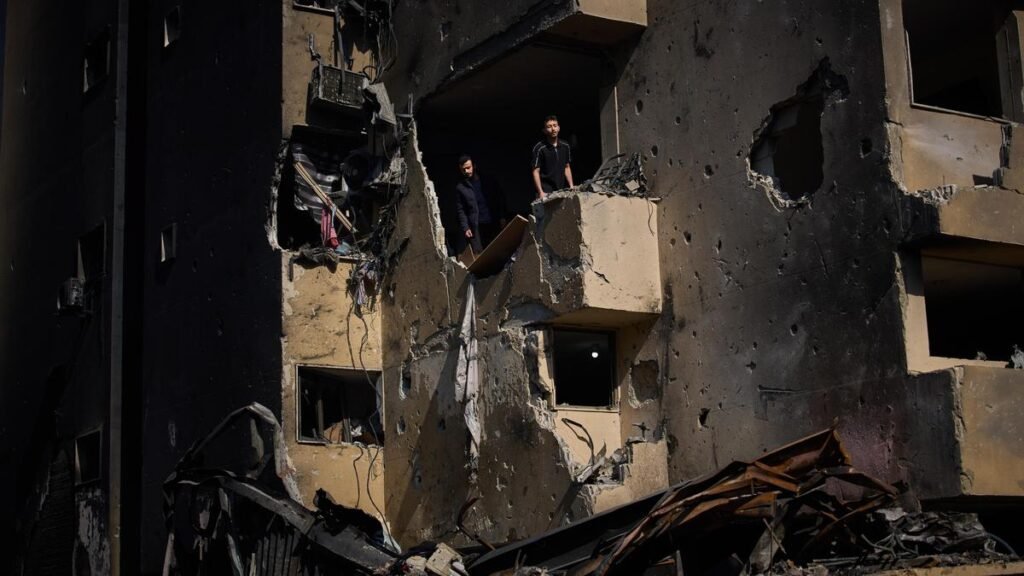
* Destruction in Beirut
(D) Strategic Goal: Disarm Hezbollah
Israels long-term goal is:
* To weaken or eliminate Hezbollah
Negotiations may:
* Force Lebanons government to control Hezbollah
* Reduce Irans influence in the region
5. But There Is a Big Contradiction
Even while announcing negotiations Israel has said:
👉 It will keep doing operations in Lebanon
This creates a paradox:
* Talking about peace
* Fighting on the ground
This dual strategy is often called:
👉 “Talk and Fight Strategy”
6. Role of Iran in This Situation
Iran plays a role:
* Supports Hezbollah
* Opposes Israeli actions
* Says Israel is violating the ceasefire
Iran has warned:
* If attacks continue it could lead to violence
So negotiations with Lebanon are indirectly tied to Iran-Israel tensions.
7. Outcomes of These Negotiations
Scenario 1: Successful Peace Talks
If the talks are successful:
* Hezbollah may be. Disarmed
* Israel-Lebanon relations could get better
* Tensions in the region may go down
This would be a diplomatic achievement.
Scenario 2: Limited Agreement
A realistic outcome:
* Temporary ceasefire in Lebanon
* Partial control over Hezbollah
* Tensions will still be there
Scenario 3: Talks Fail
If negotiations fail:
* War may get worse
* Iran could get involved directly
* A scale regional war is possible
8. Why This Development Is Globally Important
This is not a regional issue. It affects the whole world:
(1) Oil Prices
* Instability in the Middle East affects oil supply
* Disruptions in the Strait of Hormuz raise prices
(2) Global Economy
* Trade disruptions
* Risks of inflation
* Volatility in markets
(3) Security Risks
* Risk of a multi-country war
* Involvement of powers
9. Historical Context: Israel-Lebanon Relations
There is no peace treaty between Israel and Lebanon
* They have had wars, especially with Hezbollah
* Previous ceasefire agreements have failed
Even recent agreements, like the 2024 ceasefire:
* Were temporary
* Were often broken
This shows:
👉 Peace is very difficult to achieve
10. Current Ground Reality in 2026
* Fighting is still happening
* Civilians are suffering
* Diplomacy is fragile
Netanyahu has also warned:
👉 Israel is ready to resume war at any time
So negotiations do not mean peace
11. Key Takeaways
Netanyahu has ordered talks with Lebanon
The goal is to:
* Disarm Hezbollah
* Establish peace
Talks are happening amid:
* Ongoing war
* Pressure from the United States
* crisis
However:
* Fighting is still going on
* The situation is still unstable
This development is a turning point in the Middle East crisis.
It shows:
* A shift, from using the military to diplomatic efforts
*. Also highlights contradictions:
* War and negotiations are happening at the same time
The biggest question now is:
👉 Will diplomacy work before the conflict gets worse?
Because if it fails the region could move toward:
* A full-scale Middle East war involving countries.