Iran official warns of ‘mental warfare’ after Israeli reports of Khamenei’s death
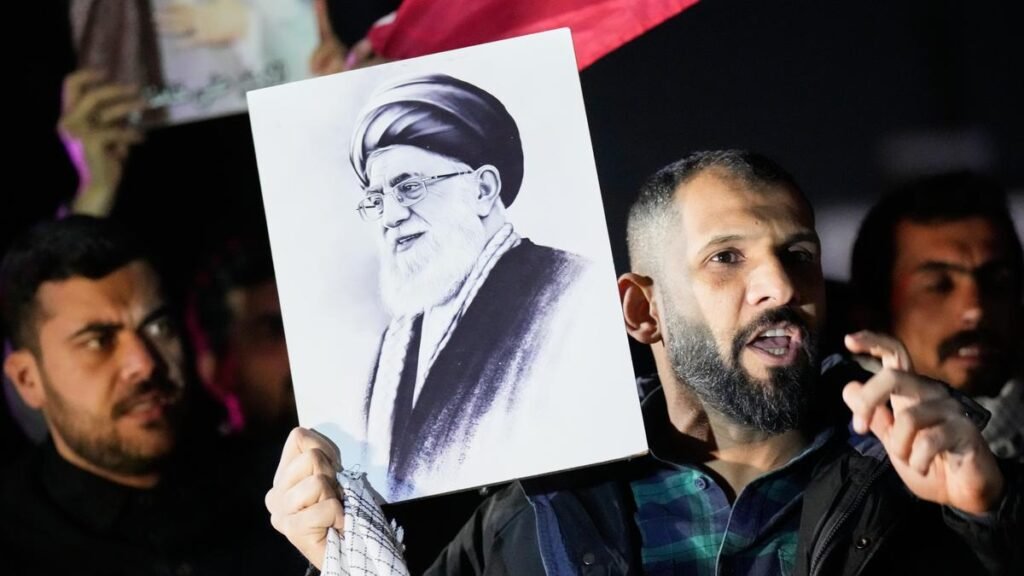
Ayatollah Ali Khamenei was the leader of Iran the highest authority in the country since 1989. He had control over:
* Military and security forces
* Nuclear program decisions
* Foreign policy
* Judiciary and political system
Unlike a president the Supreme Leader has more power than any elected official.
Under his leadership Iran:
* Supported groups like Hezbollah and Hamas
* Opposed Israel and U.S. Influence
* Developed nuclear capabilities, leading to sanctions
* Stopped protests
His death would be one of the most important events in modern Middle East history.
2. What triggered the death reports
In February 2026 Israel and the United States carried out major military strikes inside Iran targeting nuclear and military sites.
According to U.S. Officials:
* A compound where Khamenei was present was hit
* Several senior Iranian officials were targeted
* Israeli intelligence claimed evidence he had been killed
* U.S. And Israeli sources said the attack specifically aimed at Iran’s leadership during a meeting
These claims spread globally through media and official statements.
3. Iran’s initial response: denial and accusations of ” warfare”
At first Iranian officials and state media:
* Did not confirm his death
* Said Khamenei was still in charge
* Accused Israel and Western countries of spreading information
Iran’s leadership described these reports as:
* “Mental warfare” designed to weaken Iran.
This term means using information, rumors and propaganda to affect enemy morale and public opinion.
4. What “mental warfare” or psychological warfare means
Psychological warfare is a strategy used to:
* Confuse the enemy
* Spread uncertainty
* morale
* Create political instability
* Influence global opinion
Experts say it often involves leaking intelligence claims or making public announcements before confirmation.
5. Why Israel would announce Khamenei’s death early
There are reasons Israel might announce such claims quickly:
* 5.1 Strategic pressure: Shows military strength and warns Iran and its allies.
* 5.2 Political messaging: Portrays Israel as capable of eliminating threats.
* 5.3 Psychological pressure inside Iran: Creates fear among government officials. Encourages internal dissent.
* 5.4 International influence: Signals to allies and rivals that Israel has intelligence penetration and strong military reach.
6. Why Iran called it ” warfare”
Iran used this phrase for several reasons:
* To prevent panic among citizens
* To maintain stability
* To control the narrative and counter enemy propaganda
7. Later confirmation and mourning period
After confusion Iranian state media confirmed that Khamenei had been killed in the strikes and announced a mourning period.
This shows the timeline:
* Phase 1: Israel claims death
* Phase 2: Iran. Calls it mental warfare
* Phase 3: Iran later confirms death
8. Why such confusion happens in war
During conflict information is often unclear because:
* Communication systems may be damaged
* Governments restrict information
* Intelligence reports may be incomplete
* Propaganda is used by both sides
9. Role of media in spreading and reports
Modern warfare includes information warfare. Media plays a role because:
* News spreads instantly worldwide
* Social media amplifies rumors
* Governments use media to send messages
This creates an “information battlefield.”
10. Political impact inside Iran
The death of a Supreme Leader creates a power vacuum.
Possible consequences include:
* Leadership transition
* Power struggle between factions
* reactions: mourning, protests or celebrations
11. Regional and global consequences
This event could reshape Middle East geopolitics.
Possible outcomes:
* Increased risk of war
* Impact on program
* Effects on Iran-aligned groups
* Oil. Global economy
12. Historical examples of warfare
This is not the first time such tactics have been used.
Examples include:
* Cold War: USA and USSR spread propaganda and false intelligence.
* Iraq War (2003): Rumors about Saddam Hussein’s location were used strategically.
* Russia-Ukraine war: Both sides claim enemy leader injuries or deaths.
13. Why leadership death rumors are especially powerful
When a country’s top leader may be dead:
* It affects chain of command, public morale, government stability and international relations.
In systems the leader is often central to stability.
14. Strategic importance of Supreme Leader position
Iran’s Supreme Leader controls:
* Nuclear decisions
* strategy
* Intelligence agencies
* Foreign alliances
Eliminating the Supreme Leader is considered a strategic event.
15. Information warfare is now part of modern warfare
wars include:
* Traditional warfare
* Cyber warfare
* Economic warfare
* Psychological warfare
Information itself is now a weapon.
16. Why Iran reacted strongly to claims
Iran’s reaction had multiple goals:
* Protect national unity
* Prevent panic
* Maintain control
* Avoid showing weakness
Calling it ” warfare” allowed Iran to frame Israel’s claims, as propaganda.
17. Timeline summary
Simplified timeline:
* Strike occurs
* Israel claims Khamenei killed
* Iran. Calls it psychological warfare
* Global media spreads reports
* Iran later confirms death. Announces mourning
The statement that Israeli reports were “mental warfare” reflects the reality that modern conflict includes information and psychological tactics.
Israel’s early claims served purposes:
* Showing success
* Weakening Iran psychologically
* Influencing perception
Iran’s response aimed to:
* Maintain stability
* Prevent panic
* Control official confirmation
Ultimately the situation highlights how information itself has become a battlefield and how leadership deaths can reshape regional and global politics.