Iran President apologises for strikes on neighbouring countries, says attacks caused by miscommunication
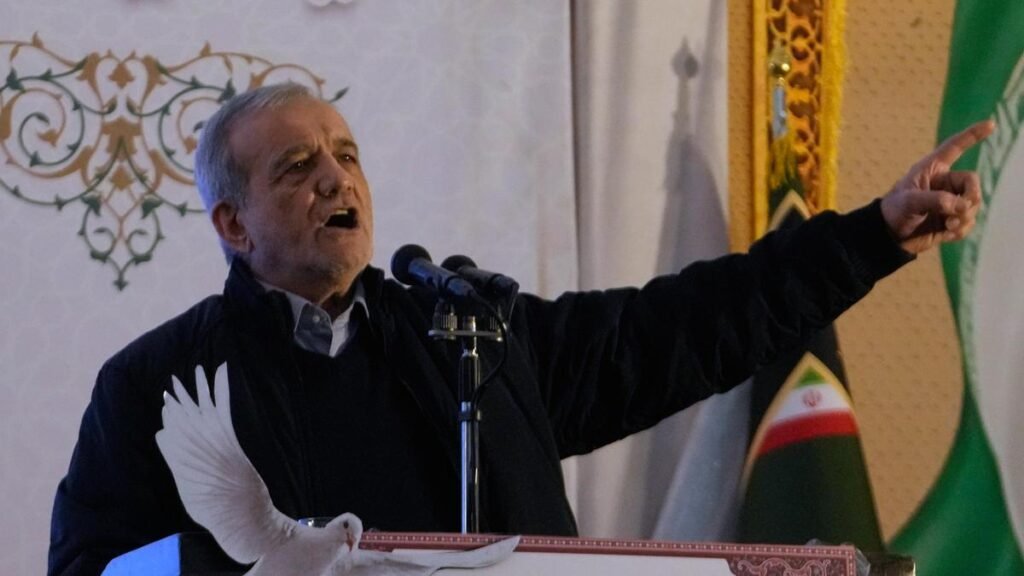
The Iranian President Masoud Pezeshkian said sorry for the missile and drone strikes on countries near Iran. This is a deal in the Middle East conflict that involves Iran, Israel and the United States. The apology came when things were really bad in the region with missiles, drones and airstrikes happening over the place.
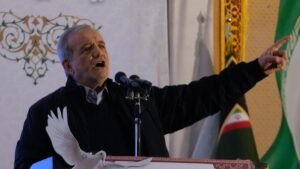
Masoud Pezeshkian said the attacks on countries were not on purpose and were partly because of “miscommunication within the ranks” of the Iranian armed forces. He promised that Iran would not do strikes again unless those countries let attacks on Iran happen from their land.
1. What is going on with the conflict
To understand the apology we need to look at the war in the Middle East in 2026. It started when the United States and Israel launched airstrikes on Iran targeting military places and important infrastructure. These attacks also killed leaders in Iran like the Supreme Leader Ayatollah Ali Khamenei, which made Irans politics and military really unstable.
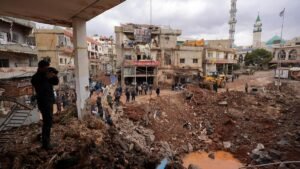
Iran fought back with missile and drone strikes over the region. These attacks targeted cities in Israel US military bases and important places in Gulf countries where American forcesre. Some Gulf states like Saudi Arabia, the United Arab Emirates, Bahrain and Qatar said they stopped missiles and drones.
Iran thought these countries could be used to attack Iran because they work with the US military.. Some missiles and drones also hit countries that were not directly involved in the conflict, which made a lot of countries in the region really upset.
2. Iran says sorry. Explains
President Masoud Pezeshkian went on TV and said sorry to the countries near Iran. He said some things:
2.1 He admitted that Iranian missiles and drones hit or targeted neighbouring countries.
2.2 He said the strikes happened because of miscommunication within the military.
2.3 He promised that Iran would stop attacking countries unless they let attacks on Iran happen from their land.
2.4 He asked for the region to work together and talk of fighting more.
He wanted to calm things down and stop the war from getting bigger.
3. Why did the miscommunication happen
Experts say a few things contributed to the miscommunication in Irans military.
3.1 The death of the Supreme Leader created a power vacuum.
In Iran the Supreme Leader is in charge of all the forces. Without this leader the military got a bit mixed up.
Now Iran is led by a temporary group, which makes it hard to make decisions during war.
3.2 The Revolutionary Guard is really powerful. Acts on its own.
The Islamic Revolutionary Guard Corps is one of Irans powerful military groups. It controls missiles, drones and a lot of operations.
Even when things are normal the Revolutionary Guard does what it wants. During the war and leadership change field commanders might have launched strikes without talking to the political leaders.
3.3 The war got big fast.
The conflict escalated quickly. The US and Israel launched airstrikes on Iran. Iran launched hundreds of missiles and drones. Other groups joined the fight.
In such a situation communication can break down leading to targets or unintended strikes.
4. Countries hit by the strikes
A few neighbouring states were affected by missile or drone activity.
4.1 Gulf states like the United Arab Emirates, Bahrain, Qatar and Saudi Arabia said they stopped missiles or drones.
Some of these attacks messed up airports and oil infrastructure.
4.2 Azerbaijan was also hit when drones struck an airport and hurt civilians.
4.3 The strikes also threatened places like oil facilities, ports and military bases.
These incidents made people fear a war that could affect the global energy supply.
5. Irans message
Although Iran said sorry the statement also sent a warning.
President Masoud Pezeshkian said Iran would not attack neighbouring countries unless attacks on Iran came from their land.
This message has two meanings.
5.1 Warning to Gulf countries that host US bases.
Iran warned that if these bases are used to attack Iran the countries hosting them could become targets.
5.2 Trying to stop the war from getting bigger.
By saying sorry and promising to be calm Iran also tried to reassure governments and stop them from joining the war against Iran.
6. What the United States and Israel say
The apology did not make things less tense between Iran and its main enemies.
6.1 The US response was that they would increase strikes unless Iran gave up completely.
The US kept bombing military places and infrastructure.
6.2 Israel kept launching airstrikes on cities and targets in Lebanon.
Israel thinks Irans missile program and regional proxies are threats.
7. How the conflict affects the region
The conflict has had consequences for the Middle East.
7.1 Air travel was disrupted because of airspace closures and missile threats.
7.2 The oil market got unstable because of security threats near the Strait of Hormuz.
Oil prices went up sharply.
7.3 There is a crisis with thousands of civilians fleeing conflict zones.
Cities have been hit by air raids and people are using bomb shelters.
8. Irans internal problems
The crisis is also testing Irans politics.
8.1 Iran needs to pick a Supreme Leader, which could take time and create rivalry.
8.2 The war showed tension between the leaders and the Revolutionary Guard commanders.
8.3 Iranian society is divided, with some people supporting retaliation and others fearing war.
9. What the apology means for diplomacy
Irans apology might serve a diplomatic goals.
9.1 Preventing Iran from being isolated in the region.
By saying sorry Iran hopes to keep working with countries.
9.2 Stopping a coalition against Iran.
If Gulf countries join the US and Israel militarily Iran would be in trouble.
The apology is an attempt to stop such a coalition from forming.
9.3 Opening the door for talks.
The statement also shows that Iran might be open to negotiations to calm things down.
10. What could happen next
The situation could go in a directions.
Scenario 1: The conflict could keep escalating and get bigger.
Scenario 2: The fighting might stay limited to Iran, Israel and US forces.
Scenario 3: International mediation could lead to a ceasefire.
11. Why this conflict matters globally
The conflict has implications beyond the Middle East.
It affects energy markets and global security. Could even involve big powers like Russia, China and NATO countries.
The Iranian President Masoud Pezeshkians apology for strikes on countries shows how complex and volatile the Middle East conflict is. The strikes happened during a time with leadership changes, intense military operations and miscommunication in Irans military.
By apologising and promising to be calm Iran is trying to stop the war from getting bigger.. Tensions are still really high because of ongoing US and Israeli military operations and Irans retaliation. The crisis shows how quickly regional conflicts can become security threats. The next few weeks will decide if diplomatic efforts can contain the war or if the Middle East will move closer, to a regional conflict.