Iran war starts pinching U.S.; gas prices, transport costs surge
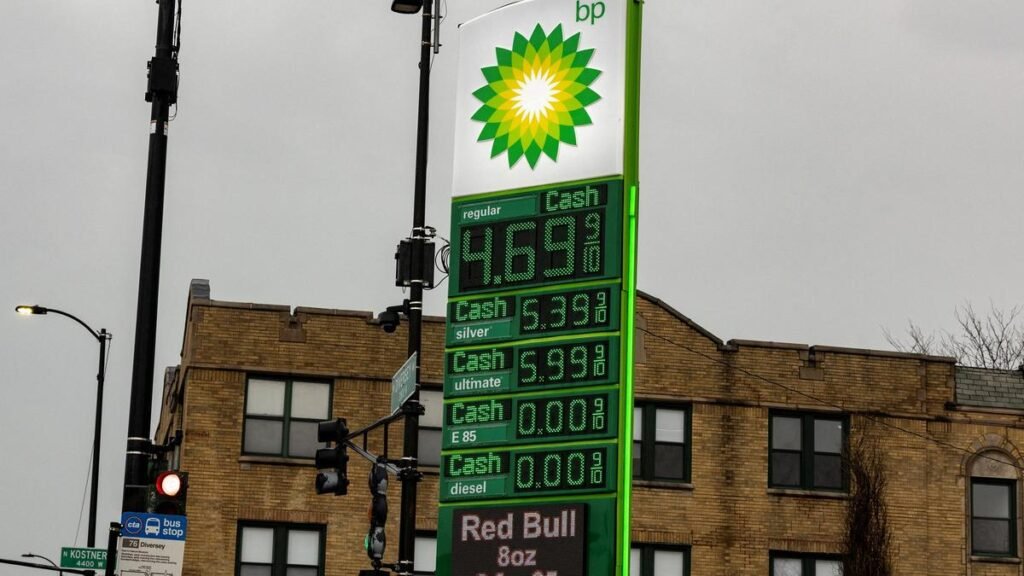
The war in Iran that started in 2026 is having an impact on the United States economy. This is especially true when it comes to the price of gasoline and transportation costs. The United States is one of the oil producers in the world but it is still connected to the global energy market. So when there are problems in the Middle East like with the oil supply it affects the United States.
1. The Main Reason for Rising Fuel Costs: The War and Oil Supply Disruption
The main reason fuel and transportation costs are going up is because of the war in Iran. This war is disrupting the oil supply.
The Strait of Hormuz is a problem. This strait is responsible for 20% of the worlds oil supply.. Because of the war hardly any ships are passing through it. Tankers are not willing to take the risk because of missile attacks and naval threats.
As a result oil prices have gone up a lot. They are now over $100-$120 per barrel. This is one of the shocks to the energy market in a long time.
When the global oil supply goes down prices go everywhere including in the United States.
2. Why the United States is Still Affected by the War
Some people think that the United States is independent when it comes to energy. That is not entirely true.
There are a reasons for this. First oil is traded globally so prices are connected. Second even though the United States produces oil it still imports some oil. Finally companies base their fuel prices on benchmarks.
So even if the United States produces oil it cannot avoid price increases.
3. The Rise in Gasoline Prices
One of the noticeable effects of the war is the sharp rise in fuel prices.
Now the average gas price in the United States is around $4 per gallon. This is an increase. About 35-36% in just one month. Some reports show that prices have gone up by over $1 per gallon since the war started.
Diesel prices are also important. They have gone up to $5.53 per gallon from $3.64 a year. Diesel is crucial for trucks, farming equipment and construction machinery.
This is why the impact of the war goes beyond just car fuel.
4. Transportation Costs are Rising Across the Economy
Fuel is a cost for transportation. When fuel prices go up transportation becomes more expensive.
This affects logistics and delivery companies like Amazon. They are adding fuel surcharges of about 3.5%. The U.S. Postal Service is also planning to add an 8% surcharge on deliveries.
Airlines are increasing ticket prices and baggage fees because fuel is one of their expenses.
Global shipping costs are also rising due to fuel costs, war risk insurance and route disruptions.
This means that transport cost inflation is now affecting all sectors of the economy.
5. The Domino Effect: Rising Prices in Life
Higher transportation costs do not just affect logistics. They affect everything consumers buy.
Food prices are going up because of transportation, diesel and fertilizer costs. E-commerce deliveries are becoming more expensive. Medicines and healthcare supplies are also becoming costlier. Retail goods are seeing price increases to shipping costs.
Experts warn that inflationary pressure will continue even if the war ends soon.
6. Impact on Businesses and Industries
The war is affecting businesses and industries. For example:
* E-commerce companies like Amazon are passing fuel costs to sellers, who then pass them to customers.
* Airlines are hurting because of the surge in fuel costs.
* Agriculture is affected because diesel-powered equipment is becoming expensive and fertilizer supply is disrupted.
* Manufacturing and industry are facing transport and energy costs, which increases production expenses.
7. Impact on Consumers
The war is affecting Americans in many ways. Directly they are facing petrol and diesel costs, expensive flights and costlier deliveries. Indirectly they are seeing rising grocery bills, inflation in goods and reduced purchasing power.
A survey found that over half of U.S. Households are feeling strain due to rising fuel prices.
8. Government Response and Limitations
The U.S. Government has tried to control prices. It has had limited success.
The government has released oil from the Strategic Petroleum Reserve, relaxed fuel regulations and waived shipping restrictions. However these measures have not worked because the global supply disruption continues war risk keeps prices high and market psychology drives prices up.
Long as the war continues prices are unlikely to fall significantly.
9. Global Ripple Effects
The crisis is not limited to the United States. The oil supply disruption is affecting all countries shipping routes are disrupted and food and fertilizer shortages are rising. Humanitarian aid is also becoming more expensive.
The situation has been described as the ” global energy security challenge”.
10. Risk of Long-Term Economic Damage
Economists warn that if the conflict continues it could lead to inflation, slower growth and even a recession. If oil prices cross $150 per barrel or supply disruptions continue it could have consequences.
The energy shock could also affect stock markets and corporate profits.
11. Sector-Specific Case Study: Airlines and Logistics
The war is affecting airlines and logistics companies in ways. Fuel accounts for a part of their costs so price rises directly hit their profits. Logistics companies like UPS, FedEx and USPS are adding fuel surcharges, which increases delivery costs. Retail companies like Amazon are passing costs to consumers.
This shows how fuel prices can ripple through the economy.
12. Why Diesel Matters More Than Petrol
Most people focus on gasoline but diesel is more important economically. Diesel drives the trucking industry, supply chains, agriculture and construction. When diesel prices rise everything becomes expensive.
13. Psychological Impact
Rising gas prices are also affecting consumer sentiment. People are reducing travel spending is decreasing and economic confidence is dropping. This can slow growth even before real damage happens.
14. Comparison With Past Crises
The current crisis is similar to events like the 1973 Oil Crisis and the 2008 Oil Shock. However the Iran war affects a share of global oil supply and has led to faster and sharper price increases.
15. Future Outlook
In the term prices are likely to remain high and transport surcharges will continue. In the term if the Strait of Hormuz reopens prices may stabilize, but if the war escalates prices could spike further. In the term there may be a push towards renewable energy, energy independence and alternative supply chains.
The war in Iran is having an impact on the United States economy primarily through rising gas prices and transportation costs.. Its effects are much broader. Oil supply disruption leads to global prices, which leads to increased transport expenses and ultimately rising prices of goods. Both consumers and businesses are under pressure. Even though the United States produces oil it cannot escape market forces. Long as the conflict continues, especially with disruptions in the Strait of Hormuz the economic pressure, on fuel, transport and daily life is likely to persist.