Iran’s relationship with the United States: An estranged friend to an ‘arrogant’ power
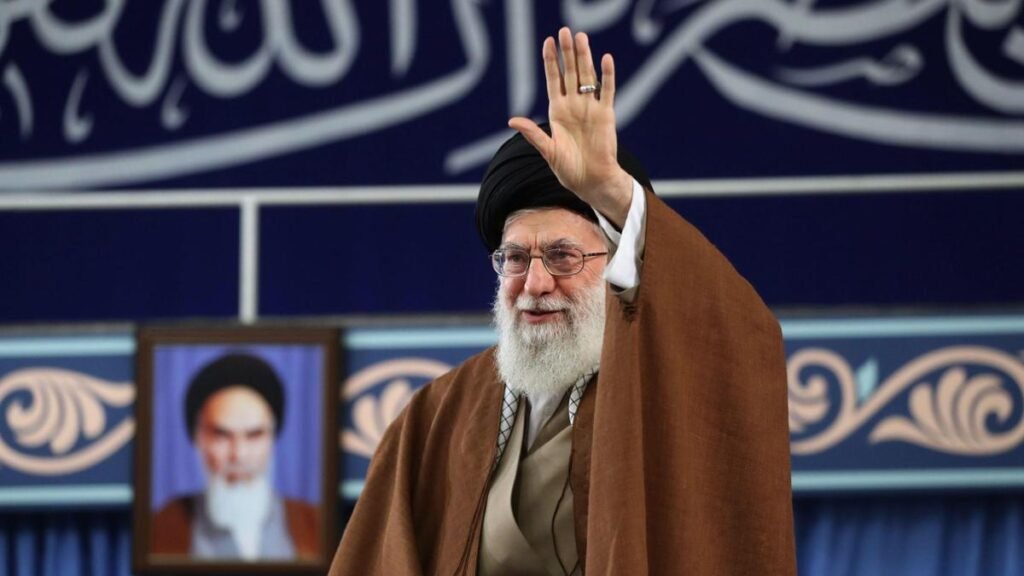
The relationship between Iran and the United States is very complicated. Over the hundred years these two countries have gone from being friends to not trusting each other at all. Iran often calls the United States an powerful country and sometimes they even call it the “Great Satan”. On the hand the United States sees Iran as a country that causes a lot of problems in the Middle East.
To understand how things got so bad we need to look at the history of their relationship. It started with friendship in the middle of the century then there was a big change in 1953 followed by the Islamic Revolution in 1979 and many years of sanctions and competition in the region. All of this has led to a lot of tension over weapons and who has power in the world.
1. Early Contacts and Friendship Between the United States and Iran
Before World War II the United States did not get involved much in Irans politics. Iran, which used to be called Persia was more influenced by countries like Britain and Russia.
After World War II and the start of the Cold War Iran became very important because of where it is located. The United States started to see Iran as a friend in stopping the Soviet Union from expanding into the Middle East.
There were a reasons why the United States and Iran became friends:
1.1 Irans Strategic Location
Iran is in a very important spot between the Soviet Union and the Persian Gulf. Western countries were afraid of the Soviet Union moving into the Middle East. Iran helped stop that from happening.
1.2 Economic Interests
Iran has a lot of oil, which made it very attractive to countries.
1.3 Political Alignment
The king of Iran Shah Mohammad Reza Pahlavi supported policies that were friendly to the West and tried to modernize his country.
In the 1950s and 1960s Iran was one of Americas friends in the region. The United States helped Irans military, economy and technology.
Beneath their friendship there were big problems that would eventually come out.
2. The 1953 Coup: A Big Change in United States-Iran Relations
One of the important events that made the United States and Iran enemies was the coup in 1953.
2.1 Mohammad Mossadegh and Oil Nationalization
In 1951 Iran elected a leader, Mohammad Mossadegh, who wanted to take control of Irans oil industry away from the British.
Mossadeghs plan was popular with Iranians. It made Britain and the United States very upset.
2.2 CIA Intervention
In 1953 the CIA and British spies worked together to remove Mossadegh from power and put the Shah back in charge.
The coup. Mossadegh was arrested.
2.3 Long-Term Problems
Even though the coup made the United States and Iran friends for a while it also made a lot of Iranians very angry:
Many Iranians thought the coup was an attack on their democracy.
The Shah became more and more controlling.
The United States was seen as a country that interfered with countries business.
This event is often seen as the start of Iranians being very against the United States.
3. The Shahs Time: Friendship with the United States
After the coup, Iran and the United States became friends again.
3.1 Military and Economic Help
The United States gave Iran:
a lot of money for its military
new weapons and training
economic help and new technology
Iran started buying a lot of military equipment from the United States.
3.2 Modernization and the “White Revolution”
The Shah started a program to modernize Iran, which included:
land reforms
education programs
industrialization
This modernization also caused problems:
some religious groups did not like the Western influence
there was more inequality between the rich and the poor
the government became more controlling
3.3 SAVAK. Authoritarian Rule
The Shah used a secret police force called SAVAK which worked with the CIA and was known for treating people very badly.
Many Iranians blamed the United States for supporting the Shahs government.
These problems eventually led to a revolution.
4. The 1979 Islamic Revolution: A Break in Relations
The Islamic Revolution in 1979 completely changed Irans government and its relationship with the United States.
4.1 The Shahs Government Fell
There were protests all over Iran in 1978 and 1979.
A religious leader named Ayatollah Ruhollah Khomeini became the leader of the revolution.
The Shah had to leave Iran in January 1979.
4.2 The Islamic Republic Was Born
Khomeini created the Islamic Republic of Iran which combined religion and government.
The revolution was against influence especially from the United States.
4.3 The United States Embassy Hostage Crisis
In November 1979 Iranian students took over the United States Embassy in Tehran. Held 52 American diplomats hostage for 444 days.
This crisis was very embarrassing for the United States. Led to:
the United States and Iran not having diplomatic relations anymore
economic sanctions against Iran
These sanctions started in 1979 and have been in place in different forms ever since.
5. Ideological Conflict: “Great Satan” and ” Power”
Irans new government saw its conflict with the United States as a matter of ideology.
Irans leaders called the United States an arrogant country.
The phrase “Death to America” became a chant at political rallies and prayers.
Iranian leaders often said that they were against the United States governments policies, not the American people.
From Irans point of view the United States is arrogant because it:
interferes in Irans politics
has a presence in the Middle East
supports Israel
imposes economic sanctions on Iran
Irans leaders say that their country was founded to resist global arrogance and domination.
6. The Iran-Iraq War and United States Involvement
after the revolution Iran had another big crisis: the Iran-Iraq War.
6.1 Saddam Husseins Invasion
In 1980 Iraq, led by Saddam Hussein invaded Iran.
The war lasted eight years. Caused a lot of damage.
6.2 United States Position
The United States said it was neutral. It actually supported Iraq by:
giving them intelligence
allowing them to get financial help
supplying them with military technology indirectly
This made Iranians trust the United States even less.
7. The 1990s and 2000s: Sanctions and Suspicion
In the 1990s and early 2000s the relationship between the United States and Iran was still very tense.
7.1 Economic Sanctions
The United States imposed sanctions on:
Irans oil industry
banking system
development
These sanctions hurt Irans economy a lot.
7.2 Terrorism Accusations
The United States accused Iran of supporting groups like:
Hezbollah
Hamas
Iran said it supported “resistance movements” against Israel.
7.3 “Axis of Evil”
In 2002 United States President George W. Bush called Iran part of the “Axis of Evil” along with Iraq and North Korea.
This statement made diplomatic relations even worse.
8. Nuclear Tensions
The biggest issue between the United States and Iran today is Irans program.
8.1 Western Concerns
The United States and its allies think Iran might want to build weapons.
Iran says its nuclear program is for purposes like making energy.
8.2 The 2015 Nuclear Deal
In 2015 Iran and other countries signed the Joint Comprehensive Plan of Action (JCPOA).
Iran agreed to:
limit its uranium enrichment
let inspectors in
In return some sanctions were lifted.
8.3 United States Withdrawal
In 2018 the United States left the deal and imposed sanctions again.
Iran responded by increasing its nuclear activities.
The deal falling apart made tensions between the two countries worse.
9. Proxy Conflicts in the Middle East
The United States and Iran are also competing for influence in the Middle East.
Some key areas include:
9.1 Iraq
After the United States invaded Iraq in 2003 Iran gained influence through Shia groups and militias.
9.2 Syria
Iran supported the government of Bashar al-Assad while the United States supported opposition groups.
9.3 Lebanon
Iran backs Hezbollah, which the United States considers an organization.
9.4 Yemen
Iran supports the Houthi movement while the United States supports Saudi Arabia.
These proxy conflicts make the rivalry between Iran and the United States a big part of Middle Eastern politics.
10. Military Confrontations
There have been incidents that have brought the two countries close to war.
Examples include:
the 1988 downing of Iran Air Flight 655 by a United States warship
the 2020 assassination of Iranian General Qassem Soleimani
attacks on oil tankers and military bases
These events have made both countries more hostile and distrustful of each other.
11. The Role of Ideology and National Identity
The conflict between Iran and the United States is not about strategy; it is also about identity and ideology.
For Iran:
resisting influence is a symbol of independence
being against imperialism is a core part of the revolutions ideology
For the United States:
Irans government challenges Western values
supporting militant groups is seen as a threat to global security
So the conflict is also about visions of the world order.
12. Domestic Politics in Both Countries
Politics inside both countries often make the hostility worse.
In Iran:
anti-American rhetoric helps the government stay in power and get support.
In the United States:
policies against Iran often get support from both parties because of concerns about proliferation and regional security.
This political dynamic makes it hard for the two countries to reconcile.
13. Attempts at Diplomacy
Despite the hostility there have been some attempts at diplomacy.
Examples include:
talks during the Iran-Contra affair in the 1980s
President Obamas diplomatic efforts leading to the 2015 nuclear deal
back-channel talks mediated by European and regional actors
But these efforts have repeatedly failed because of mistrust.
14. Recent Developments
Recent events in the world are still shaping the relationship between Iran and the United States.
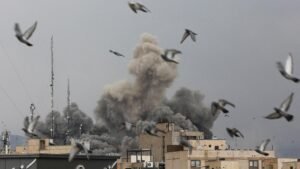
There are reports of rising tensions and even military confrontations between Iran, the United States and their allies in the Middle East. Irans leaders have always taken a stance against the United States while Washington sees Irans activities, in the region and its nuclear ambitions as big security threats.
These events show how fragile the relationship between Iran and the United States remains.
15. Why Iran Calls the United States an ” Power”
From Irans perspective several things from the past explain why Iran calls the United States an “arrogant power”.
The 1953 coup
is one reason.
Iran also remembers
the support the United States gave to the Shahs rule.
The United States imposed sanctions and economic pressure on Iran.
The United States has a presence in the Middle East.
The United States supports Israel.
The United States tried to isolate the Islamic Republic of Iran.
Iranian leaders think the United States uses its power to dominate countries like Iran.
The United States says its policies aim to keep everyone safe and prevent countries from getting weapons.
16. Prospects for the Future
The future of the relationship between the United States and Iran is not clear.
There are a few things that could happen:
* Continued Rivalry
The most likely thing that could happen is that the United States and Iran will keep competing with each other.
* Diplomatic Engagement
If the United States and Iran make an agreement about nuclear weapons things might get better.
* Escalation
There could be a conflict if things get worse with nuclear weapons.
For the relationship between the United States and Iran to get better both countries would have to make changes.
The relationship between Iran and the United States has changed a lot over the seventy years.
At first Iran and the United States were allies during the Cold War.
Then things got bad after the 1953 coup and the 1979 Islamic Revolution.
Iran and the United States have been competing with each other for decades because of ideology and geography.
Today Iran thinks the United States is an ” power” that gets involved in other countries business.
The United States thinks Iran is making the Middle East unstable.
Past problems, differences in ideology conflicts in the region and nuclear tensions are still affecting the relationship between Iran and the United States.
To understand what is happening in the Middle East today we need to know about the complicated history of Iran and the United States.
The mistrust between Iran and the United States that has built up over decades makes it very hard for them to reconcile.
This is one of the problems, in international relations.