Is Larry Ellison’s Oracle turning out to be an oracle of the global tech industry?
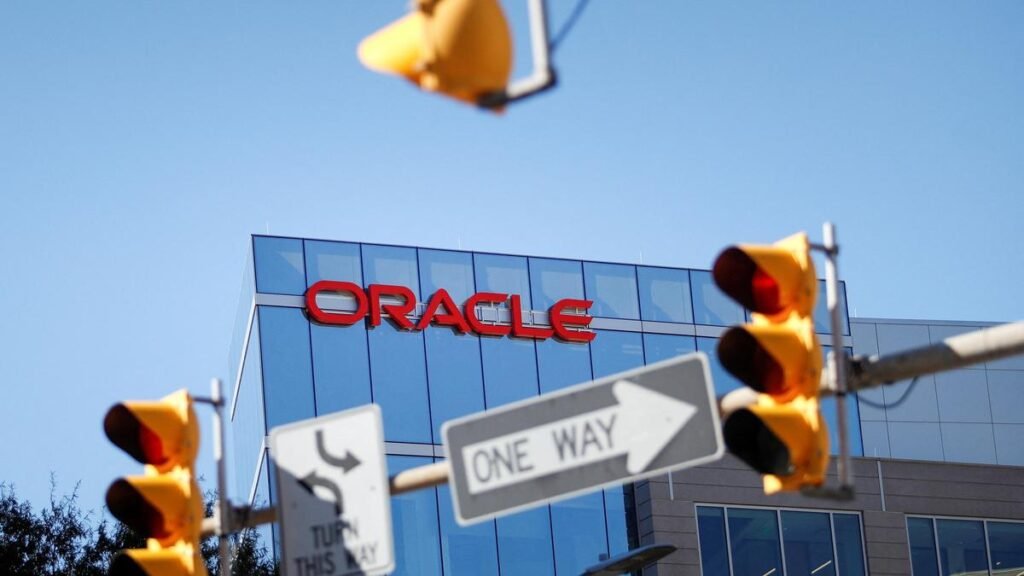
Is Larry Ellisons Oracle Corporation becoming a leader in the tech industry? The idea is powerful: a leader predicts the future, shapes decisions and influences outcomes. To evaluate this claim we must look at Oracles strategy, technology, market position and industry impact.
In years especially from 2024 to 2026 Oracle has changed a lot. Once seen as a legacy database company it is now positioning itself at the center of cloud computing and artificial intelligence (AI). Oracles moves, like investments in AI infrastructure partnerships with companies like OpenAI and a shift toward data-centric AI suggest that it is not just reacting to industry change but trying to define it.
However being a leader in tech requires more than ambition. It requires vision, market dominance and influence over competitors and customers. This essay explores whether Oracle meets those criteria.
* Oracles Evolution: From Database Giant to AI Contender
Oracle was founded in 1977. Built its empire on relational databases. For decades it dominated enterprise IT by providing mission-critical software. ERP, CRM and database systems. That businesses depended on.
The rise of cloud computing in the 2010s led by Amazon Web Services, Microsoft Azure and Google Cloud challenged Oracles relevance. Initially slow to adapt Oracle lagged behind competitors.
Under Ellisons influence Oracle made a pivot:
* Shift to cloud infrastructure (OCI)
* Integration of enterprise applications with cloud services
* Focus on data as the core asset for AI
This repositioning is critical. Oracles strength lies not in consumer tech or social platforms. In enterprise data systems. The backbone of global business operations.
Today Oracles identity is increasingly defined by:
* Cloud infrastructure
* AI-driven enterprise applications
* Data management platforms
This transformation sets the stage for its ambitions.
* The AI Bet: Oracles Biggest Gamble
Oracles recent strategy revolves around one idea: AI will reshape enterprise computing. And Oracle wants to be the foundation of that transformation.
Oracle is investing tens of billions in AI infrastructure:
* A $300 billion AI data center deal with OpenAI
* Participation in the Stargate LLC initiative worth $500 billion
* Plans to raise $50 billion in funding for AI expansion
These are not small moves. They are industry-shaping bets.
Oracles unique proposition is not building the AI models but enabling AI on enterprise data:
* Focus on private secure business data
* Emphasis on AI inferencing over datasets
* Integration with existing enterprise systems
This is crucial because most corporate data already sits in Oracle databases. If AI needs data Oracle already controls a portion of it.
* Oracle Cloud Infrastructure (OCI): The Backbone Strategy
Oracles cloud platform. OCI. Is central to its ambitions.
Unlike competitors Oracle emphasizes:
* Consistency across regions
* Enterprise-grade security
* Cost efficiency
* Multi-cloud compatibility
Oracle is positioning OCI as a platform that works with multiple AI providers rather than locking customers into one ecosystem.
This approach could make Oracle a universal infrastructure layer. A leader role in the ecosystem.
* Financial Momentum: Signs of Influence
Oracles performance indicates growing relevance:
* AI demand is expected to drive growth through at least 2027
* Cloud revenue projected to grow up to 50%
* Remaining performance obligations surged dramatically ( revenue visibility)
This suggests:
* Strong enterprise demand
* Long-term contracts
* Increasing dependence on Oracle infrastructure
strength is essential for becoming an industry leader. It reflects trust and influence.
* The Workforce Shift: AI Over Humans
One of the controversial aspects of Oracles strategy is its workforce restructuring.
Recent reports show:
* Thousands of layoffs globally
* Potentially 20,000-30,000 jobs affected
* Significant impact in India (up to 12,000 jobs)
Why? Because Oracle is:
* Automating software development
* Using AI to increase productivity
* Reducing reliance on human engineers
Ellison himself stated that AI models are writing code, not humans.
This reflects a broader industry trend: AI is not a tool. It is replacing traditional roles.
If Oracle is leading this shift it is not just predicting the future. It is forcing the industry to adapt.
* Leadership and Vision: Larry Ellisons Role
Ellison is no longer CEO. His influence remains enormous as CTO and executive chairman.
Key traits of Ellisons leadership:
* Long-term thinking
* Early advocate of cloud computing
* Now pushing aggressively into AI
* mindset
* Challenges industry narratives
* Claims AI disruption will strengthen Oracle not weaken it
* Focus on enterprise value
* Less concerned with consumer trends
* Focused on business infrastructure
* Delegation with Control
Oracle now has co-CEOs but Ellison still shapes strategy behind the scenes.
This hybrid leadership model allows:
* Operational execution by CEOs
* direction by Ellison
Such a structure can enhance agility while maintaining vision.
* Competitive Landscape: Is Oracle Leading or Catching Up?
To determine whether Oracle is a leader we must compare it with competitors:
Strengths:
* Deep integration with enterprise data
* Strong AI infrastructure investments
* Multi-cloud compatibility
* High-margin database business
Weaknesses:
* Late entry into cloud computing
* market share than AWS, Azure
* Lack of proprietary AI models
* Dependence on partnerships
Oracle is not the player. But it may be the most strategically positioned in certain areas.
* Industry Influence: Is Oracle Setting the Agenda?
To be a leader Oracle must influence industry behavior.
Evidence suggests it is:
1. Driving AI Infrastructure Boom
Oracles massive investments are accelerating global data center expansion.
2. Normalizing AI-Centric Restructuring
Layoffs tied to AI adoption may become a template for companies.
3. Promoting Data-Centric AI
Oracle emphasizes that data. Not models. Is the key to AI success.
4. Encouraging MultiCloud Strategies
Its open approach challenges vendor lock-in models.
These trends are shaping how enterprises think about AI.
* Risks and Challenges
Oracles strategy is bold. But risky.
* Financial Risk
* Massive capital expenditure
* High debt levels
* Long payback periods
* Execution Risk
* Can Oracle deliver at scale?
* Can it compete with hyperscalers?
* Market Risk
* AI landscape evolving rapidly
* New entrants could disrupt
* Perception Risk
* Still seen as a “legacy” company
* Must change brand image
* Is Oracle Becoming a Leader?
Lets evaluate using three criteria:
1. Predictive Vision
Oracle correctly identified:
* Importance of AI
* Value of enterprise data
2. Industry Influence
Oracle is shaping:
* AI infrastructure investment
* Workforce transformation
3. Market Leadership
Not dominant in cloud or AI
Final Verdict
Oracle is not yet the unquestioned leader of the global tech industry. But it is closer than ever before.
Under Larry Ellisons influence Oracle has:
* Reinvented itself around AI
* Positioned data as the core of enterprise AI
* Invested at a scale that rivals industry leaders
* Influenced how companies approach automation and infrastructure
However true leader status requires dominance and inevitability. Something still held by companies like Microsoft, Amazon and Google.
Oracles transformation represents one of the fascinating shifts in modern tech history. From a legacy database firm to an AI infrastructure powerhouse it is attempting to redefine its role in the digital economy.
Larry Ellisons vision is clear:
The future of AI belongs to those who control data and infrastructure.
If that vision proves correct. And if Oracle executes successfully. It may indeed become a leader, in the tech world: not just predicting the future but building it.