NPS exit rules explained: Amount of money you can withdraw and when
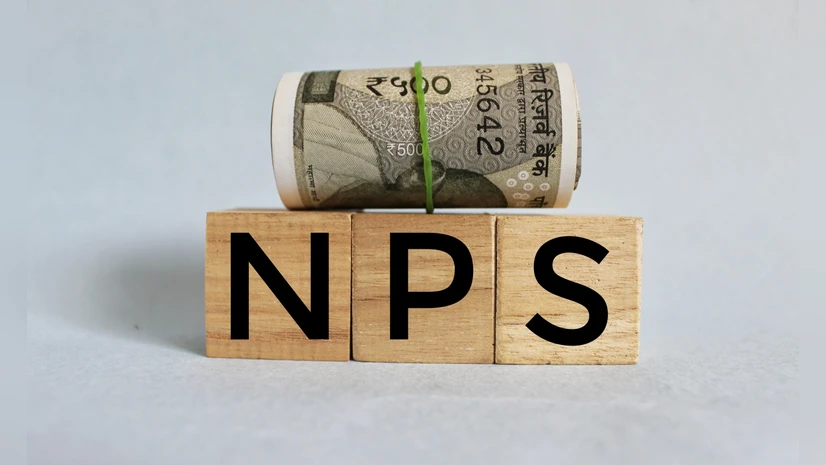
The National Pension System is one of the popular retirement savings schemes in India. It is regulated by the Pension Fund Regulatory and Development Authority. The National Pension System helps people build a retirement fund through long-term investment in stocks, company bonds and government securities.
It is very important to understand the National Pension System exit rules. This is because retirement planning is not about saving money it is also about knowing when and how you can use your money how much tax you have to pay and how much you need to buy a pension.
This guide explains a lot of things about the National Pension System.
* Exit at retirement which is when you are 60 years old or have retired from your job
* Early exit, which is when you leave the National Pension System before you are 60 years
* Partial withdrawals, which is when you take out some of your money before you retire
* Exit after you are 70 years old
* What happens if the person who invested in the National Pension System dies
* Tax rules
* rules for government employees
* Recent updates and examples to help you understand better
The National Pension System is a retirement savings scheme that was started by the Government of India. It is regulated by the Pension Fund Regulatory and Development Authority. There are two types of National Pension System accounts: Tier I and Tier II.
Tier I Account is mandatory for retirement savings. Has some restrictions on withdrawing your money. You can also get some tax benefits with this account.
Tier II Account is like a savings account where you can put in and take out your money whenever you want. You do not have to buy a pension with this account. The tax benefits are limited.
Most of the exit rules we will talk about apply to Tier I accounts. This is because Tier II accounts are like regular investment accounts.
When you turn 60 years old or reach the age when you can retire from your job you can exit the National Pension System. At this time you can take out up to 60% of your retirement fund as a lump sum. You have to use least 40% of your fund to buy a pension.
For example lets say your retirement fund is ₹10 lakh. You can take out ₹6 lakh as a lump sum. You have to use ₹4 lakh to buy a pension. You can take out the lump sum at once or you can take it out in parts until you are 70 years old.
The lump sum you take out when you are 60 years old is not taxed.. The pension you get from the annuity is taxed as income. This makes the National Pension System one of the tax-efficient retirement schemes in India.
You have to buy the annuity from insurance companies that are approved by the government. Some examples of these companies are Life Insurance Corporation of India HDFC Life Insurance Company and ICICI Prudential Life Insurance. There are types of annuity options you can choose from, such as a lifetime pension, a joint life pension, a pension with a return of the purchase price and an increasing annuity.
If you want to exit the National Pension System before you’re 60 years old you can do so but the rules are stricter. You have to have been a part of the National Pension System for least 5 years and you can only take out 20% of your retirement fund as a lump sum. You have to use 80% of your fund to buy a pension.
For example lets say your retirement fund is ₹10 lakh. You can take out ₹2 lakh as a lump sum. You have to use ₹8 lakh to buy a pension. The lump sum you take out is not taxed,. The pension you get is taxed as income.
Exiting the National Pension System before you are 60 years old reduces your flexibility and the amount of money you can use away.
The National Pension System also allows you to take out some of your money before you retire. You can do this after you have been a part of the National Pension System for 3 years. You can take out up to 25% of the money you have put into the National Pension System. You can do this 3 times while you are a part of the scheme. You have to wait least 5 years between each time you take out money unless it is an emergency.
You can use the money you take out for things, such as your childrens education, their marriage, buying or building a house or if you are very sick. The money you take out is not taxed.
If your retirement fund is ₹5 lakh or less when you are 60 years old you can take out the amount as a lump sum. You do not have to buy a pension. This rule helps people who do not have a lot of money in their retirement fund.
You do not have to exit the National Pension System when you’re 60 years old. You can keep putting money into the National Pension System until you’re 70 years old. You can also delay buying a pension. This is useful if you are still working and do not need the pension away.
When you are 70 years old you have to take out the amount in your retirement fund. You still have to use least 40% of your fund to buy a pension. You cannot delay taking out the money longer.
If the person who invested in the National Pension System dies the whole amount in their retirement fund is given to the person they chose to inherit their money. This person does not have to buy a pension. They do not have to pay tax on the money.
There are some rules for government employees. They can take out up to 60% of their retirement fund as a lump sum. They have to use at least 40% of their fund to buy a pension. The lump sum they take out is not taxed.
Tier II accounts have exit rules. You can take out your money at any time. You do not have to buy a pension. However you do not get many tax benefits with a Tier II account.
The National Pension System has some tax benefits. You can get a tax deduction of up to ₹1.5 lakh per year for the money you put into the National Pension System. Your employer can also contribute to the National Pension System. This is tax-free up to 10% of your salary.
Lets look at an example. Mr. Sharma invests ₹5,000 per month in the National Pension System for 30 years. He gets a return of 10% per year. When he is 60 years old his retirement fund is ₹1.1 crore. He can take out ₹66 lakh as a lump sum. He has to use ₹44 lakh to buy a pension. If the annuity rate is 6% he will get a pension of ₹2.64 lakh per year. This pension is taxed as income.
It is better to exit the National Pension System at 60 years old than before. This is because you can take out money as a lump sum and you have more flexibility.
Here are some important things to remember about the National Pension System:
* The National Pension System is for long-term retirement planning
* Exiting the National Pension System before you are 60 years old reduces your flexibility and the amount of money you can use away
* You can take out up to 60% of your retirement fund as a lump sum when you are 60 years old. This is not taxed
* The pension you get from the annuity is taxed as income
* You can take out some of your money before you retire. Only 3 times
* You can continue to put money into the National Pension System until you’re 70 years old
The National Pension System has some advantages. It helps people discipline themselves to save for retirement it ensures that they have a pension income it is tax-efficient. It protects their family.
However the National Pension System also has some disadvantages. You have to buy a pension with least 40% of your retirement fund the returns, on the annuity are low and the pension income is taxed.
The rules of the National Pension System are governed by the Pension Fund Regulatory and Development Authority. This authority updates the rules to make the National Pension System more flexible and to protect the investors.