Oil prices jump and shares drop after Trump threatens more Iran strikes
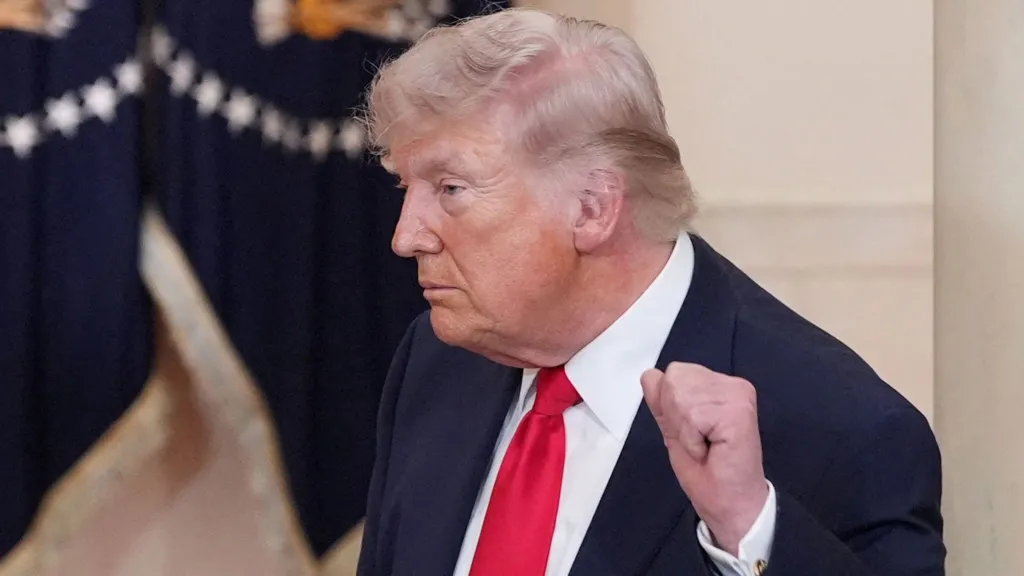
The oil prices have gone up fast and the global stock markets have gone down after Donald Trump said he will attack Iran again. This is an example of how what happens in politics affects the whole world economy. This is all connected to the war in Iran that is going on now and the problems it is causing in one of the most important places where oil is transported. The Strait of Hormuz.
1. Background: Why This Crisis Matters
The Middle East is where most of the worlds oil comes from and when there are problems it affects the oil market really fast.
20% Of the worlds oil passes through the Strait of Hormuz.
The fight between the United States, Israel and Iran has gotten worse since the start of 2026.
Iran has. Limited the shipping routes, which has made people worry about getting oil.
When Donald Trump said he will keep or increase the action the markets thought:
The fight will go on for a long time.
The problems with getting oil will get worse.
This caused a reaction in both the oil market and the stock market.
2. Immediate Market Reaction
(A) Oil Prices Go Up
The price of Brent oil went up by about 7-8% to more than $109-111 per barrel.
The price of US oil went up by about 11% to more than $111.
The short-term price of oil even reached high levels because people were worried about not getting enough oil.
The reason oil prices went up is:
People were worried about not getting oil.
The shipping route in Hormuz was closed or in danger.
The oil facilities might get damaged.
Traders thought there would be oil in the future.
(B) Stock Markets Go Down
The markets in Asia went down a lot:
South Korea went down by 4.8%.
Japan went down by 2.4%.
The markets in the US were unstable. They went down at first. Then came back up a bit.
The reason stocks went down is:
Oil prices going up means businesses have to pay more.
There is a risk of the whole world economy slowing down.
Investors were scared and unsure.
3. Core Economic Mechanism
This situation can be explained by four economic reasons:
3.1 Oil Market Shock
This is the most important reason.
The war is. Threatening the production and transportation of oil.
Iran is limiting the shipping routes. The global supply of oil is going down.
This means the price of oil goes up.
3.2 Inflation
Oil is a thing that the economy needs:
For transportation. Like fuel for cars.
For manufacturing. Like making things in factories.
For electricity. Power for homes.
For food supply chains. Like getting food from farms to stores.
When oil prices go up:
Everything becomes more expensive.
Inflation goes up around the world.
We can see this happening already. The price of petrol is going up in countries.
3.3 Investor Risk
When there are problems in the world:
Investors move their money from:
Stocks. Because they are risky.
To:
The US dollar. Because it is safe.
Gold. Because it is valuable.
Government bonds. Because they are secure.
This causes the stock markets to go down.
3.4 Interest Rates
High oil prices mean inflation so central banks might:
Increase interest rates.
Higher interest rates:
Make it harder for people to borrow money.
Slow down business activity.
Hurt the value of stocks.
4. Role of Donald Trumps Statement
Donald Trumps threat was very important because it changed what people thought would happen.
Before:
People thought the fight would calm down.
After his statement:
People thought the fight would go on for a time.
Markets react not just to what’s happening now but to what they think will happen in the future.
That is why what someone says can affect a lot of money.
5. Importance of the Strait of Hormuz
This crisis is about the Strait of Hormuz.
Some important facts:
It connects the Persian Gulf to the rest of the world.
It is used for oil from Saudi Arabia, the UAE, Iraq and Kuwait.
If it is only partly closed it affects the whole worlds oil supply.
During this crisis:
The number of ships going through the Strait went down a lot.
Tankers were avoiding the route.
The cost of insurance for ships went up.
This caused the disruption to the oil supply in a long time.
6. Global Impacts
6.1 Energy Crisis
The price of oil could go up to $120-150 per barrel if the problems continue.
The markets for LNG and gas are also affected.
6.2 Impact on Countries
Some countries import a lot of oil like India, Japan and the EU.
These countries are the affected.
They have to pay more for oil.
Their currencies are under pressure.
Some countries export a lot of oil like Saudi Arabia and Russia.
These countries benefit from the oil prices.
6.3 Impact on India
India imports 85% of its crude oil.
The effects are:
The price of petrol and diesel goes up.
Inflation goes up.
The current account deficit gets bigger.
The value of the rupee goes down.
This directly affects people. They have to pay more for transportation, food and electricity.
6.4 Corporate Impact
Some industries are negatively affected:
Airlines.
Transport.
Manufacturing.
Some industries are positively affected:
Oil companies.
Energy producers.
7. Financial Market Dynamics
7.1 Commodities vs Stocks
The price of oil goes up.
The price of gold goes up.
The stock markets go down. Are unstable.
The demand for bonds goes up.
7.2 Currency Movements
The US dollar gets stronger.
The currencies of emerging markets get weaker.
The reason is:
Investors like to put their money in things.
8. Historical Comparison
This situation is similar to:
The 1973 Oil Crisis.
The Gulf War from 1990 to 1991.
The Russia-Ukraine war in 2022.
The 2026 crisis is unique because:
The disruption to the Strait of Hormuz is very big and happened fast.
The global supply chains were already fragile.
9. Future Outlook
There are a few scenarios:
Scenario 1: The war gets worse.
The price of oil goes above $150.
There is a risk of a recession.
Inflation gets very bad.
Scenario 2: The problem is partly solved.
The price of oil stabilizes at around $90-110.
The economy slows down a bit.
Scenario 3: The problem is completely solved.
The price of oil goes down.
The markets recover.
10. Why Oil Prices React So Fast
The oil market is always looking to the future:
Traders think about the risks that might happen and change the price away.
Even rumors or speeches can cause the price to go up a lot.
For example:
Donald Trumps statement alone made the price move by digits.
11. Why Stock Markets Fall
The stock markets go down because:
The cost of oil goes up.
This means businesses have to pay more.
Their profits go down.
The interest rates might go up.
The risk increases.
Investors sell their stocks so the markets go down.
12. Key Takeaways
When there are problems in the world oil prices go up.
The Strait of Hormuz is very important for the energy supply.
Donald Trumps aggressive statement made people think the war would go on for a time.
When oil prices go up it leads to:
Inflation.
The economy slowing down.
The markets becoming unstable.
The stock markets go down because:
The costs go up.
Investors are scared.
The interest rates might go up.
The fast increase in oil prices. The fall in stock markets after Donald Trumps threat against Iran shows how closely connected politics and economics are. The energy markets are especially sensitive because oil is the backbone of economies. The disruption to the Strait of Hormuz has made people worry about a supply shock and the uncertainty about the war has shaken the confidence of investors.
In short this event shows a principle:
When there are problems, in the world oil prices go up and the financial markets become unstable.