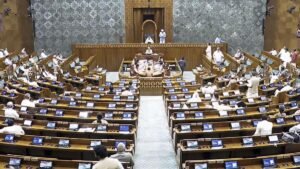
PM lauds Speaker for conducting Lok Sabha proceedings with ‘dedication, patience and impartiality’
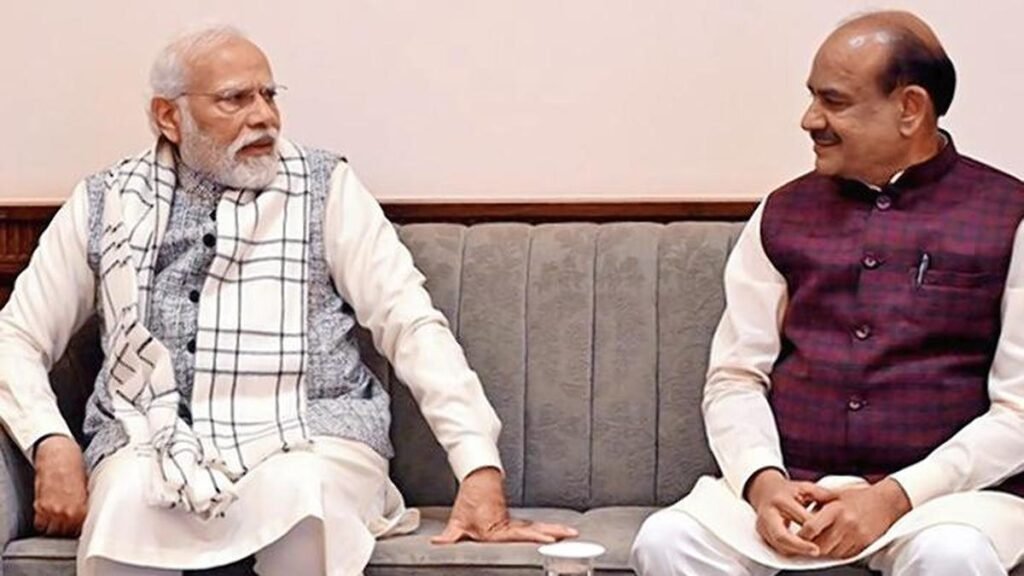
The person in charge of a parliament is very important. In India the Speaker of the Lok Sabha plays a role in making sure that discussions in parliament are fair and orderly. Recently Narendra Modi said that Om Birla did a job of running the Lok Sabha with “dedication, patience and impartiality”.
The Prime Ministers comments showed how important the Speakers job is in keeping traditions alive. This also shows how important it is to have leaders in parliament who can keep things calm and make sure everyone follows the rules.
Here is what we are going to talk about:
1. Why the Prime Minister said what he said about the Speaker
The Prime Minister made these comments during a discussion in parliament about how the House was working. In years there have been many heated debates and disagreements in the Indian Parliament. The Speaker has to balance things:
* Keeping order in the House
* Letting all parties have their say
* Making sure everyone follows the rules
* Stopping disruptions that can halt work
The Prime Minister said that Om Birla did a great job of managing all these things. He also said that parliament only works well when the person in charge is neutral and treats everyone equally.
2. The role of the Lok Sabha Speaker in India
The Speaker of the Lok Sabha is an important person in Indias democratic system. This position was created by the Constitution of India. The Speaker is in charge of the house of Parliament.
2.1 How the Speaker is chosen
The Speaker is chosen by the members of the Lok Sabha after an election. The person who is chosen usually belongs to the ruling party. Once they are chosen they have to be impartial.
The Speaker stays in office until:
* The Lok Sabha is dissolved
* The Speaker quits
* The Speaker is removed by a vote in the House
This makes sure that the Speaker is accountable to the House, not the government.
2.2 What the Speaker does
The Speaker has important jobs.
* Keeping order in the House: The Speaker is in charge of sessions and makes sure that discussions follow the rules.
* Letting members speak: The Speaker decides who gets to speak. For how long.
* Interpreting rules: The Speaker explains the rules of parliament.
* Certifying Money Bills: The Speaker decides if a bill is a Money Bill, which deals with taxation and public expenditure.
* Chairing committees: The Speaker is in charge of appointing members to committees.
3. Why dedication is important for the Speaker
The Prime Minister said that the Speaker showed “dedication” in his work. This means that the Speaker has to work hard to manage parliamentary sessions.
* The Speaker needs to know the rules well.
* The Speaker has to manage conflicts between parties.
* The Speaker has to work hours.
The Speaker has to be dedicated to protecting the dignity and traditions of Parliament.
4. Why patience is important for the Speaker
Parliamentary debates can be very heated. The Speaker has to be patient and calm even when things get tough.
* The Speaker has to encourage dialogue.
* The Speaker has to give time to opposing viewpoints.
* The Speaker has to try to restore order
Patience is crucial for preventing deadlocks in parliament.
5. Why impartiality is important for the Speaker
Impartiality is the important quality for a Speaker. The Speaker has to be neutral even if they belong to a party.
* The Speaker has to treat everyone
* The Speaker has to apply the rules
* The Speaker has to avoid showing bias.
If the Speaker is not impartial it can lead to conflicts and less trust in parliament.
6. Challenges faced by the Speaker
The Speakers job is very challenging.
* There are often disruptions in parliament.
* There is a lot of polarization.
* The Speaker has to manage time carefully.
The Speaker has to handle these challenges
7. How parliament works in India
India has a system of government like the United Kingdom.
* The government is accountable to parliament.
* Laws are made by elected representatives.
* Opposition parties play a role in questioning the government.
The Lok Sabha represents the people of India. Is elected directly.
8. The relationship between the government and the Speaker
The government needs the Speaker to make sure that legislative work gets done. The Prime Ministers praise for the Speaker shows that he values the Speakers role.
* The Speaker has to remain independent of the government.
* The Speaker has to protect the rights of all members.
9. What people think of parliament
Parliament is a visible institution in India. When people watch debates they expect to see serious discussions and respectful behavior.
* Frequent disruptions can damage trust in parliament.
* The Speakers role in maintaining discipline is crucial for preserving the dignity of parliament.
The Prime Ministers comments about dedication, patience and impartiality show how important these values are.
10. The history of the Speakers office
India has had respected Speakers since independence.
* G. V. Mavalankar
* Somnath Chatterjee
* Meira Kumar
Each of these Speakers contributed to strengthening traditions and procedures.
11. The importance of parliamentary etiquette
etiquette refers to the rules and traditions that guide behavior in parliament.
* Addressing the Chair respectfully
* Speaking when recognized by the Speaker
* Avoiding attacks
* Following time limits for speeches
The Speaker makes sure that these rules are followed. This helps preserve the dignity and seriousness of debates.
12. The role of the opposition in parliament
The opposition plays a role in democratic governance.
* Questioning government decisions
* Highlighting concerns
* Proposing policies
The Speaker has to make sure that the opposition has enough opportunities to express its views.
13. How the Speaker affects productivity
The Speakers leadership is crucial for the productivity of parliament.
* Passing budgets
* Approving government policies
* Enacting social welfare laws
* Debating security issues
The Speaker has to make sure that debates run smoothly and disruptions are minimized.
14. What the Prime Ministers appreciation means
The Prime Ministers praise for the Speaker is significant.
* It shows respect for institutions.
* It recognizes the Speakers efforts.
* It emphasizes values.
This praise also highlights the need for cooperation among leaders to maintain parliamentary decorum.
15. The broader message for democracy
The Prime Ministers comments send a broader message about the importance of respectful debate and institutional integrity.
* Democracy depends on the functioning of institutions like parliament.
* When parliamentary proceedings are conducted fairly and efficiently citizens gain confidence in the system.
The Speakers commitment to dedication, patience and impartiality helps strengthen these foundations. The praise from Prime Minister Narendra Modi for Om Birla shows how important the Speakers role is, in making sure that the Lok Sabha runs smoothly.
The Speaker has a lot of work to do. The Speaker has to make sure everyone follows the rules and gets a chance to talk. The Speaker also has to understand the rules and make sure people are treated fairly. The Speaker has to be very patient and not take sides. The Prime Minister thinks these are qualities for The Speaker to have.
In a country like India, where everyone has opinions discussions in parliament can get very heated. The Speaker makes sure that people can disagree with each other without getting too upset. The Speaker sees to it that people talk about their differences in an structured way.
For Indias parliament to work well everyone has to be fair and respectful. The Speaker is an important part of this. When we remember how important The Speaker is, we are reminded of the values that make democracy work. The Speaker helps make sure that Indias parliament is a place where people can discuss and disagree without fighting. The Speaker is very important, to Indias democracy.