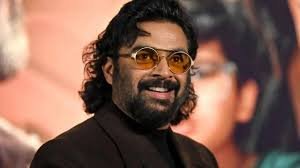
R. Madhavan got personality rights protection from the Delhi High Court, joining a growing list of Bollywood stars safeguarding their image online.
R. Madhavan Secures Personality Rights Protection from the Delhi High Court: A Landmark Moment in Celebrity Image Safeguarding
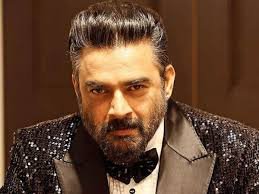
The recent decision by the Delhi High Court to grant personality rights protection to acclaimed actor R. Madhavan marks a significant milestone in the evolving relationship between law, celebrity culture, and the digital economy in India. As Bollywood stars increasingly find their identities, images, voices, and reputations exploited in the online ecosystem, courts are stepping in to define and enforce legal boundaries. Madhavan’s case places him among a growing list of Indian celebrities who are proactively safeguarding their public personas from unauthorized commercial use, misuse, and digital manipulation.
Personality rights, often described as the right of an individual to control the commercial use of their identity, have become critically important in the age of social media, artificial intelligence, deepfakes, and influencer-driven advertising. For public figures like Madhavan—whose face, voice, and name carry immense commercial value—these rights serve as a legal shield against exploitation. The Delhi High Court’s intervention reflects a broader recognition that fame, while conferring visibility, should not strip individuals of control over how their identity is used.
R. Madhavan’s career spans decades and includes critically acclaimed performances across Hindi, Tamil, and international cinema. His reputation is carefully built on credibility, intellectual appeal, and authenticity. This very reputation makes him a prime target for misuse in advertisements, social media promotions, fake endorsements, and AI-generated content. In recent years, many celebrities have discovered their images being used without consent to promote betting apps, crypto platforms, health supplements, and dubious online services. Such misuse not only causes financial harm but also risks irreparable damage to personal credibility and public trust.
The Delhi High Court, in granting protection to Madhavan, acknowledged that a celebrity’s identity is not merely a public commodity but a legally protectable personal asset. The court restrained unknown entities and digital platforms from using Madhavan’s name, image, likeness, voice, or any identifiable aspect of his personality for commercial purposes without explicit authorization. This includes advertisements, social media posts, websites, mobile applications, and AI-generated content. The ruling reinforces the principle that consent is central to any commercial exploitation of identity.
This decision aligns with earlier rulings involving Bollywood stars such as Amitabh Bachchan, Anil Kapoor, Jackie Shroff, Shah Rukh Khan, and others who have successfully sought legal protection against misuse of their personalities. Each of these cases has helped shape India’s emerging jurisprudence on personality rights, even though there is no standalone statute dedicated exclusively to them. Instead, courts derive protection from a combination of constitutional rights, intellectual property law, and common law principles.
At the constitutional level, personality rights are linked to Article 21 of the Indian Constitution, which guarantees the right to life and personal liberty. Over time, the Supreme Court has interpreted this right broadly to include privacy, dignity, and autonomy. When a celebrity’s image or voice is misused, it infringes upon their dignity and personal autonomy, justifying judicial intervention. Madhavan’s case reinforces the idea that the right to privacy does not disappear with fame.
From an intellectual property perspective, personality rights overlap with trademark law, copyright law, and passing off principles. Celebrities often register their names, signatures, or catchphrases as trademarks to prevent misuse. However, not all aspects of personality can be trademarked. Courts therefore rely on the doctrine of passing off, which prevents misrepresentation that leads the public to believe a celebrity has endorsed a product or service when they have not. In Madhavan’s case, the court recognized that unauthorized use could mislead consumers and unfairly capitalize on his goodwill.
The digital dimension of this issue cannot be overstated. With the rise of artificial intelligence, it is now possible to replicate a person’s face, voice, and mannerisms with alarming accuracy. Deepfake videos and AI-generated voice clones pose a new kind of threat, blurring the line between reality and fabrication. Celebrities are particularly vulnerable because their voices and images are widely available online. The Delhi High Court’s order implicitly acknowledges these technological risks and attempts to future-proof legal protection by covering digital and AI-based misuse.
Social media platforms play a central role in this ecosystem. While they provide unprecedented reach and engagement, they also enable rapid dissemination of unauthorized content. Fake advertisements featuring celebrities can go viral within hours, reaching millions before they are taken down. Legal orders like the one in Madhavan’s case put pressure on platforms to act responsibly, monitor content, and respond swiftly to takedown requests. They also send a strong message that intermediaries cannot turn a blind eye to clear violations of personality rights.
From a commercial standpoint, celebrity endorsements are a multi-crore industry in India. Brands invest heavily in associating with trusted public figures to influence consumer behavior. Unauthorized endorsements undermine this ecosystem by distorting consumer perception and creating unfair competition. Madhavan’s legal action helps protect not only his personal brand but also the integrity of legitimate advertising practices. It reassures consumers that endorsements they see are genuine and authorized.
There is also an important ethical dimension to this development. Celebrities are often role models, and their perceived association with certain products or causes can have social consequences. When a celebrity’s image is used to promote harmful or unethical products without consent, it can mislead audiences and erode public trust. By asserting his personality rights, Madhavan is also asserting control over the values and messages associated with his public image.
The growing trend of celebrities approaching courts reflects a shift in awareness and assertiveness. Earlier, misuse of image was often seen as an inevitable side effect of fame. Today, celebrities recognize that legal remedies are not only available but necessary. Each successful case strengthens precedent and encourages others to protect their rights. Madhavan’s inclusion in this list underscores that personality rights are no longer limited to megastars but are relevant to any public figure with a recognizable identity.
This legal evolution also has implications beyond the film industry. Sportspersons, influencers, entrepreneurs, authors, and even social media creators face similar risks. As personal branding becomes central to professional success, the law must adapt to protect individuals from exploitation. The Delhi High Court’s approach suggests a willingness to extend protection wherever there is clear misuse and commercial gain derived from another’s identity.
However, the recognition of personality rights must be balanced against freedom of expression. Courts are careful to distinguish between commercial exploitation and legitimate uses such as news reporting, satire, parody, criticism, and artistic expression. Madhavan’s protection does not prevent journalists from writing about him or filmmakers from referencing him in creative works. It primarily targets commercial misuse that trades on his identity without consent. This balance is crucial to prevent overreach and protect democratic discourse.
In the long term, cases like this may accelerate calls for a comprehensive legal framework on personality rights in India. While judicial precedents provide protection, a dedicated statute could offer clearer definitions, remedies, and enforcement mechanisms. As technology evolves faster than law, legislative clarity will become increasingly important. Madhavan’s case contributes valuable momentum to this ongoing legal conversation.
In conclusion, R. Madhavan securing personality rights protection from the Delhi High Court is far more than an individual legal victory. It reflects changing societal attitudes toward fame, identity, and digital ethics. It underscores the recognition that a person’s image, voice, and name are extensions of their personality and dignity, deserving of legal protection. As Bollywood and the digital economy continue to intersect, such rulings will play a critical role in shaping responsible use of celebrity influence. Madhavan’s case stands as a strong statement that in the digital age, fame does not mean forfeiting control—it means asserting it with clarity, confidence, and the support of the law.