Sensex jumps 787 points; Nifty nears 23k level on softening crude oil prices
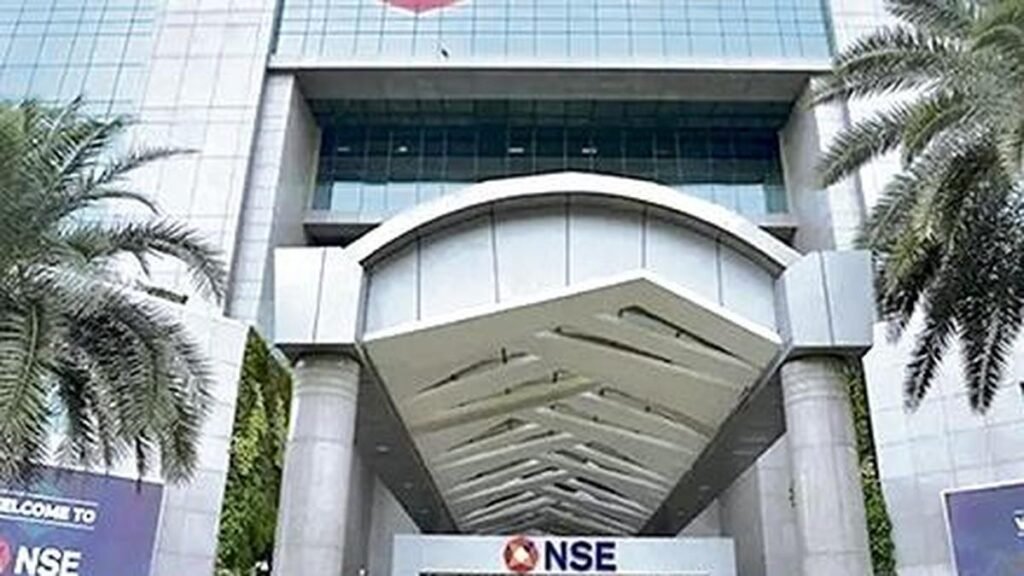
Here’s a detailed explanation of why the Indian stock market surged. The Sensex jumped 787 points. The Nifty is nearing the 23,000 mark. This happened mainly because crude oil prices are falling.
📈 Sensex Surges, Nifty Nears 23,000: Full Explanation
🔹 1. What Happened in the Market?
India’s stock market indices saw a rally:
* BSE Sensex jumped 787 points
* Nifty 50 climbed close to the 23,000 level
This sharp rise shows that investors are feeling positive. This is largely because crude oil prices are declining globally.
🔹 2. Understanding Sensex and Nifty
Let’s clarify what these indices are:
📊 Sensex
* It has 30 companies
* They are listed on the Bombay Stock Exchange
* It shows how large Indian companies are doing
📊 Nifty 50
* It has 50 companies
* They are listed on the National Stock Exchange
* It covers sectors like banking, IT and energy
👉 When both indices rise sharply it means that the market is optimistic.
🔹 3. Key Trigger: Falling Crude Oil Prices
🛢️ Why Crude Oil Matters to India
India imports a lot of oil. 85% Of it.
So when global oil prices fall:
* Import costs go down
* Inflation pressure reduces
* Government finances get better
* Companies make more profit
🛢️ Global Crude Oil Trends
Oil prices are soft. This is because:
* Global demand is weak
* There is tension in some areas
* More oil is being supplied
👉 Lower oil prices are good for India.
🔹 4. How Falling Oil Prices Boost Markets
✅ (1) Lower Inflation
Fuel prices affect:
* Transport costs
* Food prices
* Manufacturing expenses
When crude oil prices fall inflation goes down. People have money to spend.
✅ (2) Better Corporate Margins
Companies benefit because:
* Their costs go down
* Their profits go up
This is especially true for sectors like:
* Airlines
* Paints
* Cement
* FMCG
✅ (3) Stronger Rupee
oil imports mean less demand for US dollars. This makes the rupee stronger.
👉 A stable rupee attracts investors.
✅ (4) Improved Fiscal Balance
The government spends less on:
* Oil imports
* Fuel subsidies
This improves the government’s finances. Investors feel more confident.
🔹 5. Sector-Wise Market Impact
🚗 Auto Sector
Lower fuel costs mean more people will buy vehicles. This increases demand.
✈️ Aviation Sector
Fuel costs a lot for airlines. Lower oil prices mean profits.
🏗️ Infrastructure & Cement
Lower transport costs mean better profits.
🛒 FMCG Sector
Lower logistics costs mean earnings.
💻 IT Sector
The sector benefits indirectly. Global sentiment improves.
🔹 6. Role of Global Factors
Stock markets are also affected by trends:
🌍 Key International Drivers
* US inflation is cooling down
* Interest rates are stable
* Global liquidity is improving
* There are geopolitical tensions
👉 These factors led to foreign investment in India.
🔹 7. FII and DII Activity
💰 Foreign Institutional Investors (FIIs)
* Invest heavily when India’s economy is doing well
* Lower oil prices are good for India. This led to investment.
💰 Domestic Institutional Investors (DIIs)
* Mutual funds and insurance companies kept buying
👉 Both types of investors bought. This led to a market.
🔹 8. Banking Sector Rally
Banking stocks did well:
* Credit growth is strong
* Non-Performing Assets (NPAs) are stable
* The economic outlook is good
Major banks pushed both Sensex and Nifty higher.
🔹 9. Technical Perspective
📊 Nifty Near 23,000
This level is important. It shows that the market is doing well.
📊 Market Indicators
* High volumes
* Many stocks are participating
* The advance-decline ratio is positive
👉 These confirm a rally.
🔹 10. Investor Sentiment
😊 Why Investors Are Optimistic
* Inflation risk is falling
* The economy is stable
* Companies are expected to make profit
* Government policies are stable
👉 This led to buying across sectors.
🔹 11. Risks to Watch
There are still risks:
⚠️ Possible Challenges
* Oil prices rising again
* Geopolitical tensions
* Global recession fears
* Interest rate hikes
👉 Markets are sensitive to developments.
🔹 12. Long-Term Implications
📈 Positive Outcomes
* A stronger economy
* More investor confidence
* More foreign investment
* Higher corporate earnings
📉 If Oil Prices Rise Again
* Inflation may increase
* The rupee could weaken
* Markets may correct
🔹 13. Summary
🧾 Key Takeaways
* The Sensex surged 787 points. This is because of factors.
* The Nifty approached 23,000. It shows momentum.
* The main driver is the fall in crude oil prices.
* Sectors like auto, aviation and FMCG did well.
* Global stability and investor inflows supported the market.
The rally, in the BSE Sensex and Nifty 50 shows how crude oil prices directly affect India’s stock market. India imports a lot of oil. So lower oil prices are an advantage. This triggered market optimism.
However investors should be cautious. Markets are dynamic. They are affected by global and domestic factors.