Sensex tumbles 931 points, Nifty plunges to 23,775 level amid fading confidence on Iran-U.S. ceasefire
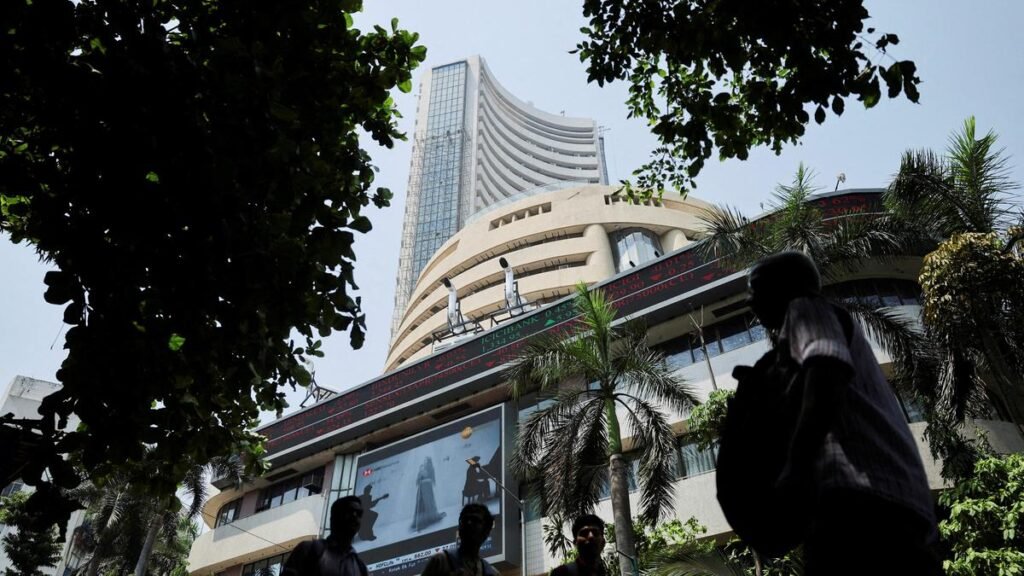
On April 9 2026 Indias benchmark indices, the Sensex and Nifty 50 had a drop. The Sensex fell by 931 points to around 76,632 and the Nifty 50 dropped by about 222 points to around 23,775. This happened one day after the market had a huge rally, which shows how unpredictable the market sentiment is right now.
🌍 The main reason for this drop was the uncertainty about the ceasefire between Iran and the United States. A temporary ceasefire had boosted the market earlier. When confidence in that ceasefire started to weaken tensions rose again and people started to worry about a possible conflict.
Markets do not like uncertainty and when the risk of war increases investors become cautious. Move their money from stocks to safer assets like gold, US dollars and bonds. This is what happened and as a result the stock market fell sharply.
🛢️ Another big reason for the drop was the rise in crude oil prices. When tensions increased oil prices jumped to $95-$98 per barrel. This is a problem for India because the country imports more than 80% of its oil needs. Rising oil prices lead to inflation increased fiscal deficit and pressure on the current account deficit, which ultimately affects the economy and the stock market.
When oil prices rise Indias economy gets. The stock market falls. The rise in oil prices also leads to costs for transportation, petrol and diesel which affects the overall economy.
💸 The market had a rally just one day earlier with the Sensex surging by almost 2,900 points and the Nifty touching near 24,000. This created a situation where the market was overbought. Investors started to sell stocks to lock in their profits, which triggered a natural correction.
📌 This is what is called “profit booking after a rally.” The market was due for a correction and the combination of domestic factors led to the drop.
🌐 The global market sentiment was also weak due to the tensions in the Middle East rising oil prices and uncertainty about growth. Indian markets are connected to markets so when global indices fall India follows.
💰 Foreign Institutional Investors (FIIs) also played a role in the drop. They continued to sell stocks, which led to an increase in capital outflows. FIIs prefer assets like US bonds especially during times of crisis and they consider emerging markets like India to be risky.
📉 As a result there was pressure on the Sensex and Nifty. The weakening of the rupee also added to the pressure. When geopolitical risks rise investors move to the US dollar. The Indian rupee weakens. This makes imports costlier leads to inflation and reduces corporate margins, which further reduces investor confidence.
🏦 The drop in the market had a sector- impact, with financial stocks being the biggest drag. Banks like HDFC Bank and ICICI Bank. The financial sector dropped by about 1.4%. This is because financial stocks are highly sensitive to uncertainty and there was profit booking after the previous rally.
Large-cap stocks also fell more as the Sensex is dominated by companies and the selling pressure hit these stocks harder. However midcaps and smallcaps were relatively stable which shows that the drop was not a panic crash but a correction.
📊 The drop in the market was not a market crash as midcap and smallcap indices stayed stable and there was no panic selling observed. Experts call this a ” correction after a rally.”
🔄 What changed in 24 hours was the confidence in the ceasefire between Iran and the United States. On April 8 the ceasefire was announced, oil prices. The market surged. But on April 9 doubts about the ceasefire emerged, oil prices. The market fell.
👉 This shows that markets today react fast to global news. The shift in sentiment was the reason for the market drop. Stock markets are driven by data and emotions and in this case the negative sentiment led to the drop.
📉 From an analysis perspective the Nifty formed a bearish candle and the support zone is around 23,500-23,700 with a resistance at 24,000. The market is consolidating and not breaking its long-term trend.
🧾 Historically such drops are common. The BSE Sensex has seen falls of over 1,000 points multiple times, even 2,000-point crashes during the COVID era. So a 931-point fall is significant but not extreme.
📊 The impact on investors is different for short-term traders and long-term investors. Short-term traders face volatility and increased risk while long-term investors see this as an opportunity to buy quality stocks. The key lesson is that markets react in the term but fundamentals matter in the long term.
🔮 Looking ahead the market direction depends mainly on geopolitics and oil prices. Positive triggers include a ceasefire, falling oil prices and FII inflows while negative triggers include war escalation, oil prices above $100 and a weak rupee.
The fall of the Sensex and Nifty was caused by a combination of domestic factors, not a single reason. Geopolitical tension, rising oil prices, profit booking, global weakness and FII selling all added to the pressure. It was not a crash, just a correction. Indias benchmark indices, the Sensex and Nifty 50 will likely continue to be affected by these factors in the future. The India market is closely tied to the market and the India economy is heavily dependent, on crude oil prices. The Sensex and Nifty 50 are the indicators of the India market and their performance is closely watched by investors.