Stock markets bounce back after falling in early trade
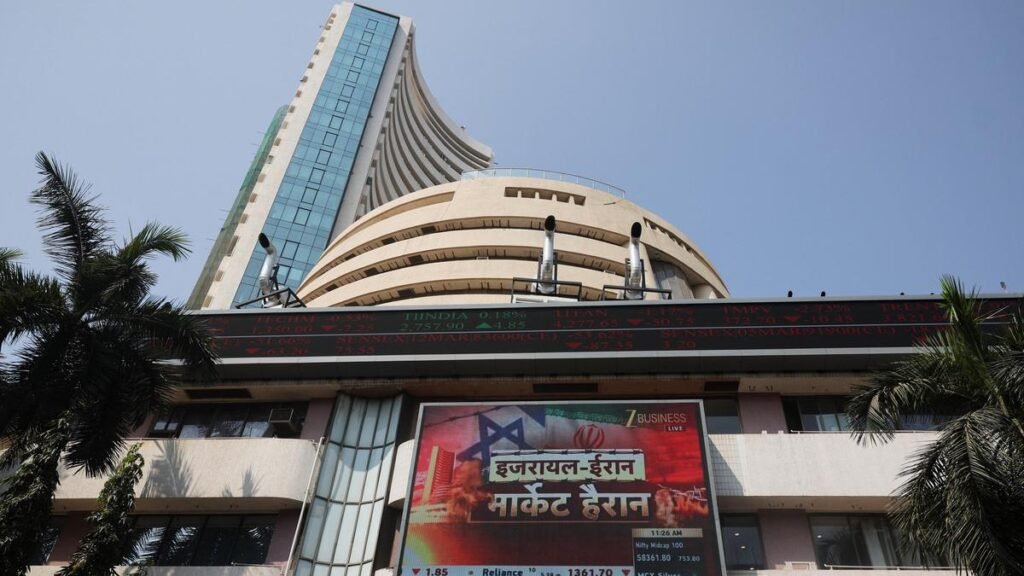
Stock markets often exhibit a dynamic pattern of movement within a single trading session, and one of the most commonly observed phenomena is a rebound or “bounce back” after an initial decline in early trade. This pattern reflects the complex interaction of multiple forces such as investor sentiment, global cues, institutional participation, macroeconomic expectations, and technical trading behavior. When markets open lower, it is usually a reaction to negative overnight developments—such as weak global markets, geopolitical tensions, inflation concerns, or disappointing economic data. In the Indian context, indices like the Nifty 50 and Sensex frequently mirror trends from major global markets like the United States, Europe, and Asia. If Wall Street closes in the red or Asian markets trade weakly, Indian equities often open lower due to cautious investor sentiment. However, the story does not end at the opening bell. As trading progresses, fresh information, bargain hunting, and strategic buying can lead to a recovery, allowing markets to erase early losses and even turn positive.
One of the primary reasons for a market rebound after a weak start is value buying by investors. When stocks fall sharply in early trade, they may become attractive at lower valuations, prompting investors—especially long-term ones—to step in and buy quality stocks at discounted prices. Institutional investors such as mutual funds, insurance companies, and foreign institutional investors (FIIs) play a crucial role in this process. Their large-scale purchases can provide the necessary momentum for markets to recover. Domestic institutional investors (DIIs), in particular, often act as stabilizers in the Indian market, counterbalancing selling pressure from foreign investors. When they identify opportunities in beaten-down stocks, their buying activity can quickly reverse the downward trend.
Another important factor behind such rebounds is short covering. In the derivatives market, traders often take short positions when they expect prices to fall. If the market does not continue to decline as anticipated, these traders may rush to cover their positions by buying back shares, which creates upward pressure on prices. This phenomenon can accelerate the recovery, especially in highly liquid stocks and indices. Short covering rallies are typically sharp and swift, contributing significantly to intraday rebounds.
Global cues also evolve during the trading day, influencing market direction. For instance, if European markets open on a positive note after a weak Asian session, it can improve sentiment in Indian markets during the latter half of the trading day. Similarly, any positive news related to global economic indicators, easing geopolitical tensions, or favorable developments in commodity prices—such as crude oil—can boost investor confidence. In India, crude oil prices are particularly important because the country is a major importer of oil. A decline in oil prices reduces inflationary pressure and improves the fiscal outlook, which is generally positive for equities.
Sectoral rotation is another mechanism that contributes to market recovery. Even when the broader market opens lower, certain sectors may show resilience or attract buying interest. For example, banking, IT, or FMCG stocks might gain due to specific news or favorable outlooks. As these heavyweight sectors recover, they pull the overall indices upward. Banking stocks, in particular, have a significant weight in Indian indices, so any recovery in this sector can have a strong impact on the overall market direction. Similarly, IT stocks may benefit from a weaker rupee, as it boosts export earnings, leading to buying interest in the sector.
Macroeconomic factors and policy expectations also influence intraday market movements. Investors continuously assess data related to inflation, interest rates, GDP growth, and government policies. If there are expectations of supportive measures—such as rate cuts by the central bank or fiscal stimulus by the government—markets may recover even after an initial decline. In India, announcements or comments from the Reserve Bank of India (RBI) can significantly impact market sentiment. For instance, if investors anticipate that the RBI will maintain a growth-friendly stance, it can lead to buying interest in rate-sensitive sectors like banking, real estate, and automobiles.
Technical factors play a crucial role in shaping market movements as well. Traders closely watch key support and resistance levels. When the market falls to a strong support level, it often attracts buying interest, leading to a bounce. Technical indicators such as moving averages, relative strength index (RSI), and Fibonacci retracement levels help traders identify potential reversal points. Algorithmic trading and high-frequency trading systems also contribute to these movements, as they execute trades based on predefined technical signals. When multiple technical indicators suggest that the market is oversold, automated buying can trigger a recovery.
Investor psychology is another critical element in understanding why markets bounce back. Fear and greed are the two dominant emotions driving market behavior. A sharp fall in early trade may initially create panic among retail investors, leading to selling pressure. However, experienced investors often view such declines as opportunities rather than threats. As panic subsides and rational decision-making takes over, buying interest emerges, supporting a recovery. Market participants also pay attention to news flow and expert commentary during the day, which can influence sentiment and trading decisions.
Corporate developments and stock-specific news can further contribute to a rebound. Positive earnings announcements, merger and acquisition news, or favorable regulatory changes can boost individual stocks and, in turn, lift the broader market. For example, if a major company reports better-than-expected quarterly results, its stock may rally, providing support to the index. Similarly, news of large investment plans, government contracts, or technological advancements can drive buying interest in specific sectors.
Liquidity conditions in the market are also a key determinant of intraday movements. Ample liquidity, supported by strong inflows from domestic and foreign investors, can help markets absorb selling pressure and recover quickly. Conversely, tight liquidity conditions may limit the extent of a rebound. Central bank policies, global liquidity trends, and capital flows all influence the availability of liquidity in the market.
Another factor that often contributes to market rebounds is the presence of long-term investors who are less sensitive to short-term volatility. Pension funds, sovereign wealth funds, and large institutional investors typically focus on long-term growth prospects rather than daily price fluctuations. Their steady buying during market dips provides a strong foundation for recovery. In contrast, short-term traders and speculators may contribute to initial volatility but do not necessarily determine the overall trend.
Geopolitical developments can also have a significant impact on market behavior. While negative news—such as conflicts, trade tensions, or political instability—may cause markets to open lower, any signs of resolution or de-escalation can lead to a rebound. Investors closely monitor such developments and adjust their positions accordingly. In recent years, global markets have become increasingly interconnected, so events in one part of the world can quickly influence markets elsewhere.
Currency movements are another important consideration. In India, the performance of the rupee against the US dollar can influence market sentiment. A stable or strengthening rupee is generally positive for the market, as it reduces import costs and signals economic stability. Conversely, a weakening rupee may initially weigh on sentiment but can benefit export-oriented sectors like IT and pharmaceuticals, leading to selective buying and a potential market recovery.
It is also worth noting that intraday rebounds do not necessarily indicate a sustained upward trend. Markets may recover during the day but still face challenges in maintaining momentum over the longer term. Investors need to differentiate between short-term technical rebounds and genuine trend reversals driven by strong fundamentals. While intraday recoveries can provide trading opportunities, long-term investment decisions should be based on a comprehensive analysis of economic conditions, corporate earnings, and market valuations.
the phenomenon of stock markets bouncing back after falling in early trade is a reflection of the dynamic and multifaceted nature of financial markets. It is driven by a combination of factors, including value buying, institutional participation, short covering, global cues, sectoral rotation, macroeconomic expectations, technical indicators, and investor psychology. Each of these elements interacts in complex ways, creating a constantly evolving market environment. Understanding these factors can help investors make informed decisions and navigate market volatility more effectively. While short-term fluctuations are inevitable, they also present opportunities for those who are able to interpret market signals and act strategically.