Stock markets decline 2% in early trade amid rising tensions in West Asia, surge in crude oil price
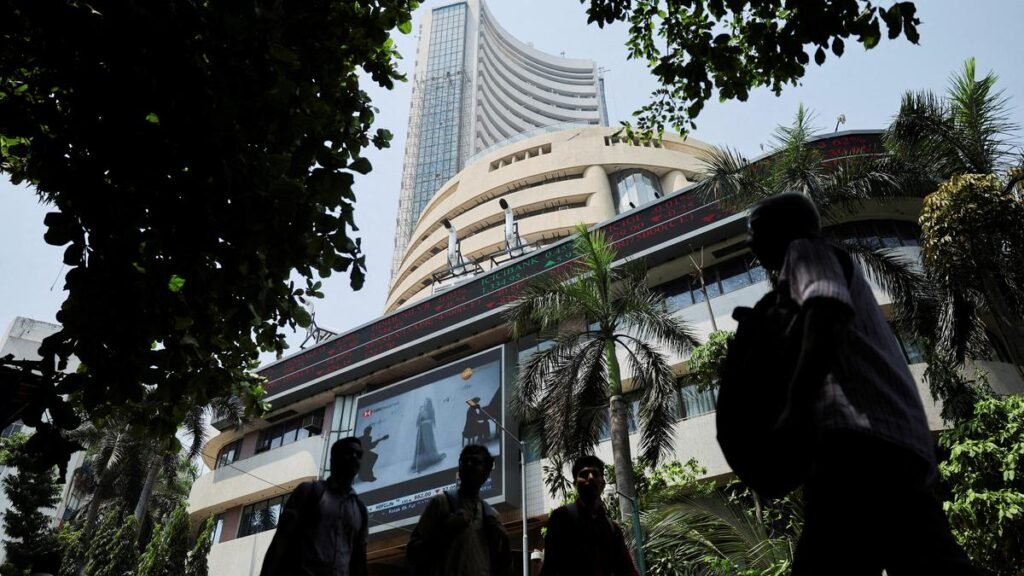
The stock market has taken a hit with a 2% decline in early trade. This is not a one-time thing. It is part of a bigger global financial reaction to the rising tensions in West Asia and the sudden jump in crude oil prices. This has caused a lot of panic selling made investors increased uncertainty in both global and Indian markets.
1. Immediate Trigger: West Asia Tensions
The main reason for the stock market decline is the escalating conflict involving Iran and Western powers.
Recent statements about military action have raised fears of a long war.
Markets react strongly to uncertainty because it affects:
* Trade routes
* Energy supply
* Global economic stability
According to reports fears got worse after threats of attacks and no clear plan to calm things down.
Why markets react negatively:
War means uncertainty
Investors avoid assets like stocks
Money moves to safe assets like gold, dollars and bonds
2. Crude Oil Price Surge: The Core Economic Shock
One of the reasons for the market fall is the sharp rise in crude oil prices.
U.S. Crude jumped over 11% crossing $110 per barrel
Brent crude surged above $107 per barrel
Why oil prices surged:
Fear of supply disruption
Threat to oil infrastructure
closure of the Strait of Hormuz
The Strait of Hormuz is very important because around 20% of the worlds oil supply passes through it.
Any disruption here creates:
Immediate supply shortages
Panic buying
Price spikes
This is why even the possibility of disruption causes markets to fall.
3. Link Between Oil Prices and Stock Markets
The relationship between oil and stock markets is inverse in countries like India that import a lot of oil.
When oil prices rise:
Import bills increase
Inflation rises
Corporate profits fall
Economic growth slows
India imports over 80% of its oil making it very vulnerable.
4. Impact on Indian Stock Markets
markets fell about 2% in early trade due to many combined factors:
(A) Rising crude oil prices
Increased costs for companies
Reduced profitability
(B) Weak global cues
Global markets like the US and Asia also declined
(C) Foreign investor selling
Foreign investors sold heavily
For example ₹8,331 crore sell-off
(D) Rupee pressure
Higher oil imports mean more dollar demand
Rupee weakens leading to more negative sentiment
5. Sector-wise Impact
(1) affected sectors
Oil Marketing Companies like HPCL, BPCL IOC fell sharply
Reason: Higher crude reduces margins
Aviation sector
Fuel is a major cost
Rising oil means reduced profitability
Automobile sector
High fuel prices reduce demand
Paint, chemical and plastics
Depend on petroleum-based inputs
(2) Relatively stable or better-performing sectors
IT sector
Earns revenue in dollars
Benefits from rupee depreciation
Defensive sectors
FMCG
Pharma
These sectors are less sensitive to oil price shocks.
6. Global Market Reaction
The decline is not just in India. It is global:
U.S. Markets fell sharply
Asian stocks dropped
European markets opened lower
This shows how connected financial systems are worldwide.
Markets worldwide reacted to:
Oil price surge
War escalation fears
Supply chain disruptions
7. Inflation and “Warflation”
A concept here is “war-driven inflation”.
Rising oil prices lead to:
transportation costs
Increased food prices
Costlier manufacturing
Reports indicate growing concerns about inflation due to energy shocks.
8. Supply Chain Disruptions
The conflict is disrupting:
Oil shipments
LNG supply
materials like aluminum LPG
This affects industries globally and reduces investor confidence.
Even investments declined due to uncertainty.
9. Currency and Trade Deficit Impact
(A) Trade deficit widens
Higher oil import bill
dollars needed
(B) Rupee weakens
Leads to imported inflation
(C) Feedback loop
Weak rupee means costlier oil leading to more inflation
10. Investor Psychology and Market Behaviour
Stock markets are driven not by data but also by sentiment.
In times of crisis:
Investors panic sell
Volatility increases
Risk appetite declines
Flight to safety:
Investors move money into:
Gold
US dollar
Government bonds
11. Role of Foreign Institutional Investors (FIIs)
FIIs play a role in Indian markets.
What happens during crises:
FIIs pull out money
Markets fall sharply
Reason:
Emerging markets are seen as risky
Investors prefer developed markets during uncertainty
12. Historical Context
Similar patterns were seen in:
1990 Gulf War
2008 oil spike
2022 Russia-Ukraine war
Each time:
Oil prices rose
Markets fell
Inflation increased
The current situation is comparable due to:
Energy supply disruptions
instability
13. Broader Economic Risks
If tensions continue the risks include:
(1) GDP growth
High costs reduce consumption and investment
(2) High inflation
Persistent price rise
(3) Monetary tightening
Central banks may raise interest rates
(4) Corporate earnings decline
Lower profitability
14. Short-Term vs Long-Term Impact
term:
Market volatility
Sharp declines
Panic selling
Medium-term:
Sector rotation
Defensive investing
Long-term:
Depends on:
Duration of conflict
Oil price stability
Policy responses
15. Possible Scenarios Ahead
Scenario 1: Escalation
Oil may hit $120–$150
Markets may fall
Scenario 2: Status quo
Volatility continues
Markets remain range-bound
Scenario 3: De-escalation
Oil prices fall
Markets recover quickly
16. Government and Policy Response
(A) RBI actions
Forex intervention
Liquidity support
(B) Government measures
Fuel tax adjustments
oil reserves
(C) Global coordination
OPEC+ may increase supply
17. Investment Perspective
Despite the fall experts suggest:
Market corrections can create opportunities
Focus should be on:
Strong fundamentals
Long-term investment
18. Key Takeaways
The 2% market fall is mainly due to:
West Asia geopolitical tensions
rise in crude oil prices
Global market weakness
FII selling and currency pressure
Oil is the central factor linking geopolitics and markets
India being an oil-importing economy is especially vulnerable
The decline in stock markets amid rising West Asia tensions and surging crude oil prices shows how connected geopolitics, energy markets and financial systems are.
A single geopolitical trigger. Like escalation in Iran-related conflict. Can affect oil prices, inflation, currencies and investor sentiment ultimately leading to stock market declines.
While the current fall may seem sharp it is largely driven by uncertainty, than structural economic weakness.
The future direction of markets will depend heavily on how the geopolitical situation evolves particularly whether tensions escalate further or move toward resolution.